
Other lizards
Lizards
Browse the lizard introductions in this collection, including geckos, monitors, tegus, skinks and chameleons. Each guide states its exact species or group scope.
35 care introductions in this collection
 Lizards
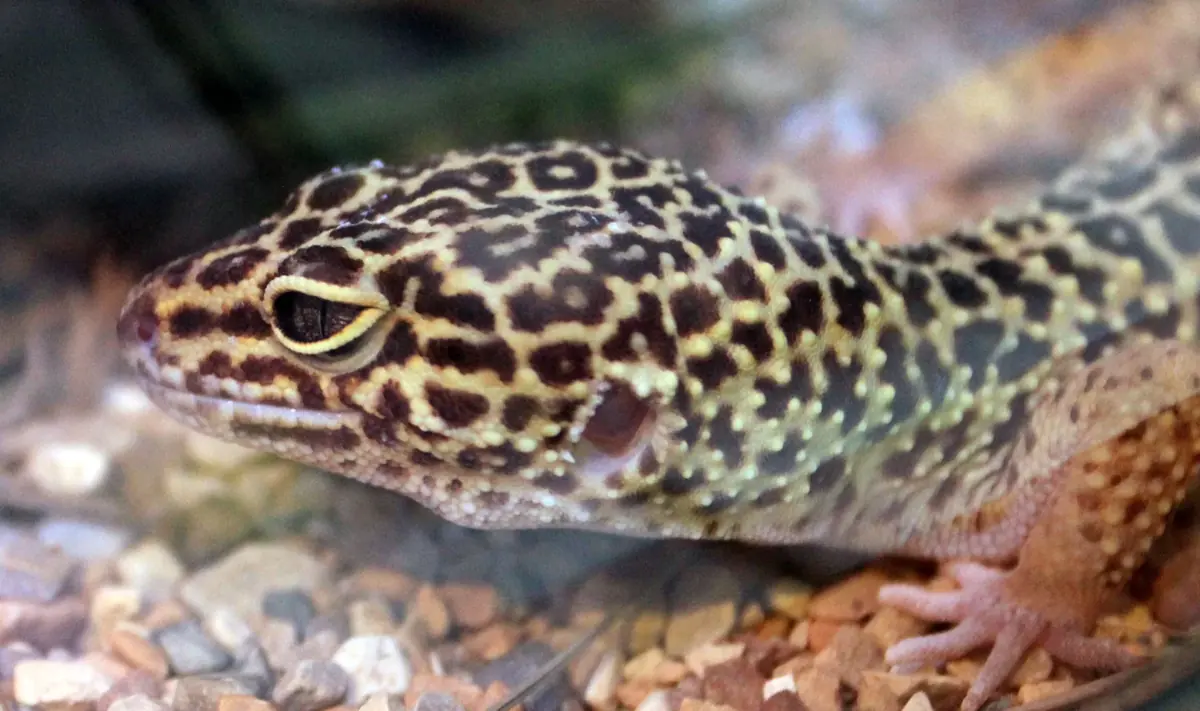
Leopard gecko
Eublepharis macularius
Leopard geckos live on the ground and need warm shelter, cool cover and a humid hide.
Species introduction · Getting started
About 20 years, sometimes longer
 Lizards
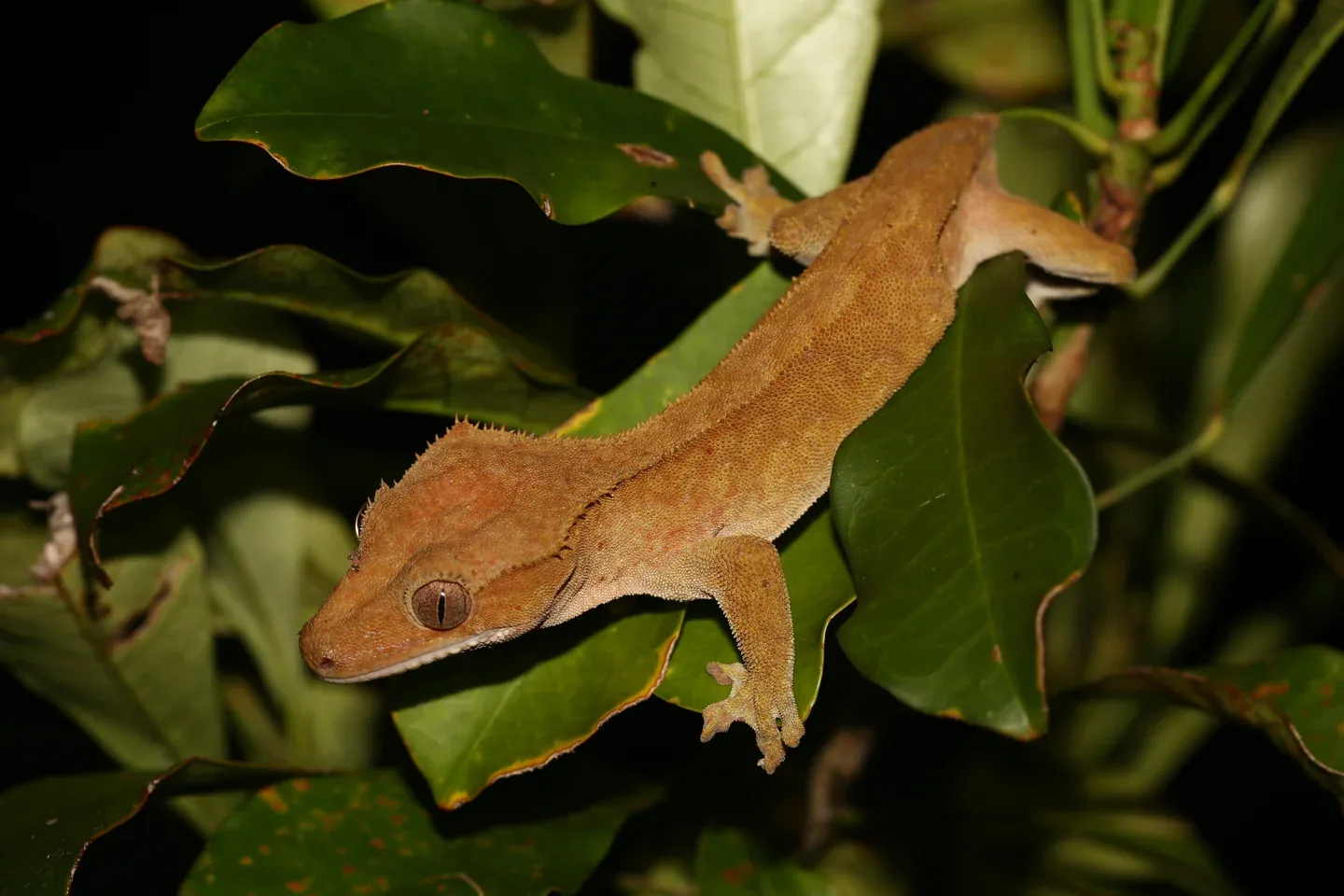
Crested gecko
Correlophus ciliatus
Crested geckos climb in the canopy and are suited to a planted enclosure with leafy cover, feeding ledges and a daily moisture cycle.
Species introduction · Some experience
Around 15–20 years
 Lizards
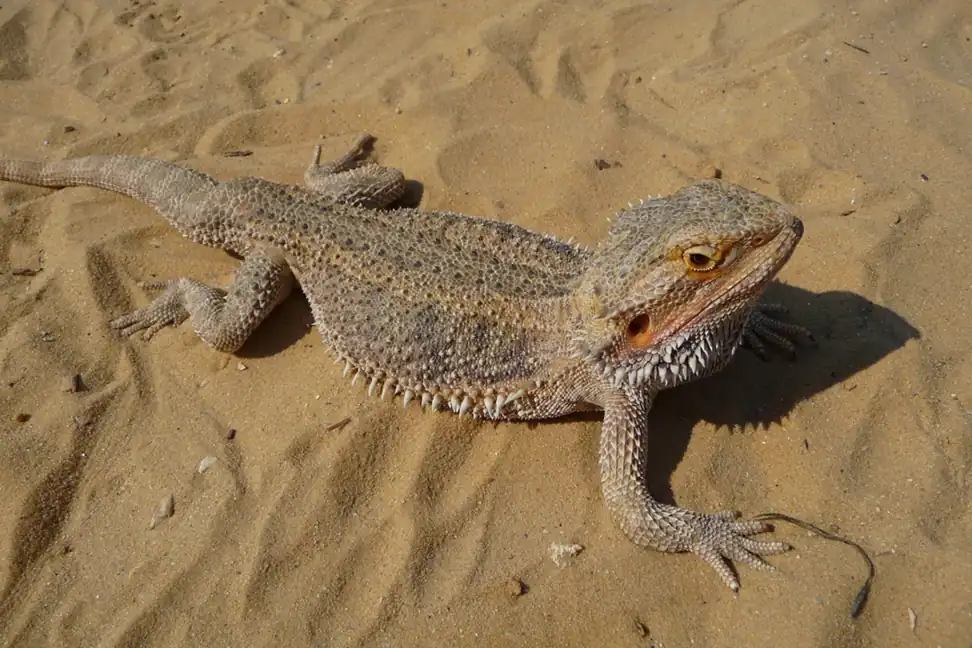
Bearded dragon
Pogona vitticeps
Bearded dragons are bright, active baskers that need generous space, strong lighting and an age-appropriate omnivorous diet.
Species introduction · Some experience
Around 10–15 years or longer
 Lizards
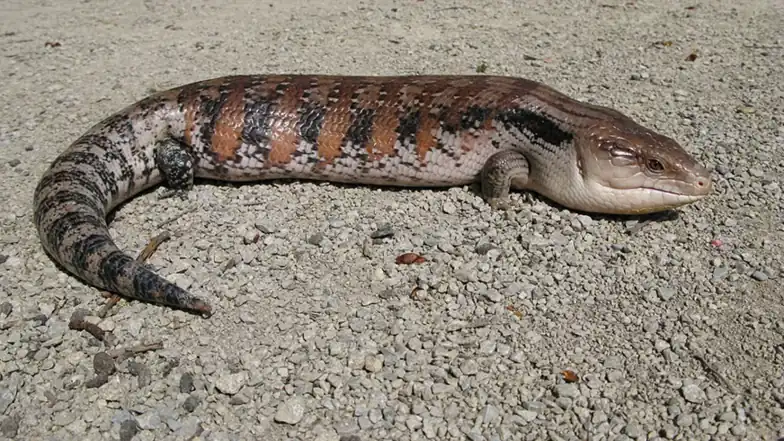
Blue-tongued skink
Tiliqua scincoides
Blue-tongued skinks are sturdy, inquisitive foragers, but you need to identify the subspecies before choosing heat and humidity settings.
Species introduction · Some experience
Around 15–20 years, with longer lives reported
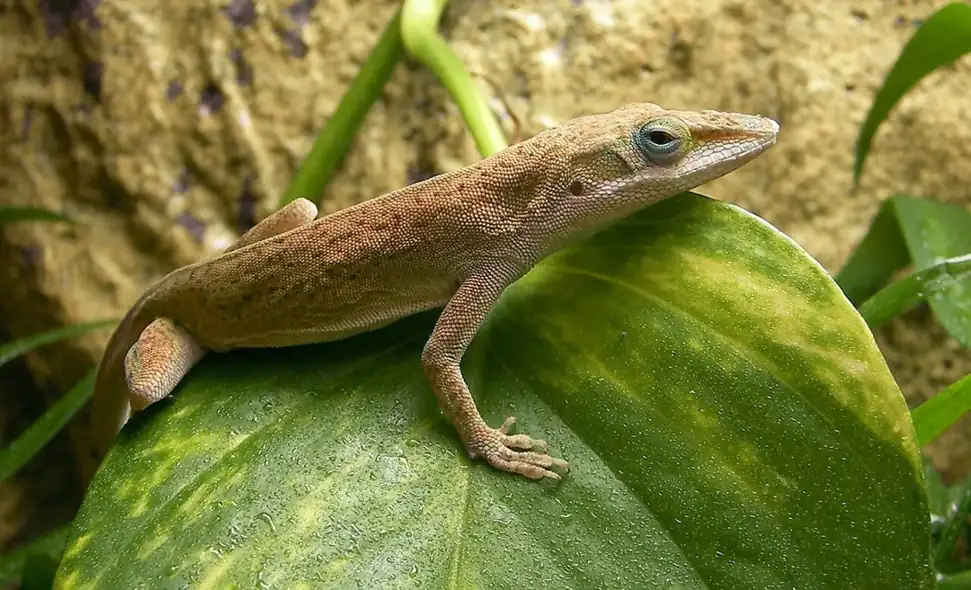 Lizards
Green anole
Anolis carolinensis
Green anoles are small, alert display lizards that thrive with fine branches, foliage and careful hydration.
Species introduction · Some experience
Around 4–8 years
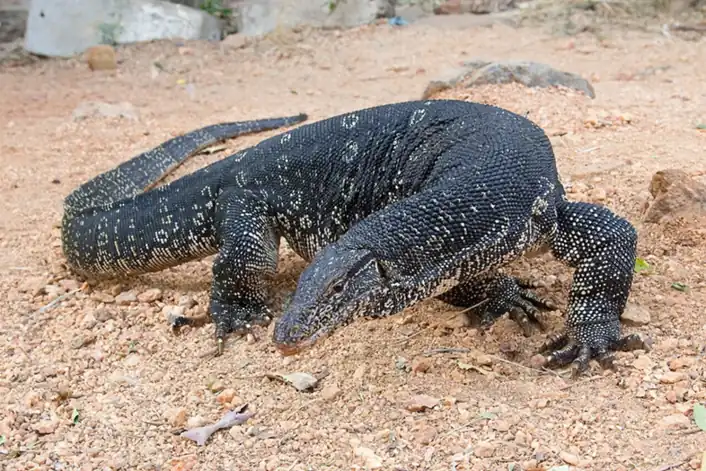 Lizards
Asian water monitor
Varanus salvator
Asian water monitors are giant, active lizards that require dedicated housing, a managed pool and substantial hands-on experience.
Species introduction · Experienced keeper
Plan for 15–20+ years; published estimates differ
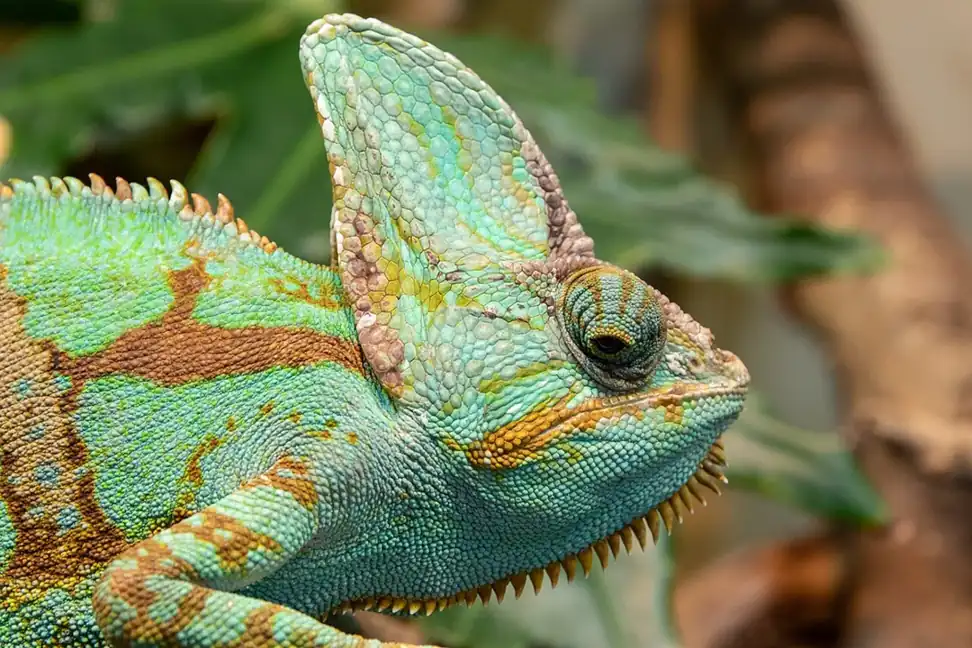 Lizards
Veiled chameleon
Chamaeleo calyptratus
Veiled chameleons are solitary canopy specialists that require measured UVB, carefully timed hydration and excellent drainage.
Species introduction · Experienced keeper
Often several years; 10+ has been reported in captivity
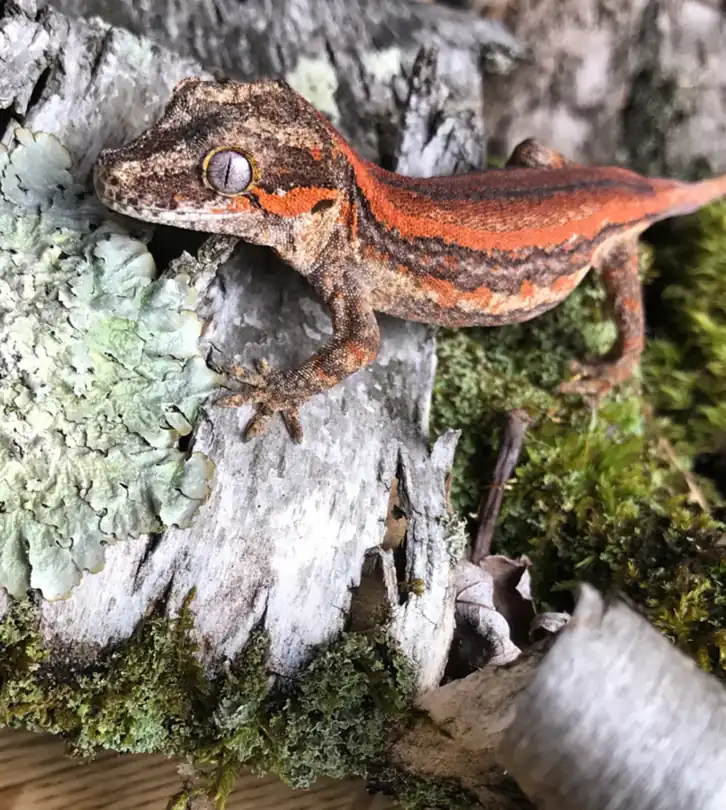 Lizards
Gargoyle gecko
Rhacodactylus auriculatus
Gargoyle geckos climb and need textured perches, substantial insect feeding and care that may continue for two decades.
Species introduction · Some experience
Plan for 20–25 years; the linked breeder reports individuals past twenty.
 Lizards
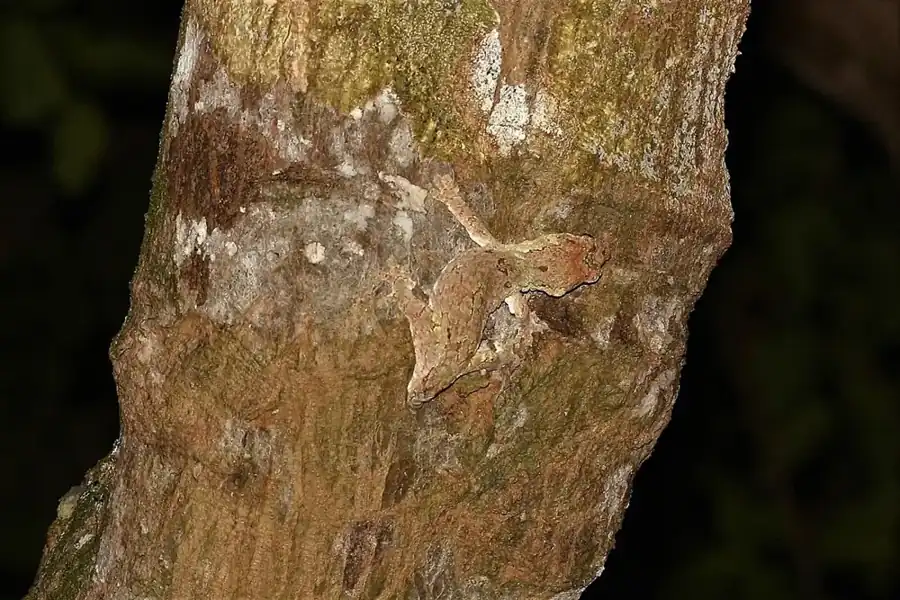
Chahoua gecko
Mniarogekko chahoua
Chahoua geckos are sturdy climbers that need regular live insects, secure resting cover and careful nutrition.
Species introduction · Some experience
Prepare for more than 20 years; use a 25-year planning horizon.
 Lizards
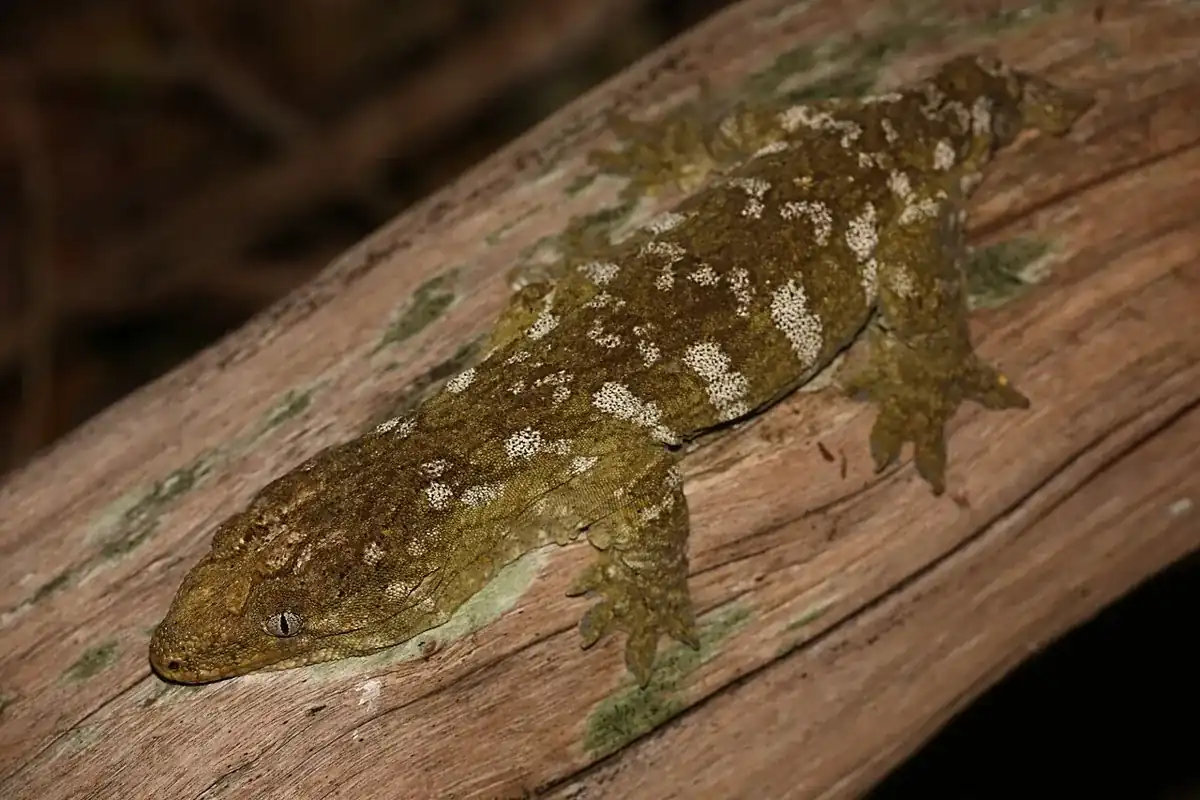
Leachianus gecko
Rhacodactylus leachianus
Leachianus geckos are heavy-bodied tree dwellers whose adult size, strong furnishings and long life need careful advance planning.
Species introduction · Some experience
Prepare for 20–30 years or longer.
 Lizards
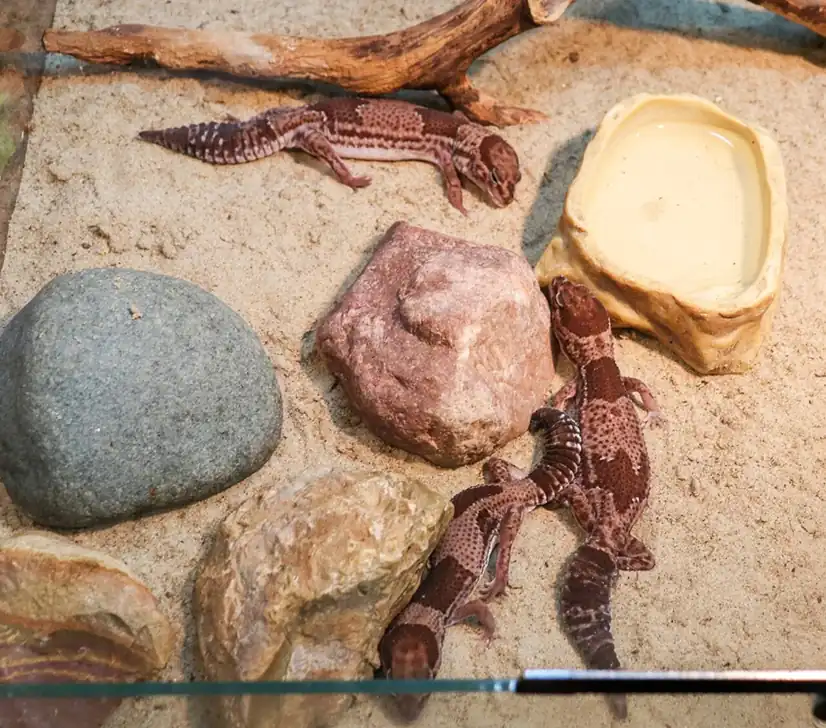
African fat-tailed gecko
Hemitheconyx caudicinctus
African fat-tailed geckos are terrestrial insect eaters that need humid refuges; they are a separate species from leopard geckos, not a colour variant.
Species introduction · Some experience
Expect a 15–20-year commitment; longer is possible.
 Lizards
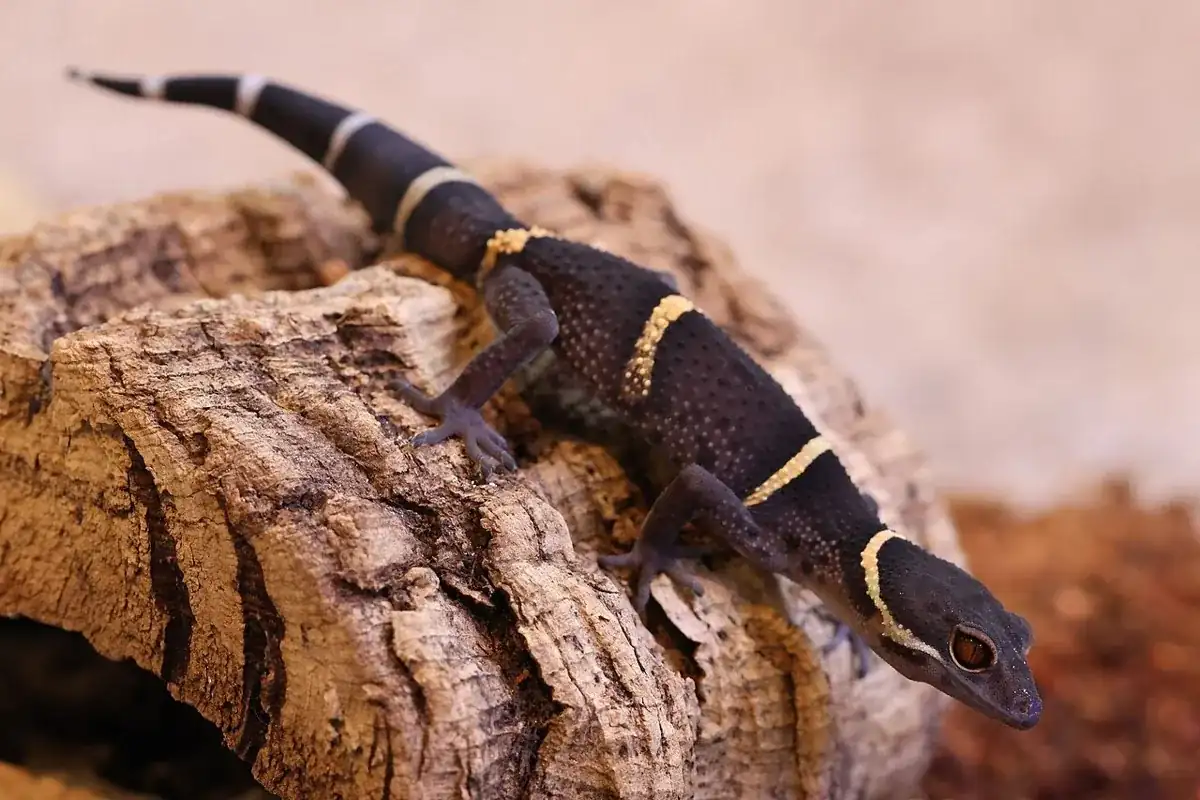
Chinese cave gecko (Hainan)
Goniurosaurus hainanensis
This guide covers G. hainanensis, a gecko from cooler habitats suited to careful observation; other cave geckos sold under the same label need their own care plans.
Species introduction · Some experience
Prepare for 10–15 years or longer.
 Lizards
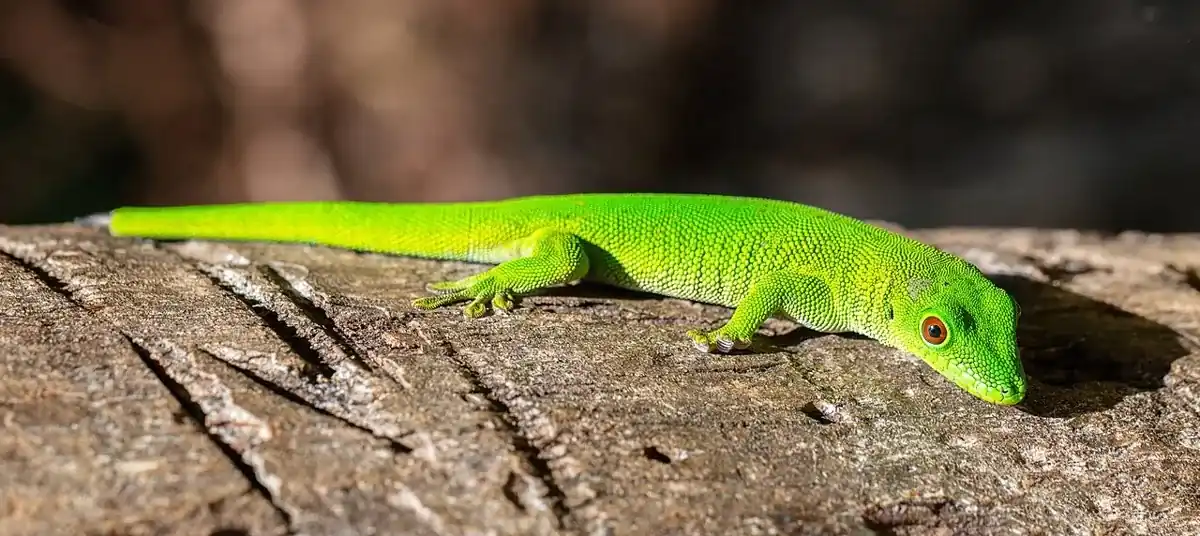
Giant day gecko
Phelsuma grandis
Giant day geckos are vividly colored daytime display animals that need tall, bright habitats and careful hands-off maintenance.
Species introduction · Some experience
Plan for 15–20 years.
 Lizards
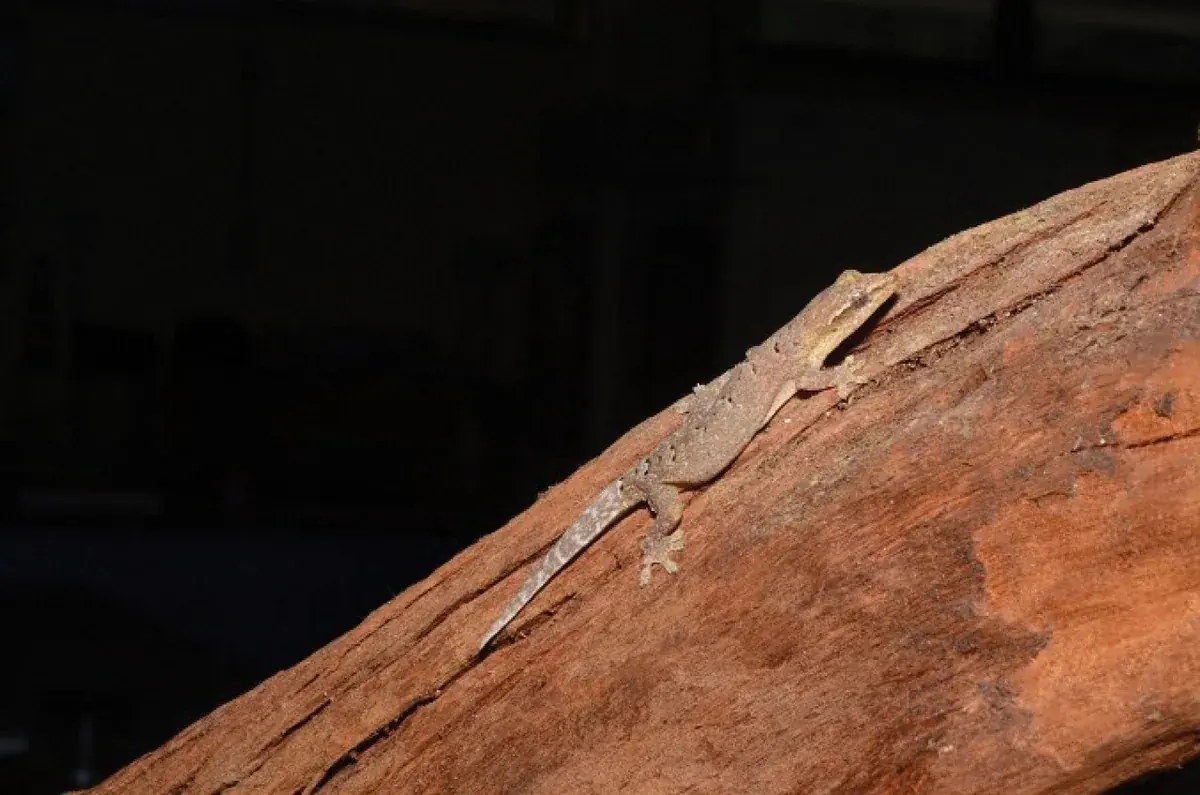
Mourning gecko
Lepidodactylus lugubris
Mourning geckos are tiny social display animals that need escape-proofing, miniature food and planning for inevitable reproduction.
Species introduction · Some experience
About 10 years, with reports of 15; plan for continuing offspring care
 Lizards
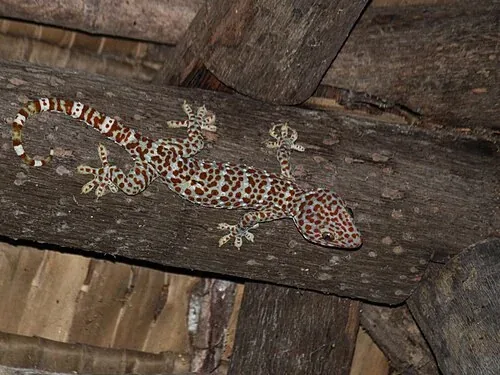
Tokay gecko
Gekko gecko
Tokay geckos are powerful, vocal nocturnal display animals that require secure tall housing and confident, low-stress maintenance.
Species introduction · Experienced keeper
Plan for 15–20 years; published lifespan estimates vary.
 Lizards
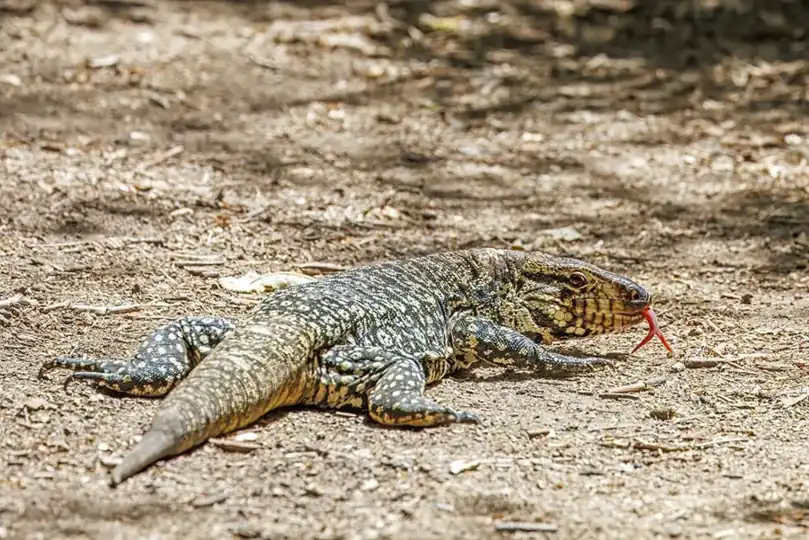
Argentine black-and-white tegu
Salvator merianae
Argentine black-and-white tegus are powerful, inquisitive omnivores, and housing an adult requires substantial building work.
Species introduction · Experienced keeper
Plan for 15–20 years, with the possibility of longer.
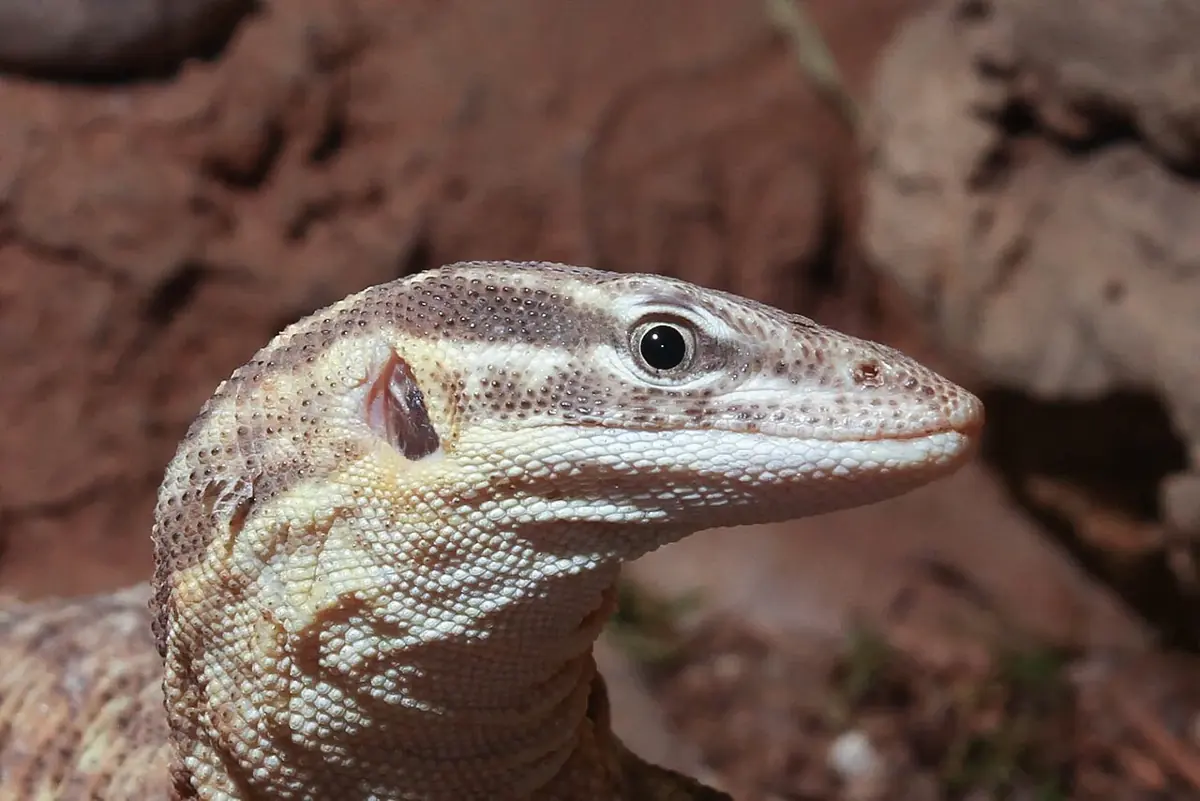 Lizards
Ackie monitor
Varanus acanthurus
Ackie monitors are active dwarf monitors that need deep digging space, secure rockwork and carefully measured heating.
Species introduction · Experienced keeper
At least 15 years is possible with good care.
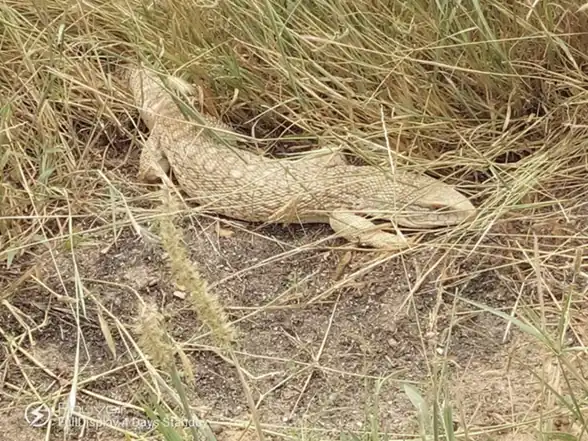 Lizards
Savannah monitor
Varanus exanthematicus
Savannah monitors are strong burrowing insect eaters that require specialist housing and careful feeding to prevent overfeeding.
Species introduction · Experienced keeper
A 10–15-year planning reference; individual outcomes vary.
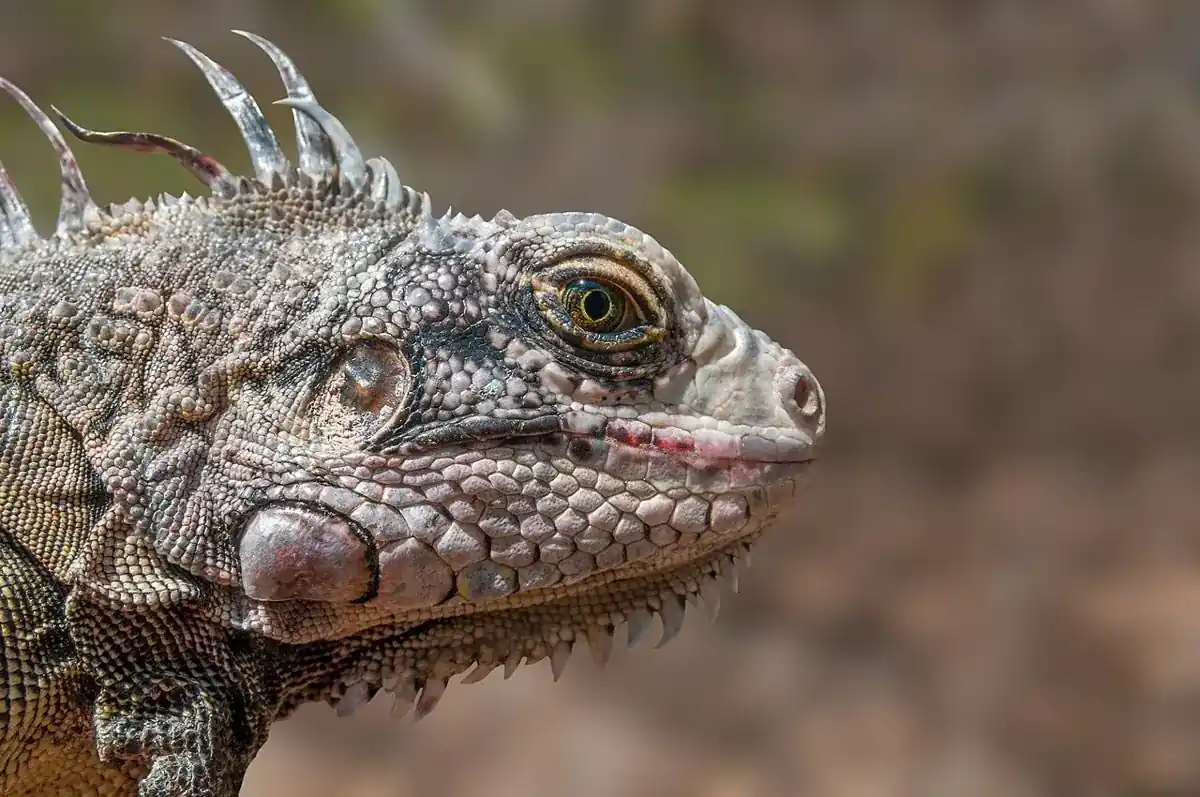 Lizards
Green iguana
Iguana iguana
Green iguanas are giant herbivores that need tall permanent homes, fresh food and experienced handling arrangements.
Species introduction · Experienced keeper
Plan for 15–20 years or longer.
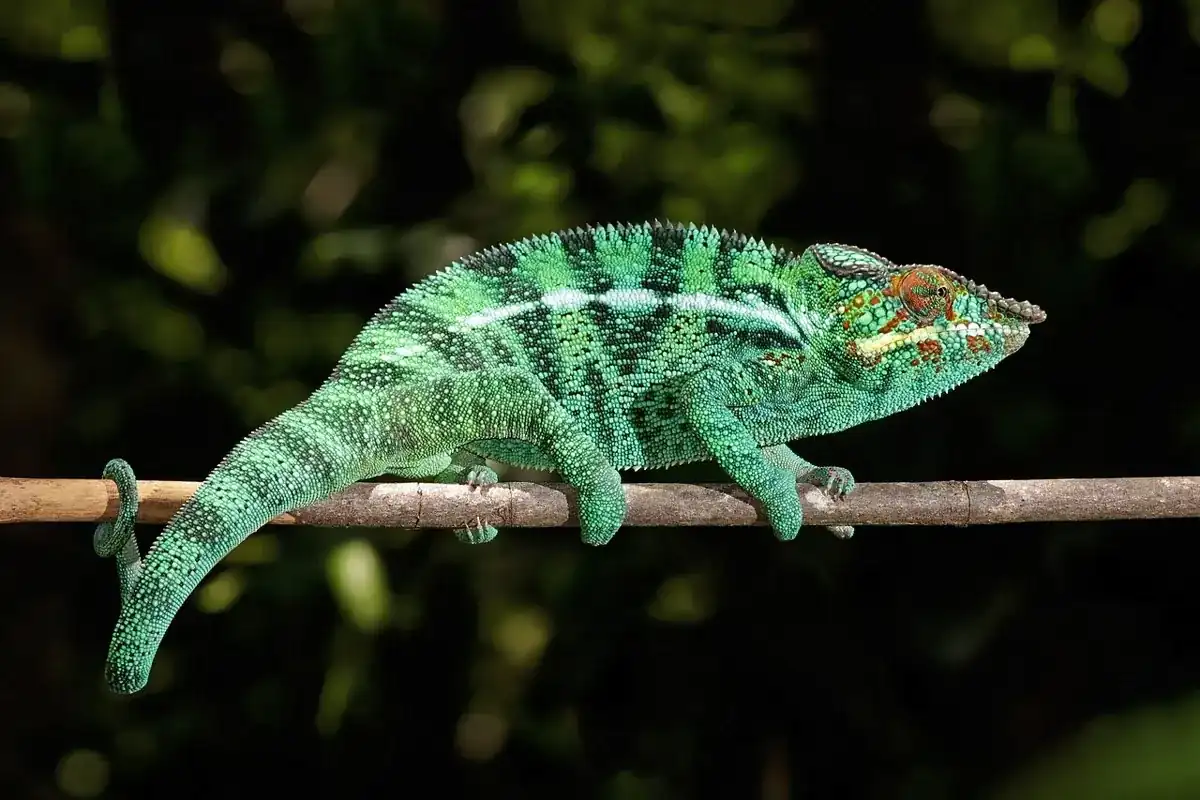 Lizards
Panther chameleon
Furcifer pardalis
Panther chameleons are solitary reptiles suited to observation by keepers who enjoy maintaining a planted climbing habitat and hydration system.
Species introduction · Experienced keeper
Several years of daily care; sex and reproductive history affect longevity.
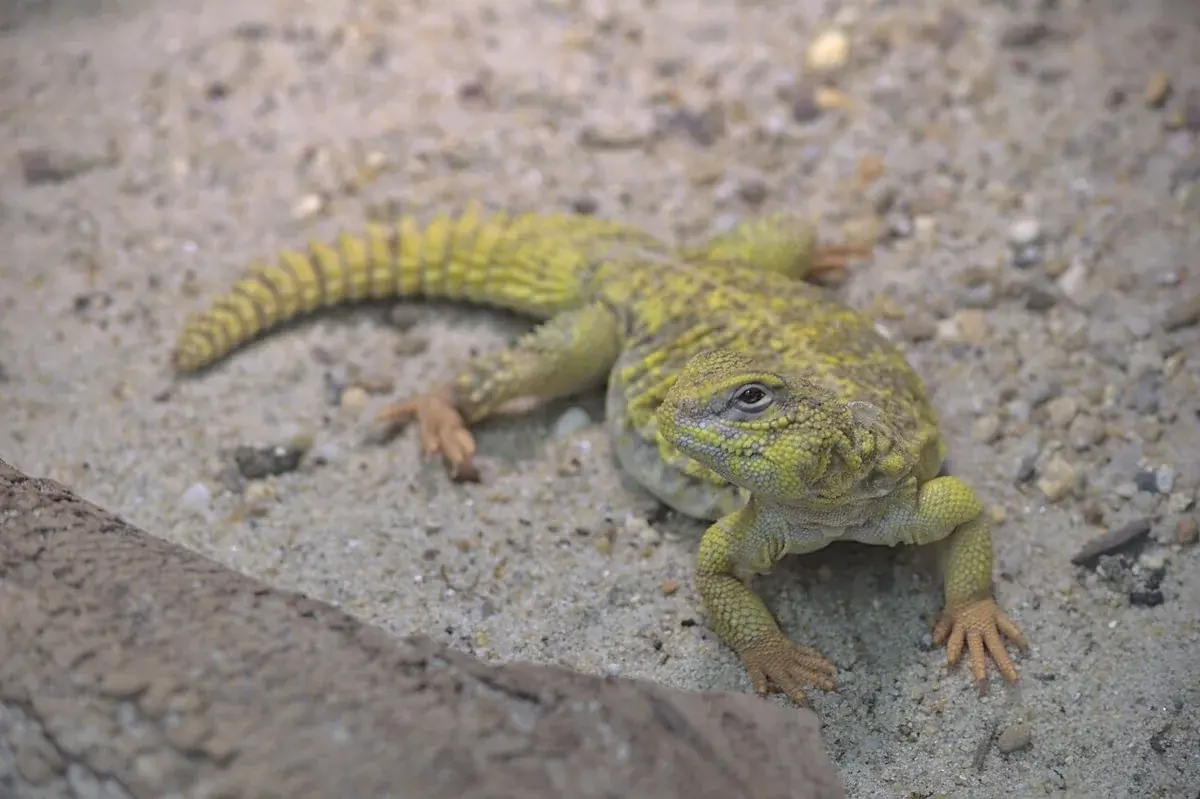 Lizards
Saharan uromastyx
Uromastyx geyri
Saharan uromastyx are plant-eating daytime lizards whose care depends on broad basking areas, bright light and secure retreats.
Species introduction · Some experience
Potentially decades; verified geyri-specific longevity limits remain uncertain.
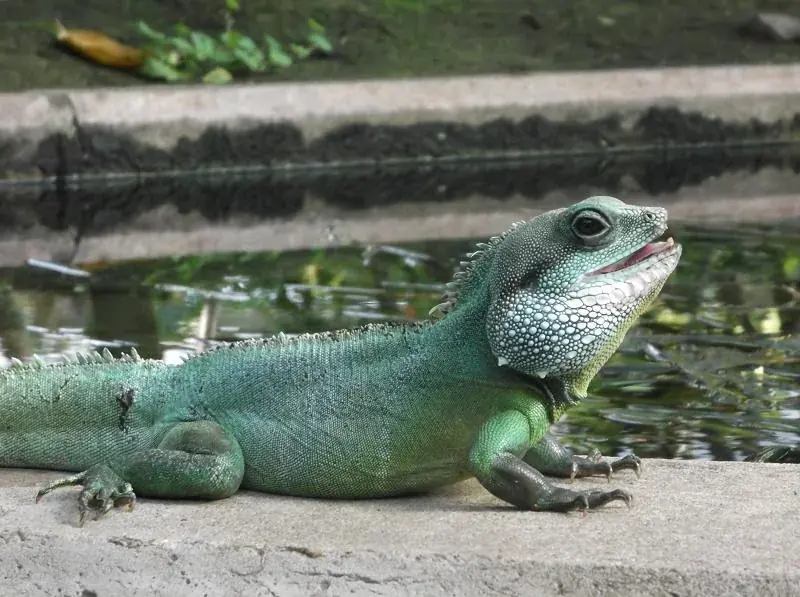 Lizards
Chinese water dragon
Physignathus cocincinus
Chinese water dragons climb and swim, so their tall, wet habitats need careful maintenance planning.
Species introduction · Experienced keeper
A 10–15-year planning reference with good care.
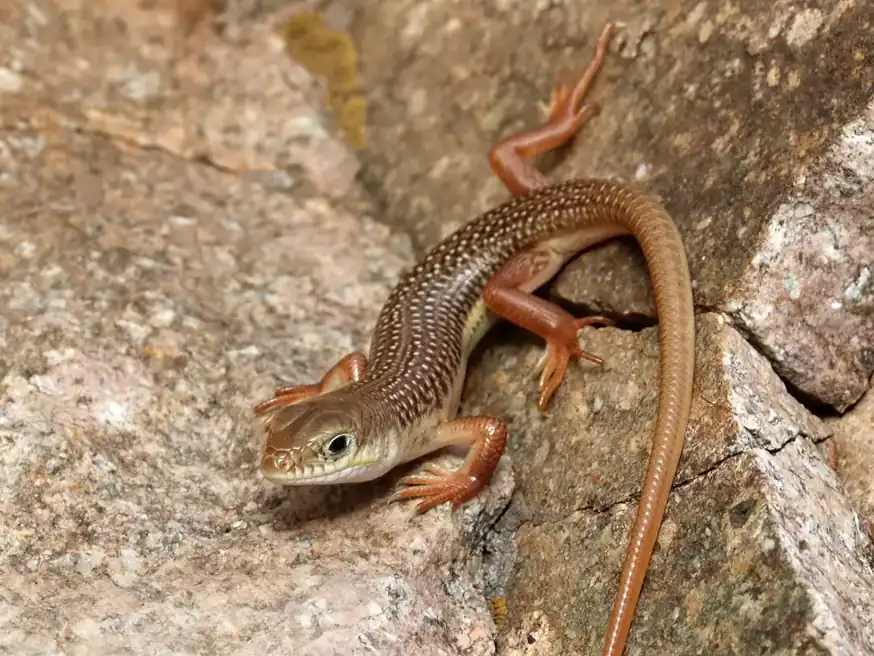 Lizards
Schneider’s skink
Eumeces schneiderii
Schneider’s skinks burrow and suit patient keepers who can maintain live feeders and a stable, varied ground habitat.
Species introduction · Some experience
Fifteen years or more is reported.
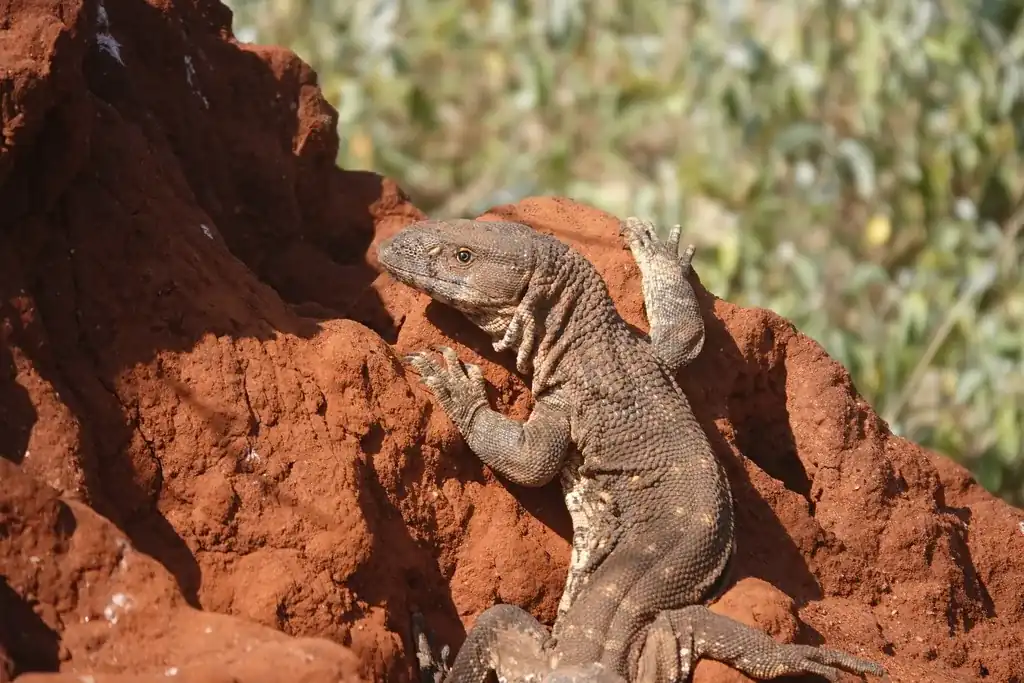 Lizards
Black-throated monitor
Varanus albigularis microstictus
Black-throated monitors are powerful V. albigularis forms whose adult housing, food management and safe maintenance need planning before acquisition.
Specialist introduction · Experienced keeper
Long-term specialist commitment; a reliable species-specific lifespan bound is not established by this introduction.
 Lizards
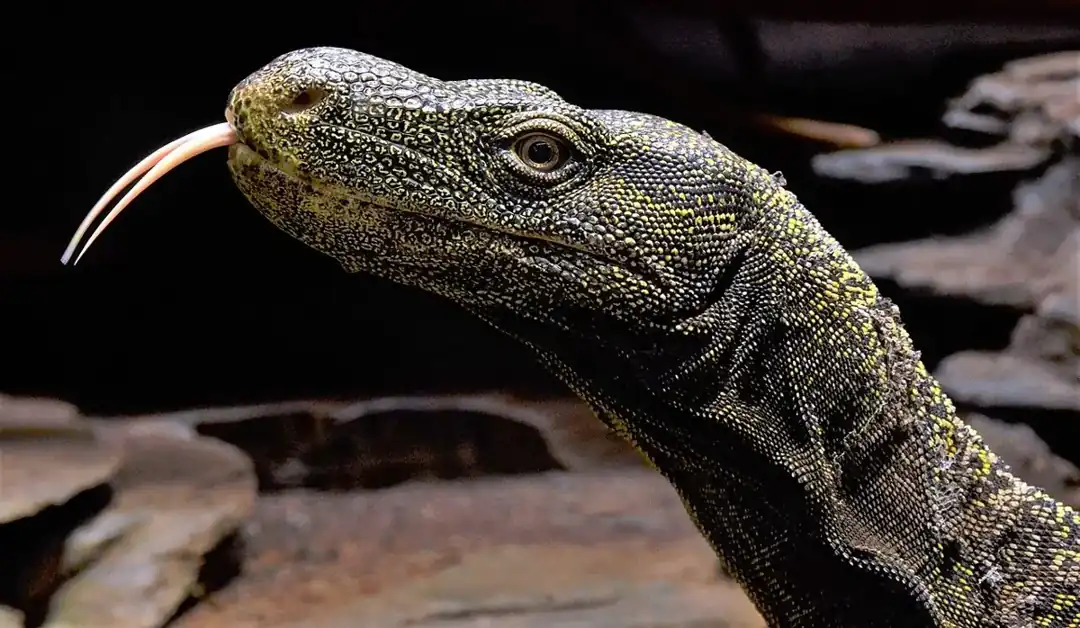
Crocodile monitor
Varanus salvadorii
Crocodile monitors are giant canopy hunters that require engineered climbing space, protected maintenance and a specialist team.
Specialist introduction · Experienced keeper
Long-term specialist commitment; a reliable species-specific lifespan bound is not established by this introduction.
 Lizards
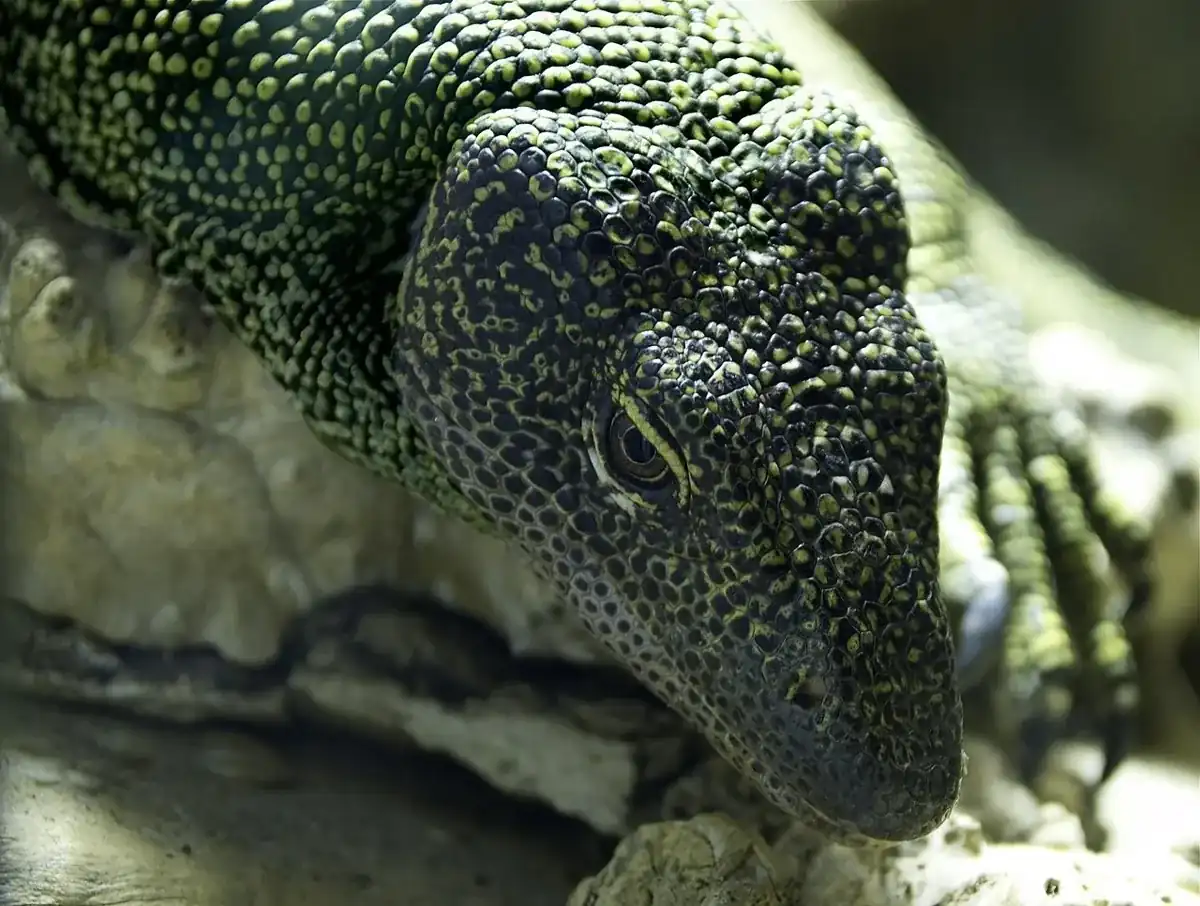
Mangrove monitor
Varanus indicus
Mangrove monitors are active swimmers and climbers whose trade name needs checking before a land-and-water habitat is designed.
Specialist introduction · Experienced keeper
Long-term specialist commitment; a reliable species-specific lifespan bound is not established by this introduction.
 Lizards
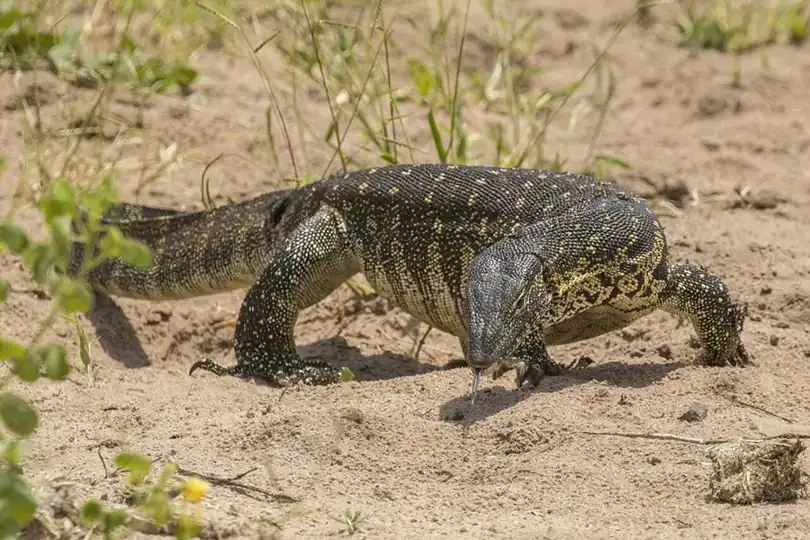
Nile monitor
Varanus niloticus
Nile monitors are fast-growing, powerful foragers whose adult room, water system and maintenance access must be ready early.
Specialist introduction · Experienced keeper
Long-term specialist commitment; a reliable species-specific lifespan bound is not established by this introduction.
 Lizards
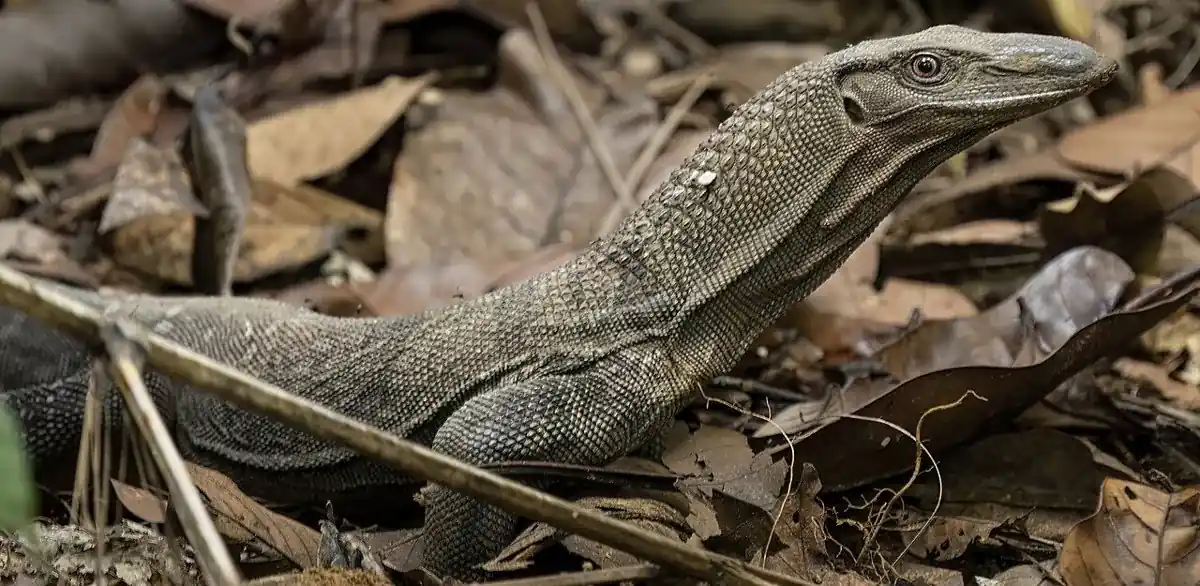
Black roughneck monitor
Varanus rudicollis
Identify V. rudicollis before using this introduction; brown roughnecks require a different species plan.
Species introduction · Experienced keeper
Long-term specialist commitment; a reliable species-specific lifespan bound is not established by this introduction.
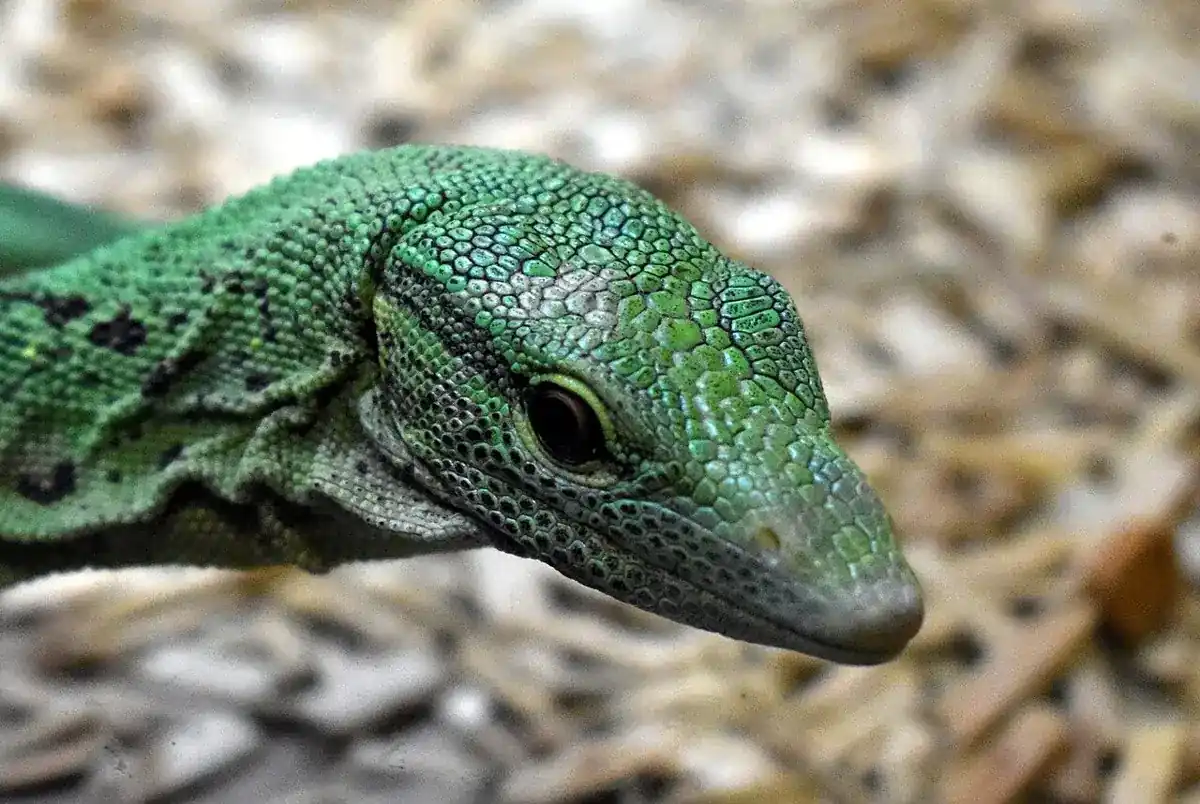 Lizards
Tree monitors
Varanus prasinus complex
This introduction covers shared planning for distinct tree-monitor species, each of which needs an individual care plan before acquisition.
Group introduction · Experienced keeper
Long-term specialist commitment; a reliable species-specific lifespan bound is not established by this introduction.
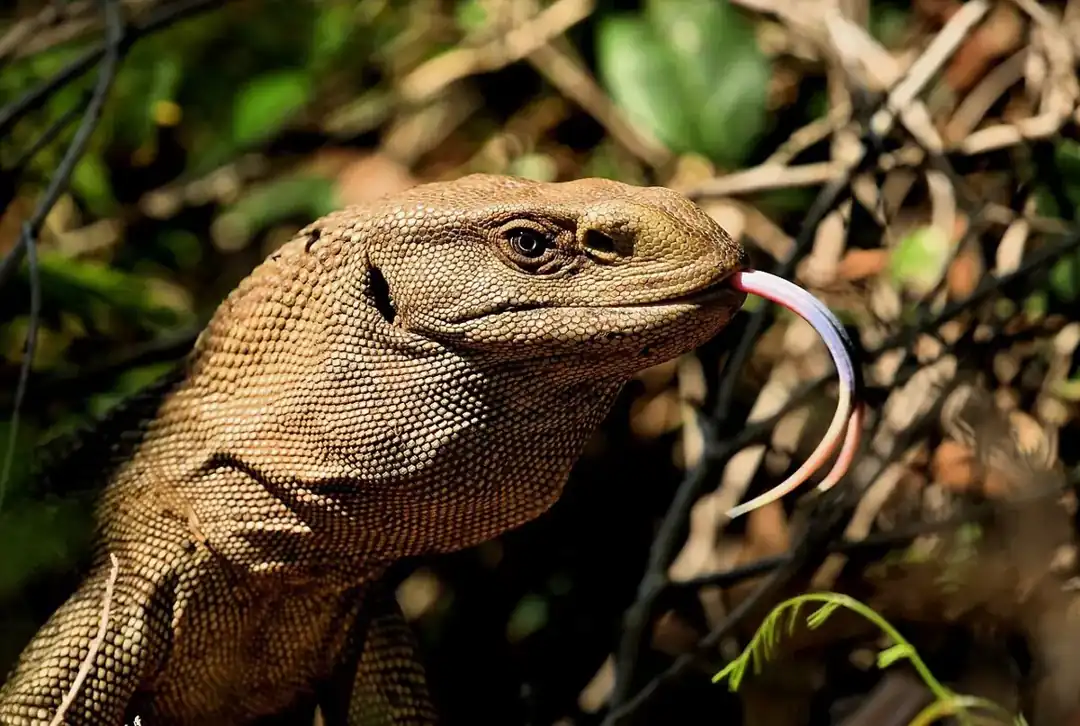 Lizards
White-throated monitor
Varanus albigularis albigularis
White-throated monitors are active, heavy-bodied foragers that need room-scale housing, diggable refuges and a planned feeding routine.
Specialist introduction · Experienced keeper
Long-term specialist commitment; a reliable species-specific lifespan bound is not established by this introduction.
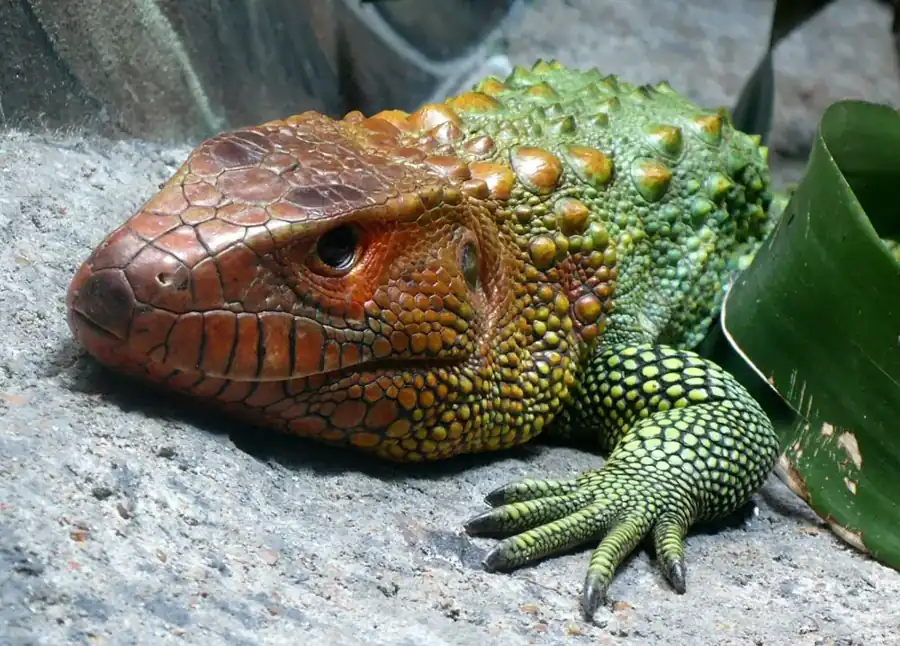 Lizards
Caiman lizard
Dracaena guianensis
Caiman lizards are powerful climbers and swimmers whose pool, land area and specialist food supply must work together.
Species introduction · Experienced keeper
More than 10 years reported; this is not an upper limit
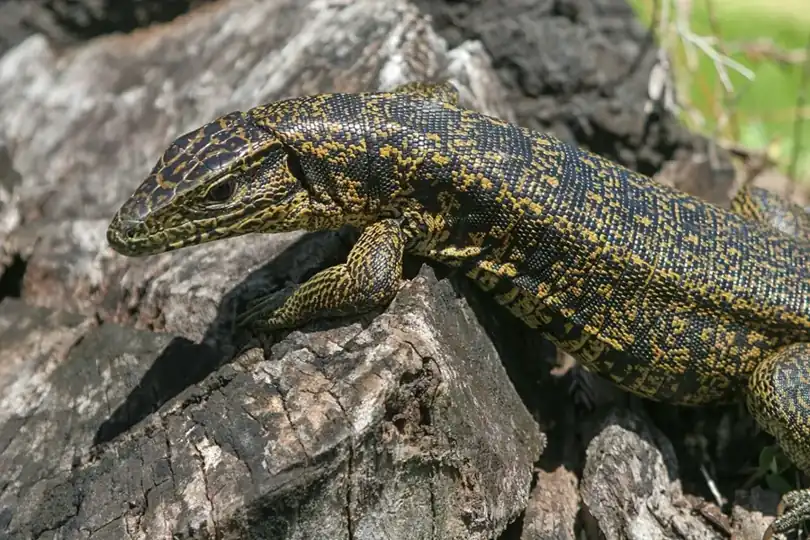 Lizards
Colombian tegu
Tupinambis teguixin
This introduction covers the energetic golden tegu, whose keepers need to provide substantial digging space and patient, protected maintenance.
Species introduction · Experienced keeper
15 years or more in the breeder account
 Lizards
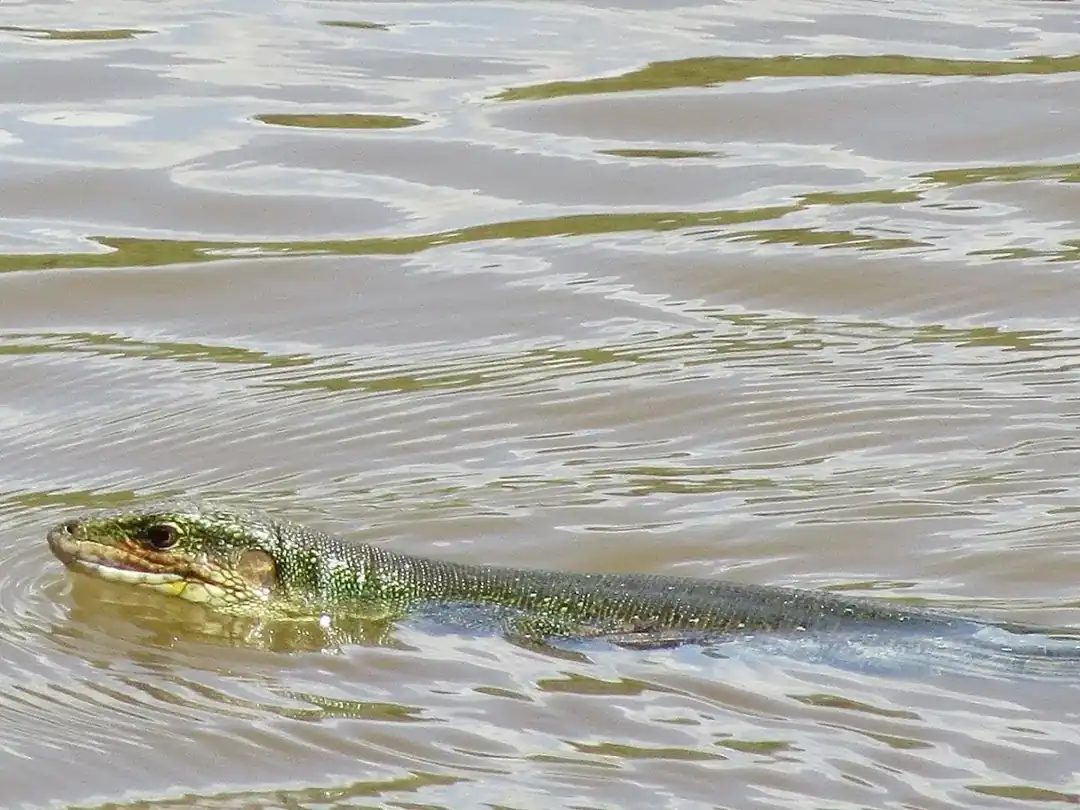
Crocodile tegu
Crocodilurus amazonicus
This specialist introduction covers an aquatic Amazonian teiid for which publicly verified captive-care guidance remains limited.
Specialist introduction · Experienced keeper
No supported captive lifespan range established from the reviewed sources
 Lizards
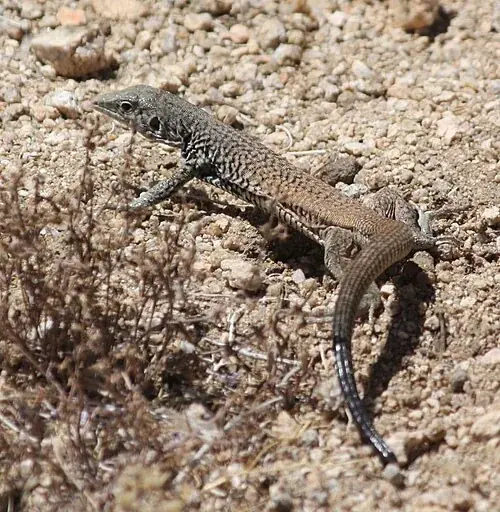
Western whiptail
Aspidoscelis tigris
This introduction covers the fast, active western whiptail; the wider whiptail trade category contains different species.
Specialist introduction · Experienced keeper
No supported captive lifespan range established from the reviewed sources
 Lizards
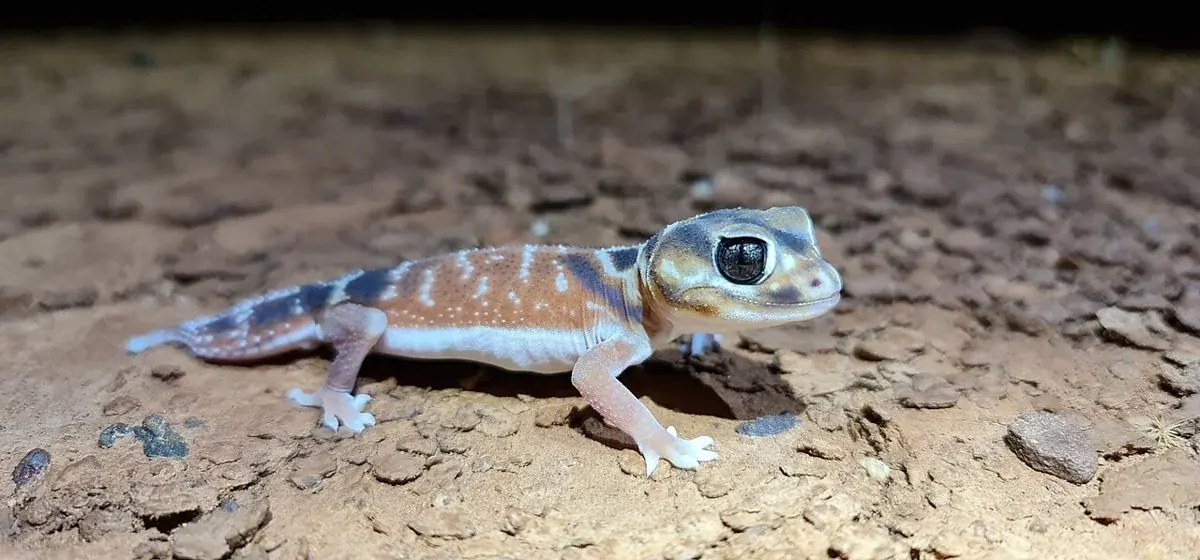
Knob-tailed geckos
Nephrurus spp.
This introduction covers a varied Australian gecko group, so identify the exact species before choosing moisture, substrate or equipment.
Group introduction · Some experience
More than 10 years is reported; exact species longevity needs assessment.
Check the guide before planning a setup.
Open the matching introduction to check its scope, follow its sources and start the animal’s setup checklist. Specialist entries explain what still needs individual assessment.