Independent species review: pending. Source-check date: 2026-09-05.
Report a care correction · Offer a species reviewArticle changes
- 2026-09-05 · Added visible editorial status and correction reporting.
- 2026-09-05 · Added lifetime planning, cost drivers, lighting measurement and arrival considerations.
At a glance
- Adult enclosure starting point
- 180 × 60 × 60 cm (6 × 2 × 2 ft), with at least 1.1 m² (12 ft²) of usable floor area. ↗
- Basking surface target
- 40–46°C (105–115°F) for Tiliqua scincoides. ↗
- Cool-area air
- 21–29°C (70–85°F) for Australian forms. ↗
- Humidity (Northern/Eastern)
- 40–60%; Tanimbar scincoides require a different, more humid plan. ↗
- Diet
- Varied animal and plant foods; adults need more plant matter than juveniles. ↗
Enclosure dimensions are adult planning references in length × width × height unless stated otherwise. Larger individuals need larger housing, and usable furnishing space matters. Check the linked source and the full guide for age, subspecies and measurement details.
Use this guide as a starting point alongside the detailed sources below. Health concerns, unexplained changes in behavior, or feeding problems belong with a reptile veterinarian.
Meet the species
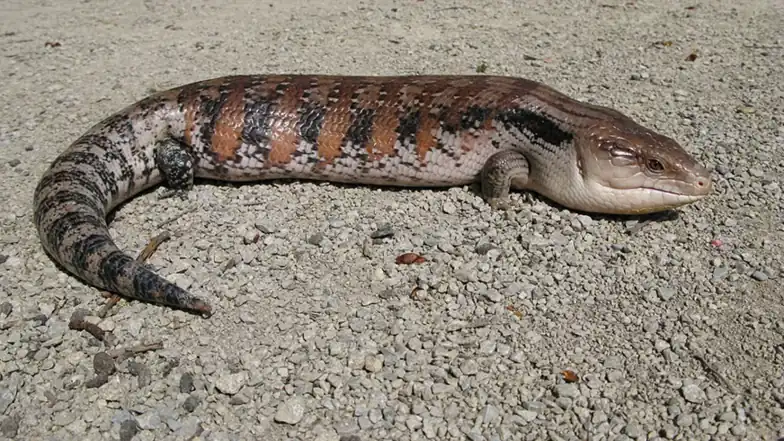
This guide focuses on Northern and Eastern Australian Tiliqua scincoides. “Blue-tongued skink” covers several species and localities with different needs. Indonesian Tiliqua gigas and the Tanimbar form should not automatically receive this humidity plan. Confirm the animal’s identity and origin with a knowledgeable breeder or rescue.
Housing
Give a single skink a spacious terrestrial enclosure with deep, suitable digging substrate and secure hides at both ends. Use low, robust climbing pieces and anchor heavy décor. Fit a shallow stable water bowl that is easy to enter and leave.
Heat and light
ReptiFiles lists a basking surface of 40–46°C (105–115°F) for T. scincoides and a cooler zone for Australian forms. Measure surface temperature separately from air, and make sure the animal can retreat from the heat. Use thermostatic control, correctly installed UVB and bright daytime lighting with a dark night period.
Humidity
For Northern and Eastern forms, ReptiFiles gives 40–60% humidity. A humid hide adds choice without soaking the entire enclosure. Check with a digital hygrometer and adjust ventilation and substrate moisture gradually. Tanimbar animals are listed with higher humidity requirements in the same source.
Food and routine
Feed a varied mix of suitable insects and plant foods, adjusted for life stage. Adults need less frequent meals than growing juveniles. Chop vegetables appropriately, supplement insects as directed and keep fruit occasional. Replace water daily, remove food promptly and monitor body condition.
Avoid
Avoid treating all blue-tongues alike, relying on one food, overfeeding adults or using high climbing structures with hard landing surfaces. Support the whole body during handling and give a retreating skink space.
From newborn to adult
Blue-tongues give birth to live young, so a baby is a newborn rather than a hatchling. Small youngsters need narrow hide entrances, easy access to food and water, and secure cover across the enclosure. An established juvenile can use adult accommodation when those needs are met; a bare, oversized box is a poor substitute for a furnished habitat.
Plan around the adult now. This guide uses approximately 180 × 60 × 60 cm as its starting reference, with more floor area for larger animals. Check usable space after adding hides and the water bowl. Deep substrate must leave sufficient clearance below lamps, and the skink should be able to travel between retreats without scrambling over obstacles.
Feeding through the life stages
As an age-based starting schedule, RSPCA Australia describes daily feeding up to three months, three meals weekly at three to eight months, and one or two weekly thereafter. Treat these as starting intervals for healthy Australian forms, adjusted to actual growth, activity and veterinary advice. A hungry-looking adult does not automatically need a larger meal.
Keep a dated food record alongside occasional weights taken under similar conditions. Note the type and approximate quantity offered, leftovers and supplements. Growing youngsters use more animal food; mature skinks need a greater plant contribution. Rotate ingredients rather than relying on one convenient mix. Offer meals after daytime warm-up and remove perishable remains.
Shedding, handling and useful activity
Shed normally comes away in patches. Observe toes and the tail tip without pulling loose skin; persistent constricting material or damaged skin needs veterinary assessment. Check that the humid hide remains accessible and clean. Once the skink is settled and eating, invite brief contact at ground level, support its body and feet, and stop when it withdraws.
Burrowing, investigating cork tunnels and following a changed foraging route are useful activities. Move one lightweight item at a time, keeping familiar sleeping places available. Place heavy rocks directly on a stable base so digging cannot undermine them.
Three setup problems to investigate
No comfortable cool retreat: record cool-end air and basking-surface readings after the lights have run, then again during the warmest part of the room’s day. Check probe position, lamp spread and thermostat operation before changing settings.
Persistently dusty substrate or a soggy enclosure: confirm the subspecies first, then compare humidity at the cool end with conditions inside the refuge. Adjust local moisture and ventilation separately, recording what changed instead of soaking everything at once.
Food repeatedly untouched: log the last accepted meal, recent shed, measured temperatures and body-weight trend. Check food freshness and whether a new hide or bowl blocks access. Repeated refusal, weight loss or unusual behavior warrants a reptile-vet conversation; do not force-feed.
Lifetime commitment and costs
The veterinary reference gives 15–20 years across captive blue-tongued skinks and notes individuals living longer. Exact species/subspecies identification is still necessary.
Allow for a large floor enclosure, deep usable substrate, sturdy hides and replacement furnishings that tolerate a powerful burrowing lizard.
Varied plant and animal foods, heating, UVB maintenance and humidity management are recurring commitments.
References: Long Island Bird & Exotics Veterinary Clinic — blue-tongued skink care
Measure the lighting installation
Confirm the subspecies before using a lighting or humidity plan. Measure at back height on the basking surface and provide shaded exits. RSPCA gives a UVI gradient for blue-tongues, but generic bulb percentages and enclosure heights cannot confirm your installation.
References: RSPCA — blue-tongued skink care · Long Island Bird & Exotics Veterinary Clinic — blue-tongued skink care
Arrival and quarantine planning
Save the scientific name, locality and origin claim; do not assume a Northern/Eastern skink care plan applies to an Indonesian skink.
Prepare a separate species-appropriate arrival enclosure and dedicated equipment. Agree observation, screening and release criteria with a reptile veterinarian. Keep the animal’s identity, origin, baseline condition and care history together.
References: The Unusual Pet Vets — reptile quarantine · VCA Animal Hospitals — the new reptile visit
Sources & further reading
Read the full recommendations and check details for your animal, equipment, and local conditions.
- ReptiFiles — species and subspecies
- ReptiFiles — heat, UVB and humidity
- ReptiFiles — food and feeding
- Adult enclosure starting point — supporting care reference
- RSPCA Australia — Eastern blue-tongue care and age-based feeding
- Long Island Birds & Exotic Veterinary Clinic — blue-tongued skink care
- RSPCA — blue-tongued skink care
- The Unusual Pet Vets — reptile quarantine
- VCA Animal Hospitals — the new reptile visit
Compiled September 2026. Original summaries; not individually reviewed by a veterinarian.