Independent species review: pending. Source-check date: 2026-09-05.
Report a care correction · Offer a species reviewArticle changes
- 2026-09-05 · Added species-specific planning, measurement, feeding, commitment and equipment guidance. Source disagreements remain visible.
- 2026-09-05 · Added three practical care sections with linked sources; individual-assessment and independent-review status remain unchanged.
At a glance
- Adult reference
- Approximately 90 × 45 × 45 cm for one animal. ↗
- Warm-season warm hide
- 32–34°C; use the full seasonal plan. ↗
- Staple food
- Varied live insects, sized for the individual. ↗
Dimensions are adult planning references in length × depth × height. Sources differ and these summaries have not received independent species review. Read the measurement context and provide more usable space where possible.
Use this guide as a starting point alongside the detailed sources below. Health concerns, unexplained changes in behavior, or feeding problems belong with a reptile veterinarian.
Meet the species
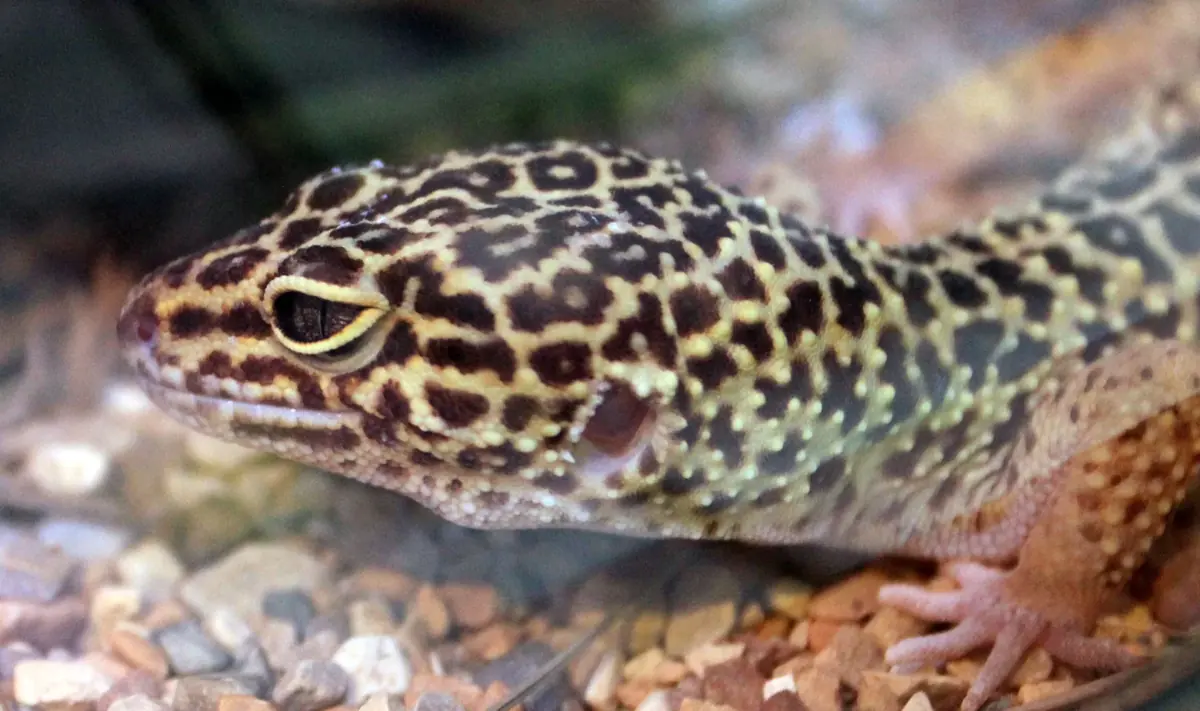
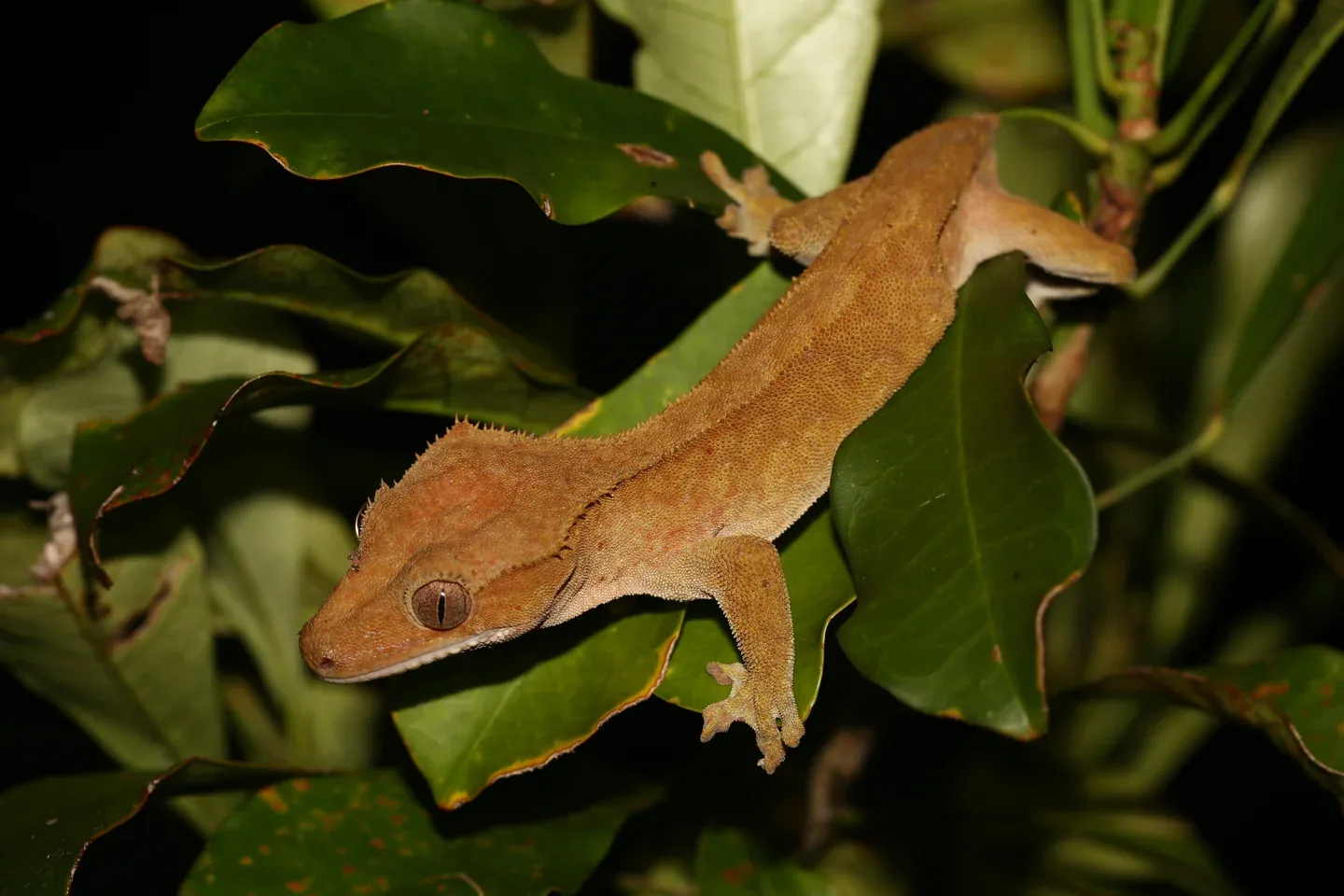
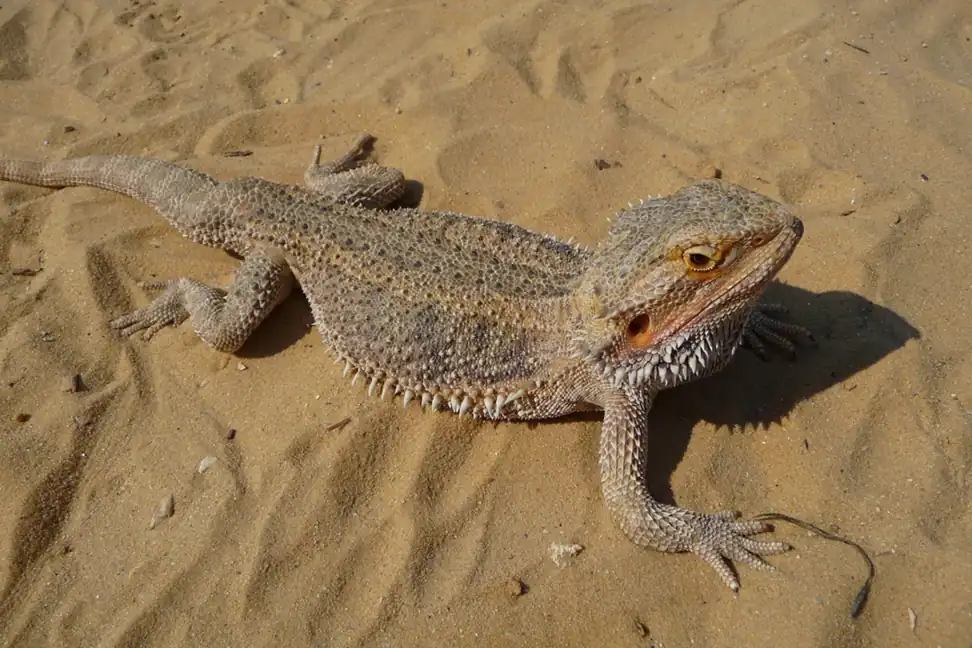
Hemitheconyx caudicinctus is a West African gecko with eyelids and no adhesive toe pads. It is a separate species from the leopard gecko. Activity is mainly around dusk and after dark, so daytime hiding is expected. Published keeper references give 15–20 years or longer. The insect supply and habitat must stay dependable long after the initial purchase.
Floor space and secure cover
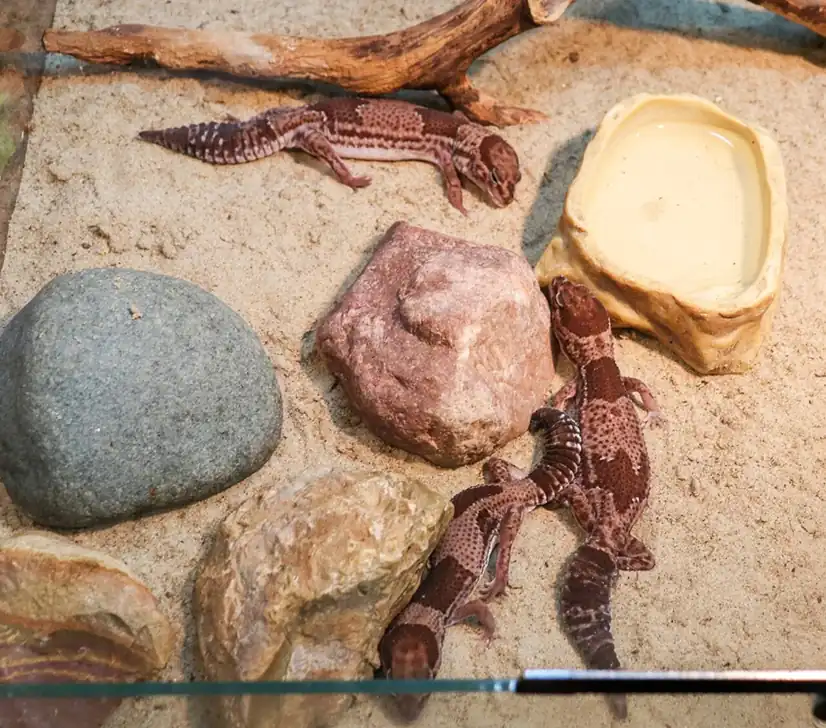
Use the ReptiFiles adult reference of roughly 90 × 45 × 45 cm, preferably larger, for one gecko. Provide warm and cool shelters, a humid refuge and low, stable routes over cork or rocks. Support heavy furnishings so digging cannot undermine them. HappyDragons recommends simple absorbent flooring during quarantine because droppings and soiling are easier to see; establish health before moving to a naturalistic substrate.
Choose one measured seasonal plan
ReptiFiles’ warm-season plan uses 32–34°C inside the warm hide, a 22–25°C cool side and 70–80% daytime humidity, rising at night. Juveniles under six months remain on that plan. Its adult cool-season plan is substantially different; HappyDragons presents a steadier alternative. Do not average these into one thermostat number. Keep your chosen complete reference with the readings and obtain experienced clinical advice before deliberate seasonal cooling.
Practical lighting and feeding
Measure the hide interior with a probe, surfaces with an infrared thermometer and the humid refuge with a hygrometer. Provide low-intensity daytime UVB and complete shade; verify exposure at the animal’s back, especially for reduced-pigment animals. Dark nights remain part of the routine. Tree of Life’s veterinary guide recommends varied appropriately sized live insects, daily for juveniles and three to four weekly offerings for adults. Treat that adult frequency as a starting schedule to review against condition, not a demand to keep an already heavy animal eating.
Care records and ongoing costs
Record insect type, appetite, weight and the last complete shed; these observations help distinguish normal hiding from a developing problem. Price insect upkeep, supplements, heating controls, lamp replacements and veterinary care. Arrange dedicated quarantine tools and a health assessment for a new arrival. Once settled, support the gecko during brief calm handling and never restrain its tail. Repeated stuck shed or declining weight needs a husbandry review and veterinary assessment rather than forceful peeling or larger meals.
Prepare the insects before preparing the meal
Tree of Life’s veterinary guide recommends gut-loading insects before feeding and gives separate calcium and multivitamin instructions. That preparation belongs alongside choosing an appropriately sized insect; buying live feeders alone does not complete the feeding plan.
Set aside a labelled feeder container and retain the supplement labels. Record feeder preparation with the meal entry, including the product used. This gives a replacement keeper a repeatable routine and lets your vet assess the whole menu when appetite or body condition changes.
References: Tree of Life Exotic Pet Medical Center — African Fat-Tailed Gecko Care
Make the shelter choices equally usable
The ReptiFiles-authored HappyDragons guide recommends dark, enclosed, snug hides and additional visual cover. Shelter design therefore matters alongside the temperature assigned to each end of the enclosure.
When reviewing where your gecko rests, compare entrance size, cover and disturbance as well as readings. Sketch the routes between shelters and the feeding area. Add nearby cover if a route is exposed, then observe before making another change.
References: HappyDragons — African Fat-Tailed Gecko Care Page, prepared by ReptiFiles
Keep a cleaning routine in a planted enclosure
HappyDragons still calls for dish hygiene and removal of soiling in bioactive housing. Its ordinary-substrate routine also removes contaminated bedding together with visible waste.
Keep spare dishes and a small scoop ready so these jobs fit into the normal evening round. Mark the places that collect waste beneath furnishings. When choosing decorations, check that you can reach those spaces without repeatedly dismantling the gecko’s principal shelters.
References: HappyDragons — African Fat-Tailed Gecko Care Page, enclosure cleaning
Sources & further reading
Read the full recommendations and check details for your animal, equipment, and local conditions.
- ReptiFiles — species and seasonal care
- HappyDragons — ReptiFiles-authored alternative care plan
- Tree of Life Exotic Pet Medical Center — insect feeding
Compiled September 2026. Original summaries; not individually reviewed by a veterinarian.