Independent species review: pending. Source-check date: 2026-09-05.
Report a care correction · Offer a species reviewArticle changes
- 2026-09-05 · Added species-specific planning, measurement, feeding, commitment and equipment guidance. Source disagreements remain visible.
- 2026-09-08 · Expanded practical preparation, maintenance and observation sections, with scoped sources where applicable. This update checks the new material; independent species review remains pending.
At a glance
- Adult reference
- 60 × 60 × 90 cm, preferably larger. ↗
- Basking / cool zone
- 28–29°C / 22–24°C. ↗
- Diet
- Complete gecko diet plus regular live insects. ↗
Dimensions are adult planning references in length × depth × height. Sources differ and these summaries have not received independent species review. Read the measurement context and provide more usable space where possible.
Use this guide as a starting point alongside the detailed sources below. Health concerns, unexplained changes in behavior, or feeding problems belong with a reptile veterinarian.
Identity and commitment
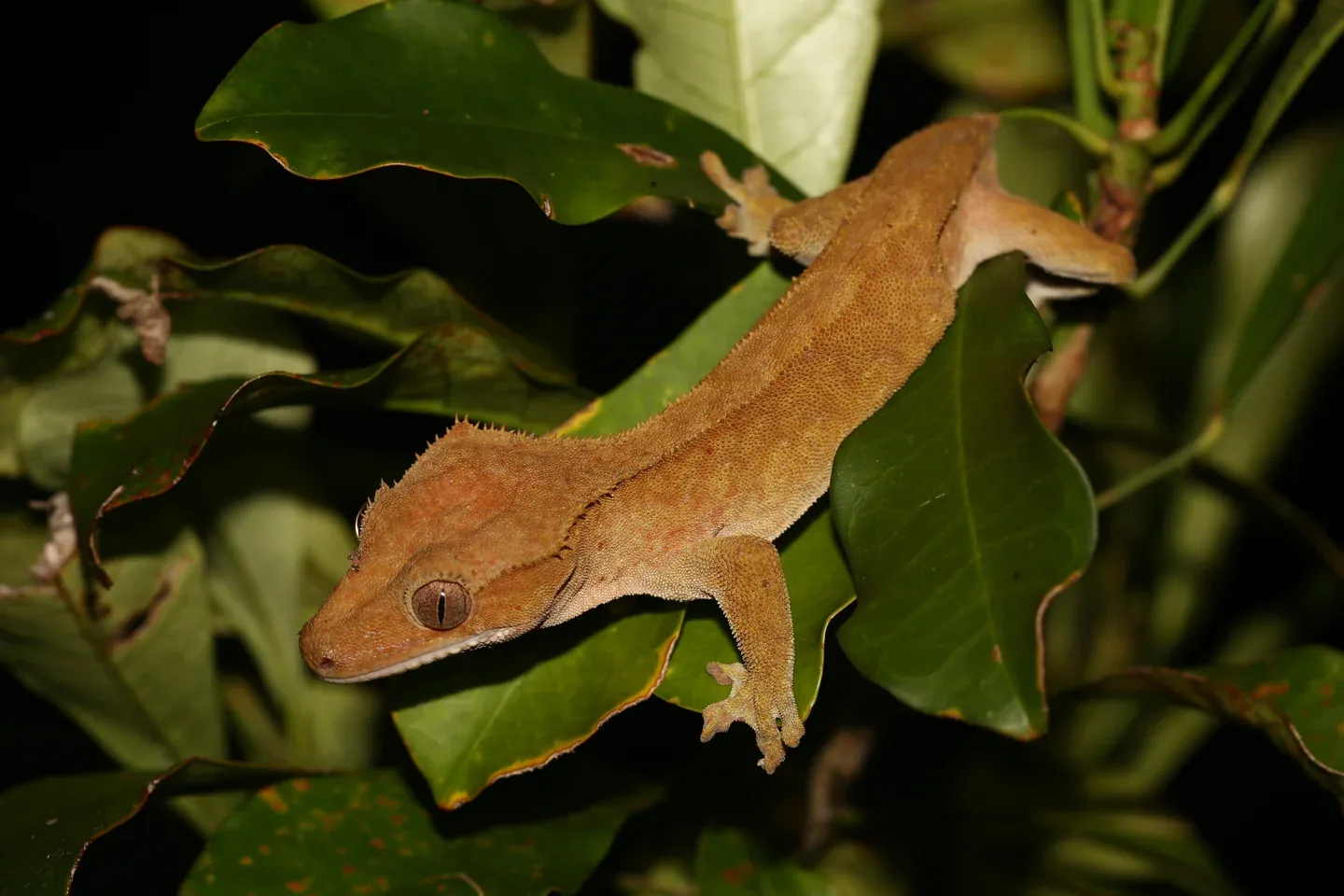
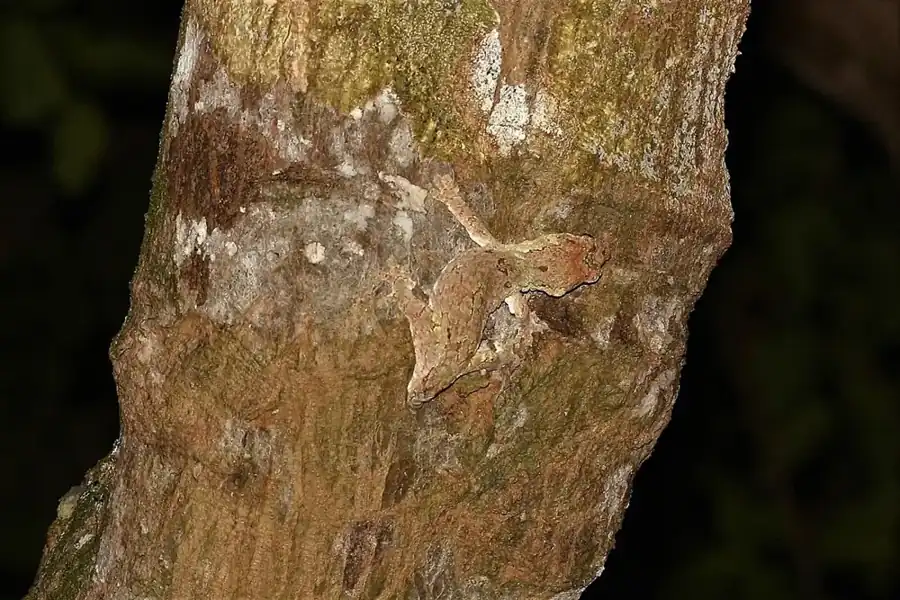
Also sold as a mossy or prehensile-tailed gecko, Mniarogekko chahoua comes from New Caledonia. Confirm the scientific identity with the breeder; a locality label is useful history, not a complete care plan. Sundown reports captive animals living beyond twenty years. Make plans for reliable evening care and replacement equipment throughout that time.
Space that works
The ReptiFiles adult enclosure reference is 60 × 60 × 90 cm, with larger encouraged. Keep a single gecko. Sundown describes branches at different angles, cork sleeping tubes and cover at multiple heights. Put food and water on an accessible ledge. Position service items so replacing a cup does not require chasing the gecko out of its sleeping site. A small juvenile also needs easy access to food and a separately evaluated heat and lighting arrangement.
Conditions at occupied perches
The source plan uses 28–29°C at the basking area, 22–24°C in the cool zone and 18–22°C overnight. A probe secured at the basking perch and a second sensor in the cool refuge reveal the usable gradient. Provide a compatible heat control and shaded daytime UVB, with a measured basking UVI of 1–2. Humidity averages 60–80%, varying through day and night. Verify ventilation and drying rather than keeping every resting surface wet.
Insects are part of the weekly plan
The Chahoua Chamber breeder describes live insects as a substantial part of this species’ menu, especially during growth. Offer them alongside a complete commercial gecko diet; do not assume a fruit cup occasionally supplemented with a treat insect meets the requirement. The breeder alternates adult insect and prepared-food offerings through the week. Sundown also emphasises feeder nutrition and calcium. Match supplementation to the complete diet and UVB arrangement, following labels rather than stacking powders. Keep a juvenile’s established feeding schedule and adjust with growth and body condition.
Keeping it sustainable
Price the enclosure, stable climbing furniture, lamp replacements, livefood supply and a reptile-vet reserve before purchasing. Record feeder type, acceptance and comparable weights, with a separate note for any changes to supplements. Keep new arrivals apart from established reptiles and maintain dedicated tools during quarantine. Allow quiet settling before optional handling; support the whole animal and stop when it repeatedly tries to escape. A deformed jaw, weakness or persistent loss of condition needs veterinary assessment, not a home calcium experiment.
Build a route map for a growing gecko
The Chahoua Chamber describes cork cover, climbing supports and feeding ledges as distinct parts of its enclosures. Turn those functions into a simple drawing of your own habitat. Mark the sleeping retreat, warm perch, shaded perch, food and water, then trace a supported route between them. Use the drawing to check whether a small newcomer can reach each ledge. Observe from outside after dark before moving anything. If food remains untouched, investigate access and the established diet as well as the meal itself. Make one modest furnishing change at a time and note whether use of the route changes.
References: The Chahoua Chamber — caging and furnishings
Inspect the canopy as the animal gains weight
Treat furniture strength as something to reassess throughout growth. Keep a photograph of the installed branches and ledges, then compare their position during maintenance: sagging vines, turning branches and a slipping cup holder are useful reasons to stop and repair the arrangement. Test attachments with the gecko safely elsewhere; do not test them by loading an occupied perch. Place replacement furniture so a route still leads into familiar cover. A planted enclosure also needs accessible areas for removing waste and spoiled food. These maintenance suggestions extend the care sources' emphasis on climbing cover; they do not establish a tested load rating for any branch, adhesive or magnet.
References: The Chahoua Chamber — enclosure elements
Sources & further reading
Read the full recommendations and check details for your animal, equipment, and local conditions.
- ReptiFiles — chahoua husbandry and lifespan
- The Chahoua Chamber — breeder care and feeding
- Sundown Reptiles — breeder feeding practice
Compiled September 2026. Original summaries; not individually reviewed by a veterinarian.