Independent species review: pending. Source-check date: 2026-09-05.
Report a care correction · Offer a species reviewArticle changes
- 2026-09-05 · Added an original scoped planning introduction with source caveats, preparation checklist and individual housing assessment. Numerical environmental settings remain subject to specialist review.
- 2026-09-08 · Expanded practical preparation, maintenance and observation sections, with scoped sources where applicable. This update checks the new material; independent species review remains pending.
At a glance
- Scope
- V. indicus; older broad island identifications need checking. ↗
- Movement
- Swimming and climbing both belong in the habitat assessment. ↗
- Refuge
- Digging and sheltered retreat are part of natural behavior. ↗
V. indicus planning scope only. Natural-history sources do not establish captive numerical settings; related island species require separate assessment. Independent species review pending.
Use this guide as a starting point alongside the detailed sources below. Health concerns, unexplained changes in behavior, or feeding problems belong with a reptile veterinarian.
Confirm what mangrove means
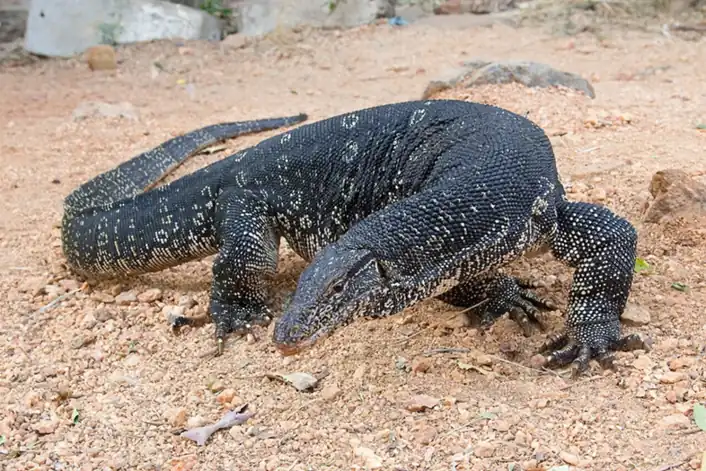
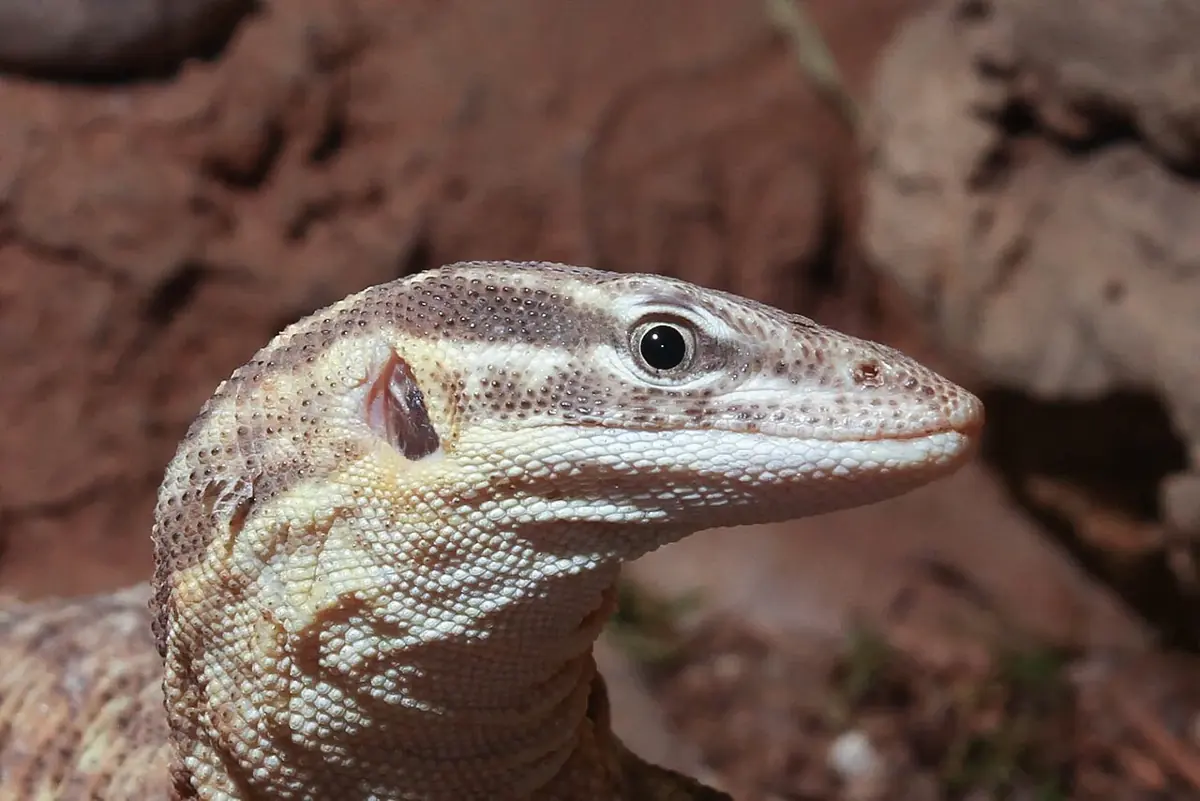
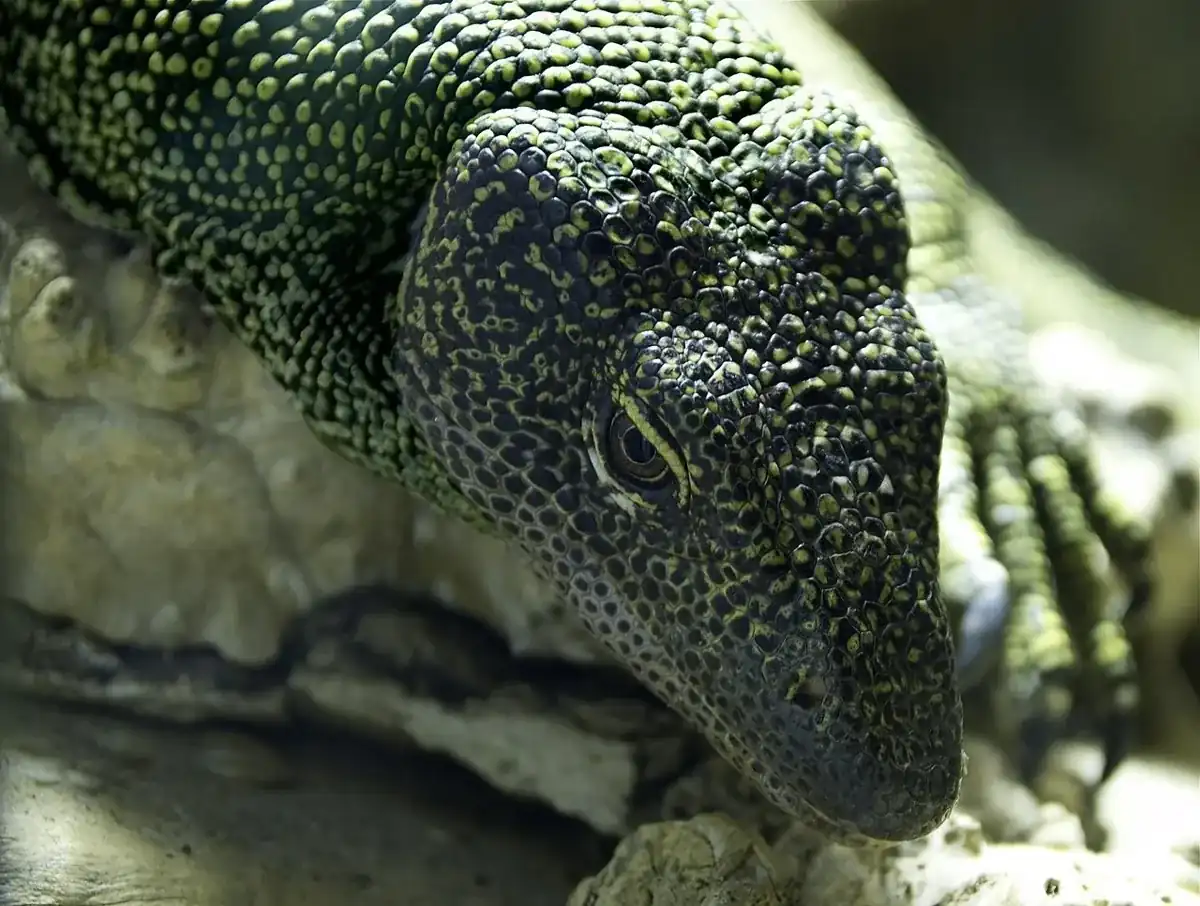
This introduction concerns Varanus indicus. Historical mangrove-monitor records can combine distinct island species: Weijola and colleagues’ 2020 research separates Micronesian V. bennetti and V. tsukamotoi from older broad identifications. Obtain scientific identification and provenance before selecting settings.
Give each mode of movement real space
Reptilia describes capable swimmers and climbers; keeper Josh Cox also describes burrowing refuge. Plan connected water, usable land and climbing routes rather than treating a water bowl as the whole aquatic provision. Draw entrances and exits around the actual adult’s size. Hides must remain accessible for inspection without dismantling the entire wetland structure.
Design water maintenance before decoration
Write down how contaminated water will leave the enclosure and how replacement water reaches it. Keep service equipment accessible and secure openings where pipes pass through walls. Arrange the land so it offers resting choices. The time needed to clean the finished water system belongs in the ownership decision, alongside the space it occupies.
Resolve the environmental plan locally
Wetland origin does not provide a complete basking, humidity or UVB specification. Have an experienced keeper review the identified animal’s plan, including shaded retreats and the interaction of water, ventilation and heating. Record air, surface and humidity measurements at occupied locations. This source set supports planning and natural history; it does not establish a validated numerical recipe.
Fit the animal to your routine
This is an observation-focused project for a keeper able to maintain both aquatic and climbing infrastructure. Leave room in the budget for plumbing service, prey storage and veterinary care. Ask for feeding and origin records with the animal, and prepare quarantine before arrival. Independent species review remains pending; unresolved identity should pause acquisition, not be filled with guessed settings.
Keep the trade name out of the final specification
The current introduction explains why historical mangrove-monitor records may combine several island taxa. Create an identification page before ordering the enclosure: scientific name, claimed collection or breeding origin, photographs, prior keeper and who assessed the identification. Keep uncertain items visibly unresolved. When consulting an experienced keeper, ask whether their experience concerns that same taxon and background. This is a practical acquisition filter, not an identification key. A supplier's generic mangrove label or a care sheet showing a similarly patterned animal should not silently become the basis for climate, diet or adult dimensions when the actual identity is still in doubt.
References: The Reptile Database — Varanus bennetti and historical V. indicus identification
Draw a complete circuit through water, land and branches
Reptile Encounters describes swimming, climbing and use of refuges. Use those functions to review the design as one connected habitat: follow the animal's route into water, out onto land, up to a supported perch and back into cover. Mark any bottleneck where a larger adult would have to squeeze, scramble over equipment or expose itself without an alternative route. Check that the route remains available while a basin is drained or a branch is removed for cleaning. This is a planning inference from the reported movement modes. It does not establish a minimum pool volume or prove that a display with all three elements provides enough usable space.
References: Reptile Encounters — mangrove monitor swimming and climbing
Commission maintenance with the reviewer present
Prepare a demonstration of the water-service sequence, containment and environmental measurements for the person assessing the facility. Show where replacement water enters, how debris is removed, how the filter is accessed and which barrier keeps the animal separated from the work. Keep the procedure short enough for a backup caretaker to follow, but include what happens if a drain blocks or a pump fails. Recheck readings after the enclosure is fully furnished and running through its intended day-night cycle. Use these commissioning checks to guide the specialist review. The available sources do not supply a validated captive protocol.
References: Reptile Encounters — mangrove monitor habitat context
Sources & further reading
Read the full recommendations and check details for your animal, equipment, and local conditions.
- Reptilia Zoo — mangrove monitor natural history and diet
- Josh Cox, Reptile Encounters — mangrove monitor observations
- Weijola et al., 2020 — Taxonomy of Micronesian monitors, original research
- The Reptile Database — Varanus bennetti and historical V. indicus identification
Compiled September 2026. Original summaries; not individually reviewed by a veterinarian.