Independent species review: pending. Source-check date: 2026-09-05.
Report a care correction · Offer a species reviewArticle changes
- 2026-09-05 · Added an original scoped planning introduction with source caveats, preparation checklist and individual housing assessment. Numerical environmental settings remain subject to specialist review.
- 2026-09-08 · Expanded practical preparation, maintenance and observation sections, with scoped sources where applicable. This update checks the new material; independent species review remains pending.
At a glance
- Scope
- V. albigularis albigularis; other forms need separate identification. ↗
- Diet emphasis
- Natural feeding includes substantial invertebrate prey. ↗
- Environmental records
- Distinguish basking surface temperature from air temperature. ↗
Planning scope is V. albigularis albigularis. Natural-history records and older keeper experience require interpretation for the identified animal; no universal seasonal protocol is supplied. Independent species review pending.
Use this guide as a starting point alongside the detailed sources below. Health concerns, unexplained changes in behavior, or feeding problems belong with a reptile veterinarian.
Define the white-throat scope
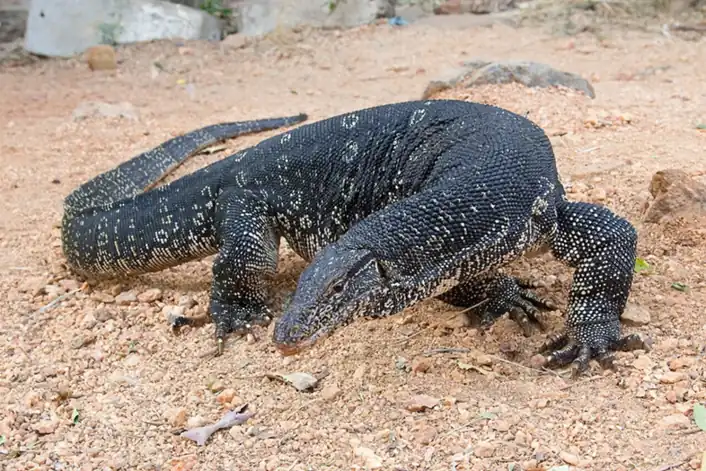
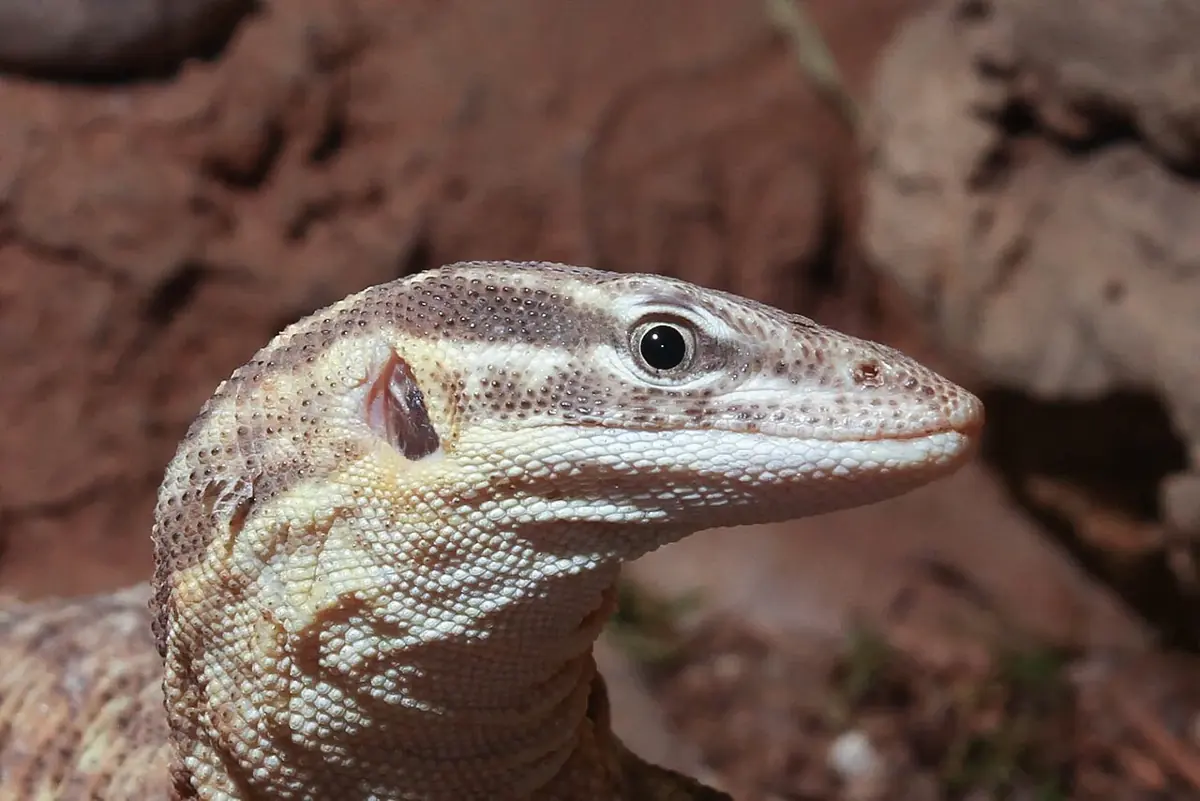
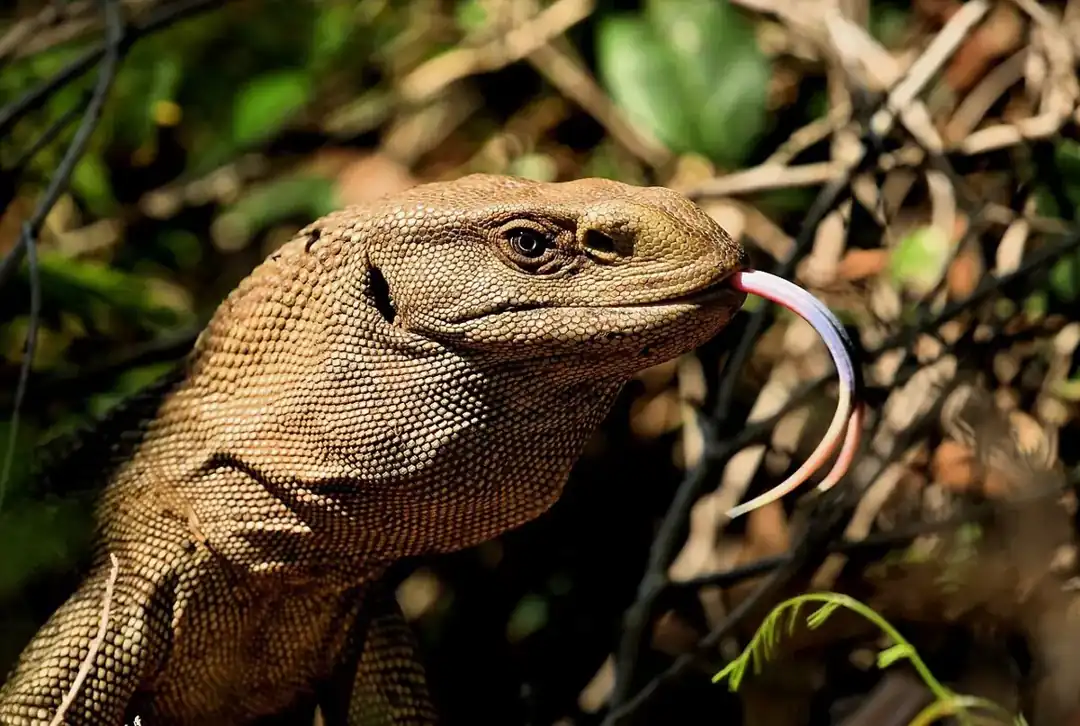
This introduction focuses on Varanus albigularis albigularis. The Reptile Database also recognizes other forms within V. albigularis; black-throated and Angolan animals should not inherit settings from a common-name match. Ask for origin and identification records. The Ambassador Animal resource describes a powerful, solitary monitor, making adult facilities and informed maintenance central to the ownership decision.
Plan the room around its daily behavior
Michael Balsai’s keeper account discusses adult room-scale housing, deep moisture-retaining substrate and accessible fresh water. Draw routes for walking and foraging, with full-body retreat and stable resting structures. Decide how substrate will enter and leave the room and how water will drain. Diggable ground is a continuing service requirement, not a decorative layer installed once.
Measure the animal’s choices
Balsai distinguishes heated surface conditions from ambient air. Adopt that measurement discipline when an experienced keeper reviews your installation: map basking, retreat and substrate locations separately. Include the UVB fixture and reachable clearances in the plan. This introduction does not convert an older account’s numeric conditions into universal settings for every origin, life stage or building.
Give invertebrates a deliberate place
Both Balsai and the Ambassador Animal resource emphasize substantial invertebrate feeding in natural history. Plan a reliable supply of suitable varied feeders and review additional foods and supplements with a reptile veterinarian. Growth and adult maintenance require different portion decisions. Keep records of meals and condition instead of treating enthusiasm for food as a sufficient feeding schedule.
Support refuge and individual assessment
The Ambassador Animal account describes solitary behavior and defensive biting or tail use when threatened. Start with individual housing and an approach that allows retreat. Make major cleaning possible with the monitor securely separated. Seasonal changes in activity or appetite need the context of health and origin; do not create a fasting or cooling program from a brief online introduction.
Price the long-term work
Budget beyond construction for heating, replacement lighting, feeders, substrate handling and specialist veterinary access. Confirm how an adult will travel and who can safely cover your absence. Write down baseline behavior and environmental measurements so that a substitute keeper can recognize change. Independent species review is pending, and this planning page cannot certify the finished enclosure or predict a fixed lifespan.
Review an insect supply that can support an adult
Balsai emphasizes invertebrates in natural feeding and lists several captive feeder options. Build a supply plan around the reviewed menu: available sizes, feeder nutrition, storage, backup suppliers and the time required to prepare them. Record the actual amount accepted, including any training food, so an adult's enthusiastic feeding does not automatically increase its weekly intake. Keep additional prey categories separate in the record for veterinary review. Use this record to check that invertebrates remain part of the reviewed menu and its budget. These planning suggestions do not establish a complete nutritional formula.
References: Michael Balsai — white-throated monitor feeding
Draw the substrate service path before filling the room
The keeper account describes substantial moisture-retaining ground and an adult facility with room for activity. Calculate where clean substrate will be stored, how contaminated material can be removed and which doorway or barrier stays closed during the job. Mark supported furniture before burying its base and inspect it after excavation. Keep an accessible retreat available in the final layout, not only a clear floor that is easy for the keeper to sweep. Have an experienced reviewer assess the adult facility using these design details. The exercise does not establish a universally adequate substrate depth or floor area.
References: Michael Balsai — white-throated monitor enclosure context
Document seasonal context without copying seasonal fasting
Balsai discusses changes in wild activity and food availability through the year. Keep that natural history separate from an automatic captive cooling or fasting instruction. Record activity, intake, body condition and environmental readings before interpreting a change, and preserve the animal's documented origin because the broader species spans different regions. An experienced clinician or species keeper can then assess the complete context. Include the replacement caretaker's observations in the same record during absences. Keep the history with the reviewed environmental plan, including a safe way to carry out essential maintenance while the animal remains in its retreat.
References: Michael Balsai — white-throated monitor seasonal natural history
Sources & further reading
Read the full recommendations and check details for your animal, equipment, and local conditions.
- The Reptile Database — Varanus albigularis taxonomy
- Michael J. Balsai — Expert Care for the White-Throated Monitor
- Ambassador Animal Resource and Information Center — zoo-contributed white-throated monitor natural history
Compiled September 2026. Original summaries; not individually reviewed by a veterinarian.