Independent species review: pending. Source-check date: 2026-09-05.
Report a care correction · Offer a species reviewArticle changes
- 2026-09-05 · Added scoped introduction, preparation checklist, source references and individual housing assessment; independent species review remains pending.
- 2026-09-08 · Expanded practical preparation, maintenance and observation sections, with scoped sources where applicable. This update checks the new material; independent species review remains pending.
At a glance
- Scope
- Golden tegu, Tupinambis teguixin; confirm animals sold only as Colombian tegus. ↗
- Adult basking surface reference
- 52–57°C (125–135°F) in Dubia; retain a cooler air zone. ↗
- Water routine
- A full-body water container requires daily replacement when following the breeder account. ↗
These are source-specific planning references, not enclosure certification. Identity, adult size, measuring location and the individual animal require review. Blank finder dimensions mean that a manual assessment is necessary.
Use this guide as a starting point alongside the detailed sources below. Health concerns, unexplained changes in behavior, or feeding problems belong with a reptile veterinarian.
Confirm the tegu behind the trade name
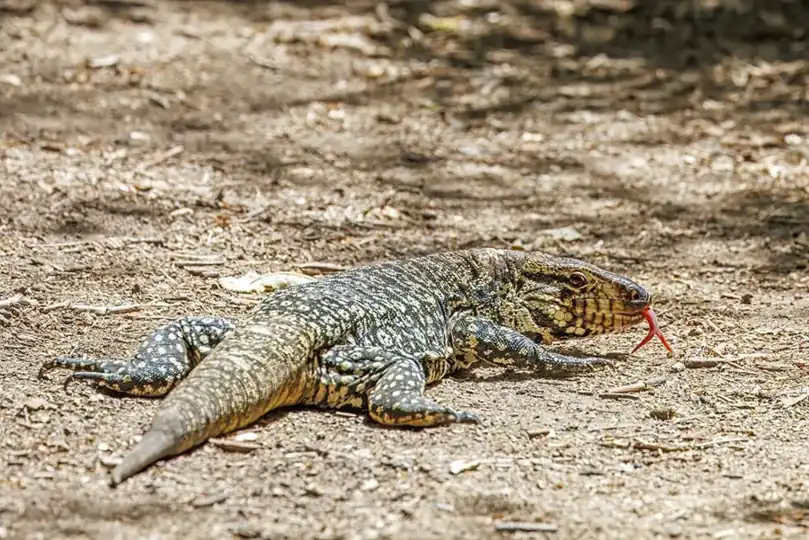
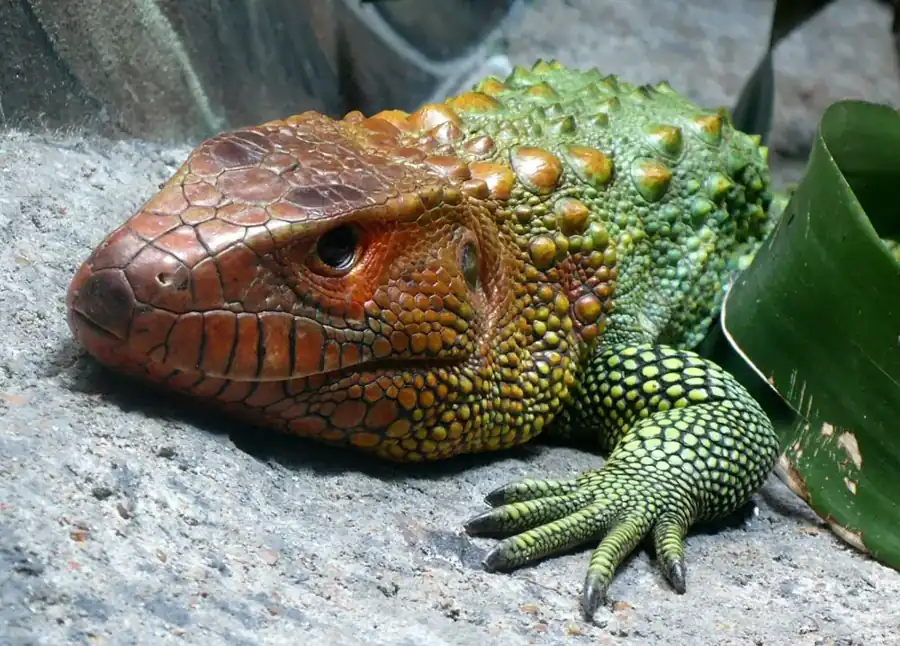
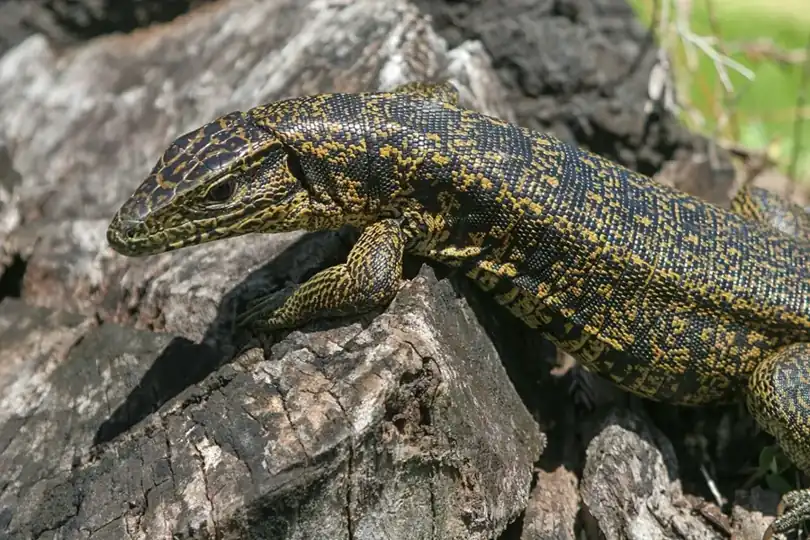
Colombian tegu is used in trade for more than one Tupinambis species. This introduction concerns the golden tegu, T. teguixin; obtain identification and origin records before applying it. ReptileTalk’s breeder-authored account describes a powerful, agile animal. Individual tolerance varies, so plan to enjoy observation and voluntary interaction rather than depending on adult handling.
Preserve the floor after furnishing
The ReptileTalk contributor prefers adult floor areas larger than the familiar six-by-three-foot enclosure reference. A substantial water container and basking site quickly consume usable space. Draw their footprints before ordering a habitat. Include digging substrate and secure resting cover, then check that the tegu can travel and turn without pushing through every furnishing. Lock doors and service openings.
Build a measured basking zone
Dubia specifies an adult basking surface of 52–57°C (125–135°F), distinct from cool-side air of 24–29°C (75–85°F). Do not copy the surface value into an ambient thermostat target. Use controlled heating, independent measurements and daytime UVB with shade. An Argentine tegu’s seasonal routine should not automatically become this tropical animal’s winter plan.
Make digging and water service practical
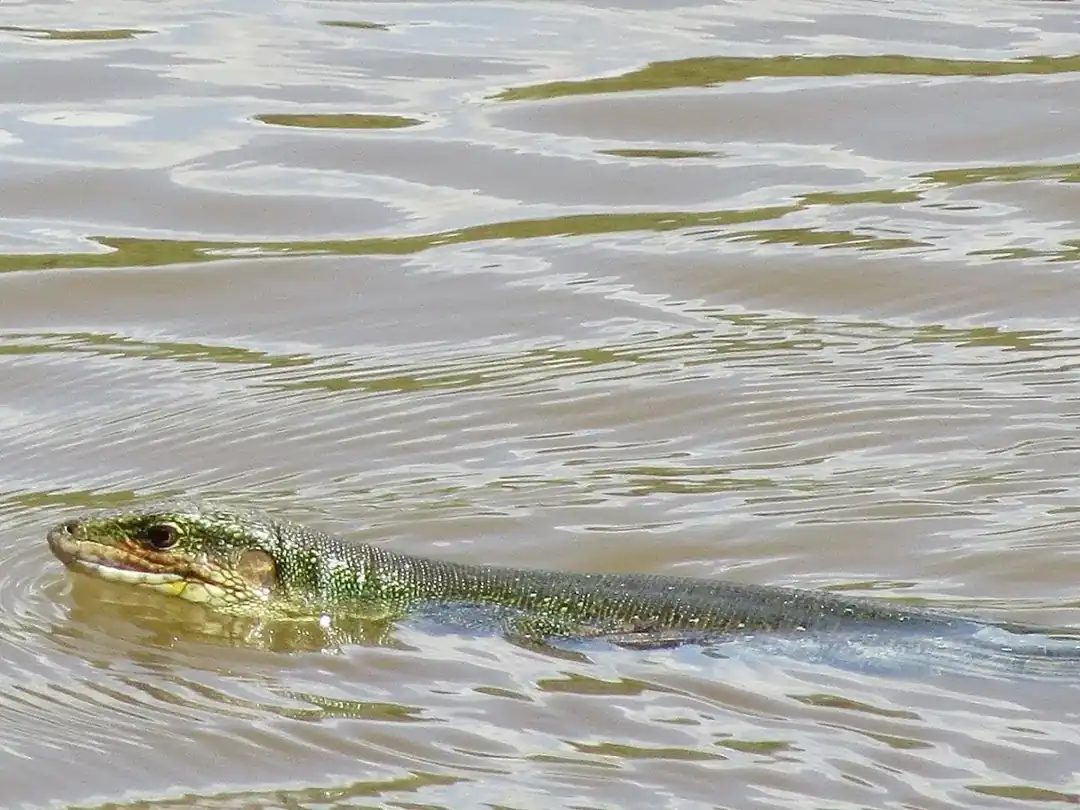
The breeder account uses moisture-retaining burrowing substrate and a cool-end humidity reference of 60–80%. Its water container permits full-body immersion and is changed daily because tegus foul it. Make the container removable or drainable and check the substrate below it. Air movement, a humid retreat and sanitation must be managed together; constant wetness everywhere is not the objective.
Carry the feeding history forward
The cited care accounts emphasize varied animal foods, including appropriate invertebrates and whole prey; fruit is a smaller component. Obtain a written feeding and supplement plan matched to age and UVB provision. Establish reliable food suppliers and record body condition rather than repeatedly enlarging meals whenever food is accepted. Use feeding tools and arrange servicing so hands do not become food cues.
Choose the workload as well as the lizard
ReptileTalk reports fifteen years or more, so budget for a lasting, large habitat rather than a temporary juvenile tank. Electricity, substrate replacement, food and veterinary care continue after construction. Keep short notes on feeding, use of retreats and responses during servicing. Those records help identify whether the animal is settling and whether the layout needs adjustment.
Measure the floor after the water container is installed
The ReptileTalk keeper explicitly notes that a basin and basking area consume more room than an empty enclosure suggests. Mark their footprints, the retreat and the service opening on a floor plan. Trace how a grown tegu can travel between them and turn without pushing into a lamp support or wedging beside the water container. Repeat the review after increasing substrate depth or fitting a larger basin. These are practical layout checks, not an endorsement of the author's construction materials or a replacement for adult-space assessment. Use the plan to assess the movement space remaining after furnishing.
References: ReptileTalk — golden tegu housing footprints
Keep water and burrow maintenance workable together
The same firsthand account describes digging substrate and water that is frequently soiled. Check the basin's underside and neighboring substrate when it is removed or drained, and inspect whether excavation has changed its support. Photograph fixed bases before covering them so a later clean does not accidentally rebuild a heavy object on loose material. Arrange removal of dirty water without flooding the burrow area. The layout should retain digging and immersion opportunities while allowing cleaning. These servicing suggestions do not require constant wetness throughout the enclosure, and visible waste still needs removal from a planted floor.
References: ReptileTalk — golden tegu burrowing and water use
Retain a tropical animal's actual seasonal history
The keeper account distinguishes this animal's seasonal management from that of Argentine tegus. Obtain the previous keeper's history of activity, feeding and environmental settings, with the scientific identity attached. If the tegu slows down after a move or a room-temperature change, add those events to the record before calling it brumation. Seek experienced review rather than copying a cooling program found under the broader word tegu. Keep routine access and backup care planned for a strong, agile adult even if the juvenile is approachable. Preserve the individual's documented care while unresolved questions are reviewed. A shared common name does not predict identical behavior.
References: ReptileTalk — golden tegu seasonal distinction and behavior
Sources & further reading
Read the full recommendations and check details for your animal, equipment, and local conditions.
- ReptileTalk — golden tegu, breeder-contributed husbandry
- Dubia — Colombian tegu identity and care references
- The Tye-Dyed Iguana — Columbian tegu care sheet
Compiled September 2026. Original summaries; not individually reviewed by a veterinarian.