Independent species review: pending. Source-check date: 2026-09-05.
Report a care correction · Offer a species reviewArticle changes
- 2026-09-05 · Added original species planning guidance with linked references and explicit evidence limits.
- 2026-09-08 · Expanded practical preparation, maintenance and observation sections, with scoped sources where applicable. This update checks the new material; independent species review remains pending.
At a glance
- Adult housing
- Bespoke tall adult enclosure; funded before acquiring a youngster. ↗
- Diet
- Plant-based through all life stages, with calcium and UVB planned together. ↗
These are attributed adult planning references, not a validated enclosure design. Surface temperature, shaded air temperature and UV Index describe different measurements. Read the full guide before setting equipment. Independent species review is pending.
Use this guide as a starting point alongside the detailed sources below. Health concerns, unexplained changes in behavior, or feeding problems belong with a reptile veterinarian.
Color does not reduce the adult commitment
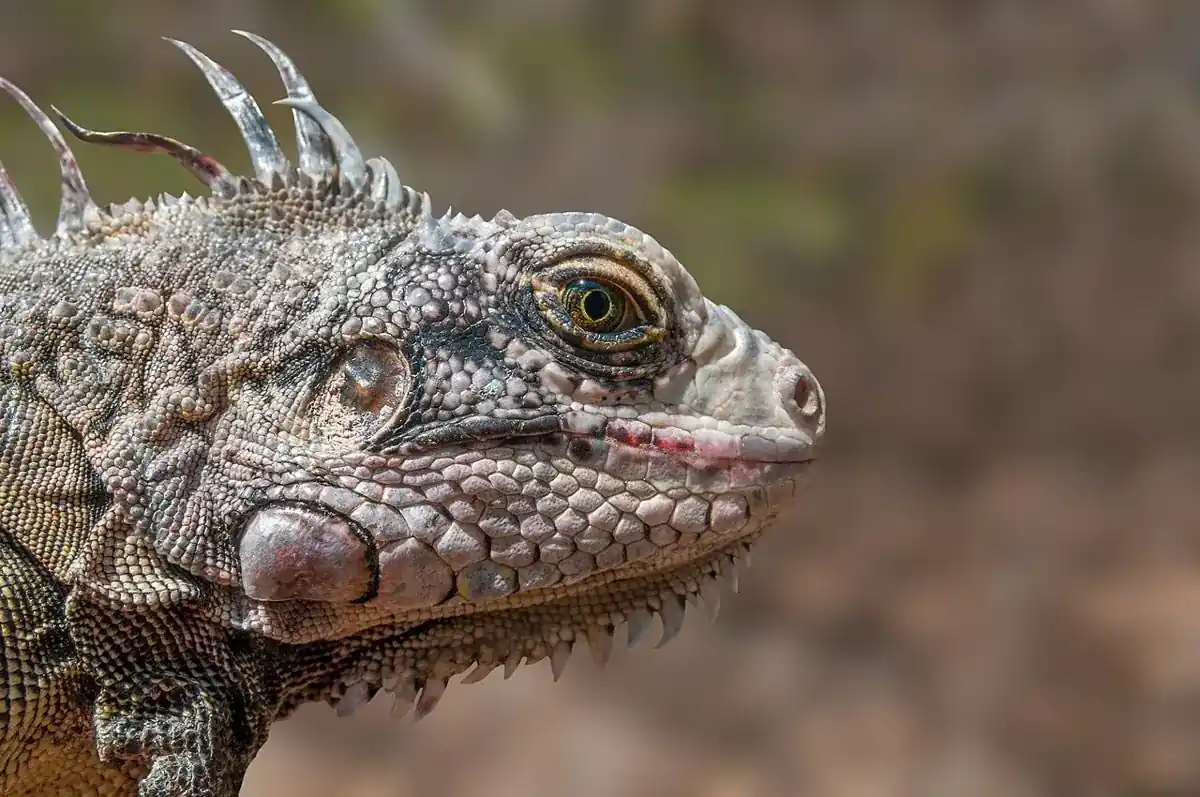
This page covers Iguana iguana, including color forms marketed as red, blue or yellow green iguanas. It does not cover other iguana genera. A 15–20-year or longer lifespan and very large adult size make housing a long-term household decision. A low purchase price can conceal the cost of the adult installation and the difficulty of finding capable replacement care.
Design an adult climbing room
ReptiFiles uses 3 × 1.5 × 1.8 m as its adult enclosure reference and encourages larger housing. A young iguana’s cabinet is temporary. Provide secure, weight-bearing routes between different heights, sheltered resting locations and accessible water. Check attachments and doors as the animal grows. Plan how someone can service lamps and remove waste while keeping the iguana safely contained.
Map heat and UVB at occupied heights
The cited ReptiFiles plan uses a basking surface around 50°C, general air at 24–31°C and basking UV Index 3–4. These values describe different things. Measure the supporting surface with an infrared thermometer, air with shaded probes, and UVB at the back’s actual basking height. Supply broad coverage and cooler retreat routes. Branch changes can change exposure even when the lamps remain in place.
Humidity and equipment maintenance
ReptiFiles gives 60–80% daytime humidity with ventilation. A large humid enclosure needs reliable drainage and cleaning access, not merely an oversized mister. Long Island Bird & Exotics advises daily checks of water and electrical systems. Add a short equipment checklist to the notebook: leaks, water contamination, damaged cables, lamp operation and the condition of the principal climbing supports.
Fresh plants throughout life
Iguanas are herbivores as juveniles and adults. Offer varied, appropriately chopped leafy vegetables, with fruit a small component. The veterinary source describes more frequent feeding while young, reducing as growth ends; amounts still depend on the individual. Review calcium supplementation alongside UVB provision. Meat and insects are not a growth shortcut. Prepare portions small enough for the iguana to swallow comfortably.
Plan for behavior and reproductive care
Keeper experience from Ontario Iguanas highlights powerful bites, tail whipping and seasonal behavior. Females may need an appropriate egg-laying site even without a male. Secure professional support for reproductive concerns instead of improvising treatment. This guide awaits independent review. Fund adult housing, electricity, replacement lighting, fresh-food preparation and a caretaker who can manage the individual’s behavior; routine handling tolerance is never guaranteed.
Build an adult service plan before the adult arrives
Long Island Bird & Exotics emphasizes the room-scale space an adult may require and the importance of daily checks on electrical and water systems. Draw keeper access alongside the climbing routes. Show how a lamp will be replaced, how the water container can be emptied and where the iguana can remain contained during those jobs. Verify that a person can reach a failed component without leaning across the principal basking perch. Include a suitable transport container and a route through household doors in the plan. These are practical design checks for a large climbing resident; a room's floor dimensions alone do not establish that routine care will be safe or manageable.
References: Long Island Bird & Exotics — iguana housing and system maintenance
Make plant variety a shopping and preparation routine
The veterinary guide recommends varied plant foods and pieces suited to the animal's size. Plan the week's produce before shopping, with more than one suitable leafy staple available when a preferred item is out of stock. Record what enters the bowl and what remains so the record shows which ingredients the iguana actually eats. Keep portions and supplement use consistent while evaluating a new food. Prepare food on clean equipment and remove spoiled leftovers promptly. The exact menu and supplement amounts still belong to the individual care plan. This routine helps a caretaker maintain variety without substituting an improvised meat-based meal or repeatedly offering only the sweetest accepted ingredient.
References: Long Island Bird & Exotics — iguana nutrition and food preparation
Keep baseline observations useful for veterinary visits
The same clinic recommends an initial examination even when a newly acquired iguana appears healthy. Bring its origin, food history, lighting details and clear photographs of the actual habitat. In ongoing records, describe what changed: which limbs are being used differently, how food intake compares with normal and whether a new branch changed access. Avoid converting a single posture or color into a diagnosis. A female's reproductive history also belongs in the record even when she has never lived with a male. Keep appointment transport practical as the animal grows; the container and helper that worked for a youngster may no longer be suitable for an adult.
References: Long Island Bird & Exotics — iguana veterinary assessment
Sources & further reading
Read the full recommendations and check details for your animal, equipment, and local conditions.
- ReptiFiles — green iguana care and adult requirements
- Long Island Bird & Exotics — iguana nutrition and clinical care
- Ontario Iguanas with ReptiFiles — first-hand keeper considerations
- Susan Horton, DVM — adult iguana care considerations
Compiled September 2026. Original summaries; not individually reviewed by a veterinarian.