Independent species review: pending. Source-check date: 2026-09-05.
Report a care correction · Offer a species reviewArticle changes
- 2026-09-05 · Added original species planning guidance with linked references and explicit evidence limits.
- 2026-09-08 · Expanded practical preparation, maintenance and observation sections, with scoped sources where applicable. This update checks the new material; independent species review remains pending.
At a glance
- Housing review
- Custom adult housing with deep burrowing substrate and a managed water area. ↗
- Diet priority
- Large insects remain the dietary foundation for adults; monitor body condition. ↗
These are attributed adult planning references, not a validated enclosure design. Surface temperature, shaded air temperature and UV Index describe different measurements. Read the full guide before setting equipment. Independent species review is pending.
Use this guide as a starting point alongside the detailed sources below. Health concerns, unexplained changes in behavior, or feeding problems belong with a reptile veterinarian.
Decide on adult care first
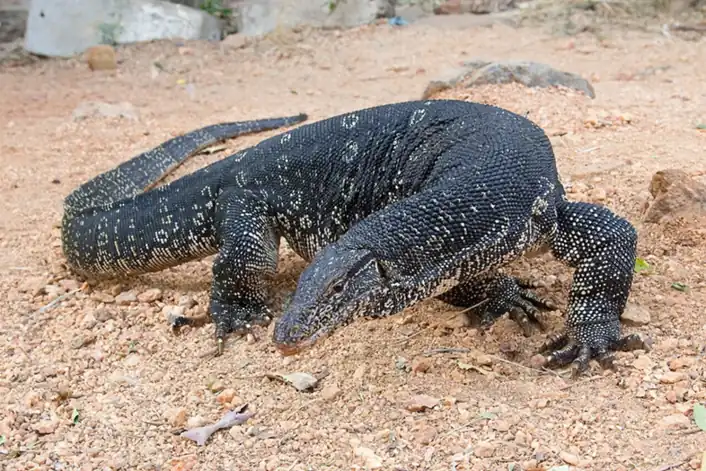
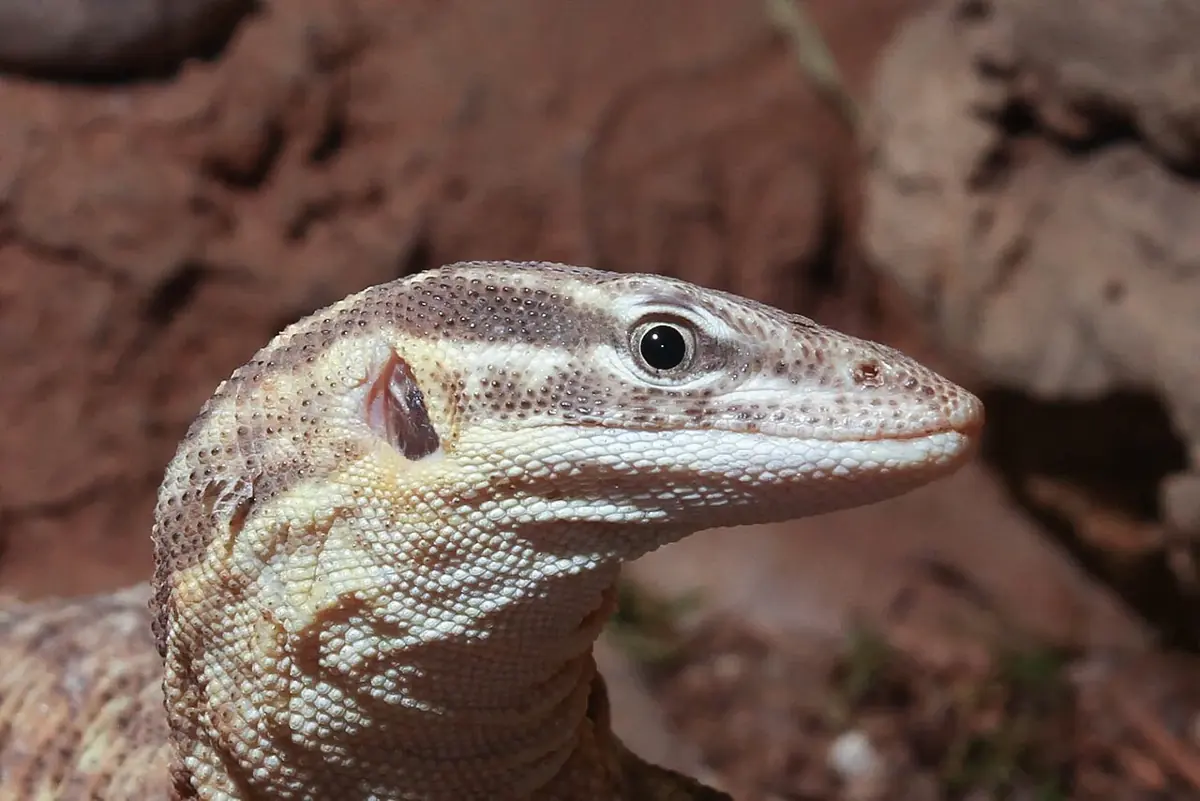
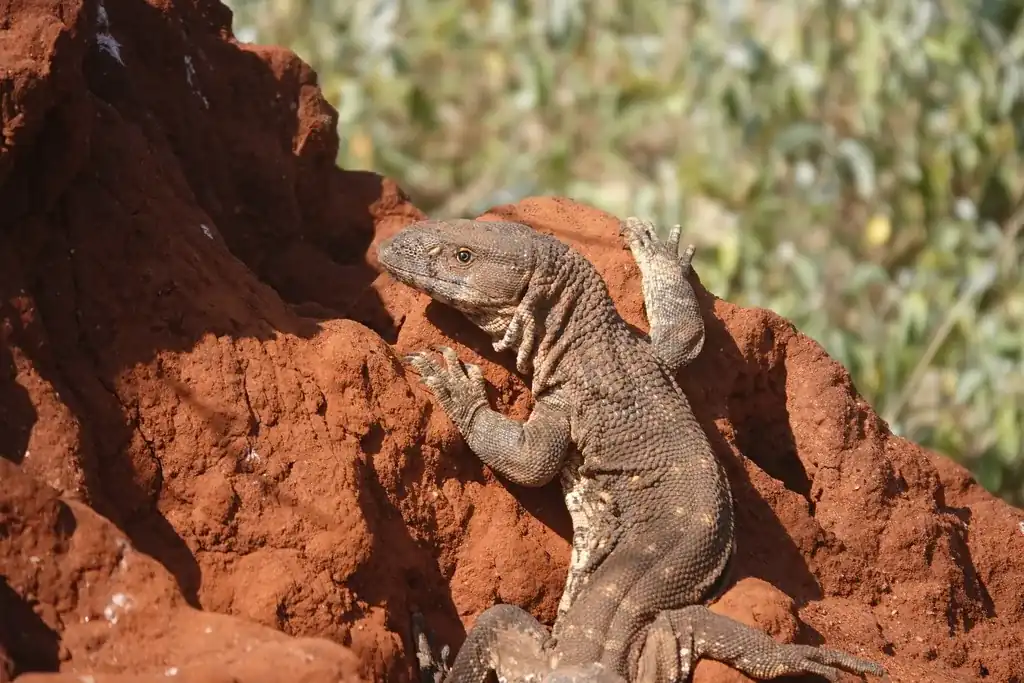
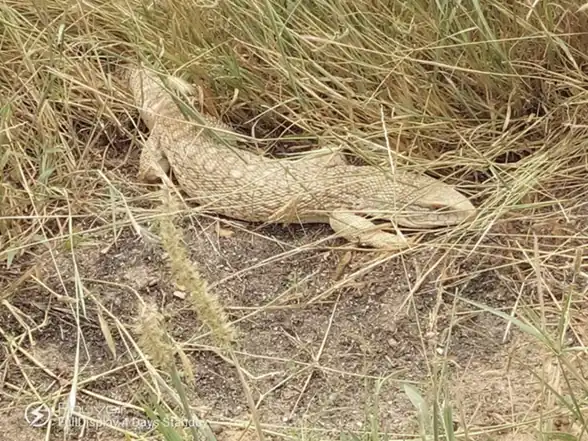
The savannah or Bosc monitor is Varanus exanthematicus. Tree of Life’s veterinary guide gives a 10–15-year lifespan reference. Experienced keepers must plan for its strength, burrowing and adult food requirements, regardless of a hatchling’s purchase price. Obtain a documented origin and an initial veterinary plan, particularly for an animal with an uncertain import history.
Housing needs a specialist review
Bennett’s Ghana field study obtained juvenile animals by excavating burrows and documented varied invertebrate prey. This supports taking underground habitat and insect supply seriously, without establishing a captive enclosure formula. Plan a secure custom home with deep substrate, stable retreats and a clean water container. Adult dimensions are omitted from automatic matching because substrate volume, usable space and maintenance access need review together.
Resolve the heating disagreement
Tree of Life specifies a 54–60°C basking surface and 24–27°C cool-side air. Chicago Exotics gives a much lower basking-site range without the same explicit surface framing. These are not interchangeable instructions. Before installation, ask an experienced monitor clinician or keeper to agree on measurement locations and a complete gradient. Use an infrared thermometer for solid surfaces and separate shaded probes for air; never heat the whole enclosure to a basking value. Include UVB and bright daytime illumination with shaded refuges; have lamp placement assessed as part of the same installation.
Provide moisture where it is used
The two veterinary sources broadly support moderate air humidity and a humid refuge, although their ranges differ. The Tree of Life reference is 50–70% ambient humidity. Inspect lower substrate moisture and water cleanliness as part of routine maintenance. Soil that looks dry on top may still provide a moist retreat; uniformly wet, dirty floor material is not a substitute for a usable burrow.
Insects remain central in adulthood
Chicago Exotics emphasizes gut-loaded insects for hatchlings and retains large insects as the foundation for adults. Meal frequency decreases with maturity; its adult reference is one or two meals weekly, adjusted to body condition. Other sources propose different intervals, making portion size and weight records essential. Do not build the menu around rodents, fatty treats or continuous feeding simply because the monitor accepts them.
Know the recurring workload
Allocate substantial funds for feeder production or purchasing, heat, substrate changes, water handling and experienced veterinary support. Record meals, activity and body condition so rising weight can prompt a care review. Build a practical containment and transport plan before it is needed. Independent review is pending, and the unresolved heating discrepancy prevents this page from being treated as a finished equipment prescription.
Turn the insect requirement into an actual supply plan
Chicago Exotics gives large insects a central role in adult feeding and identifies obesity as a common concern. Before acquisition, price a representative week of suitable feeders and include their own food, containers and delivery arrangements. Identify a second source for shortages. Keep the amount offered and accepted together in the record; counting feeding days alone hides a very large portion. If training uses food, include those items in the same total. Discuss changes in body condition with the clinician overseeing the animal. This supply-and-portion exercise makes an insect-based adult plan concrete without introducing a new nutritional ratio or assuming that appetite measures need.
References: Chicago Exotics — savannah monitor diet and obesity
Review the habitat from the burrow upward
The veterinary source describes digging as an important activity. Draw a cross-section showing the digging area, supported furnishings, warm surface and remaining above-ground space. Include how dirty substrate will leave the room and where replacement material will be stored. Check that the monitor can retreat below cover without tunneling under an unsecured load or entering a cable route. Make a photograph of the fixed supports part of the enclosure record. This is a facility-design exercise, not a validated substrate-depth formula. The unresolved source differences mean that an experienced reviewer should evaluate the actual substrate, temperature measurements and adult movement space together before the animal arrives.
References: Chicago Exotics — savannah monitor digging and furnishings
Make a source disagreement reviewable
Prepare a comparison sheet with each proposed environmental target, the source URL, whether it describes air or a solid surface, and the intended measuring instrument. Leave unclear items marked unresolved. Add photographs of the proposed lamp positions and the monitor's standing height. This gives an experienced clinician or specialist enough context to resolve the heating discrepancy instead of asking them to approve a bare number. Keep the final agreed plan with dated measurements from the completed enclosure. If a lamp, substrate level or room changes later, recheck the affected locations. Resolve the disagreement about measurement locations before finalizing the equipment list.
References: Tree of Life Exotic Pet Medical Center — savannah monitor care · Chicago Exotics — differing savannah monitor heating advice
Sources & further reading
Read the full recommendations and check details for your animal, equipment, and local conditions.
- Tree of Life Exotic Pet Medical Center — savannah monitor care
- Chicago Exotics Animal Hospital — savannah monitor husbandry
- Daniel Bennett — juvenile diet study in Ghana, Herpetological Journal (2000)
Compiled September 2026. Original summaries; not individually reviewed by a veterinarian.