Independent species review: pending. Source-check date: 2026-09-05.
Report a care correction · Offer a species reviewArticle changes
- 2026-09-05 · Added an original scoped planning introduction with source caveats, preparation checklist and individual housing assessment. Numerical environmental settings remain subject to specialist review.
- 2026-09-08 · Expanded practical preparation, maintenance and observation sections, with scoped sources where applicable. This update checks the new material; independent species review remains pending.
At a glance
- Identity before settings
- V. prasinus, V. beccarii and V. macraei are distinct species. ↗
- Hydration check
- Observe drinking as well as recording enclosure humidity. ↗
- Feeding records
- Individual feeder acceptance can change during development. ↗
Shared identification and planning introduction only; not separate complete care guides for every tree-monitor species. Historical keeper reports are not universal environmental specifications. Independent species review pending.
Use this guide as a starting point alongside the detailed sources below. Health concerns, unexplained changes in behavior, or feeding problems belong with a reptile veterinarian.
Begin with a scientific name
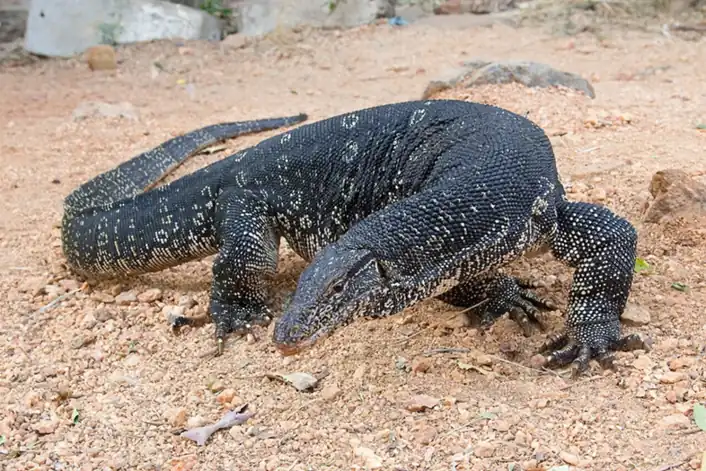
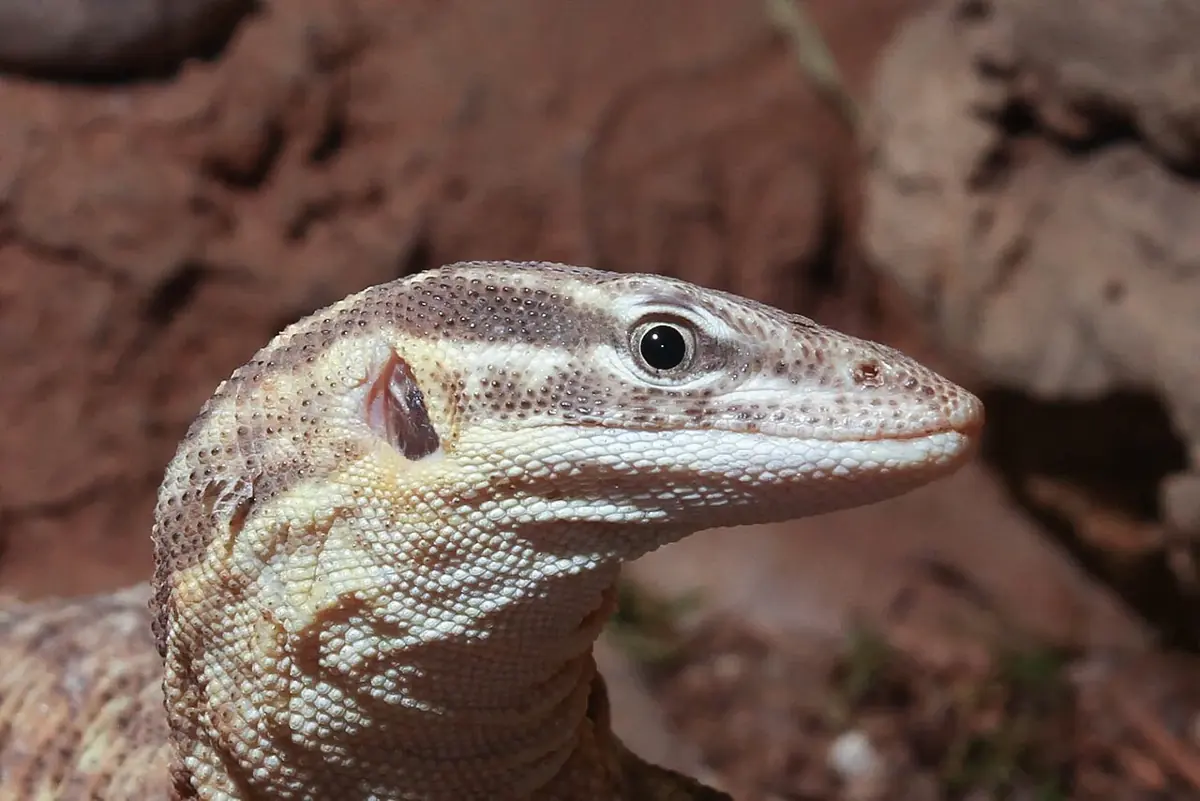
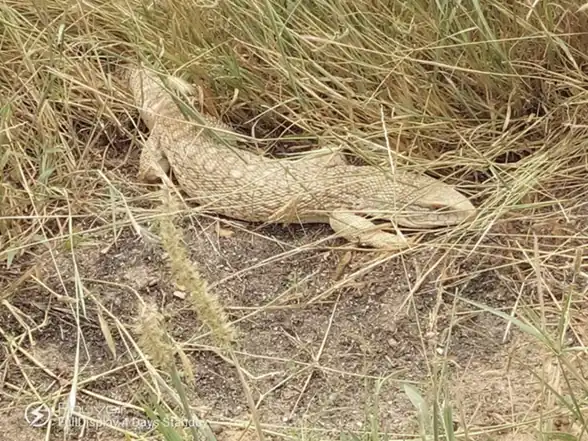
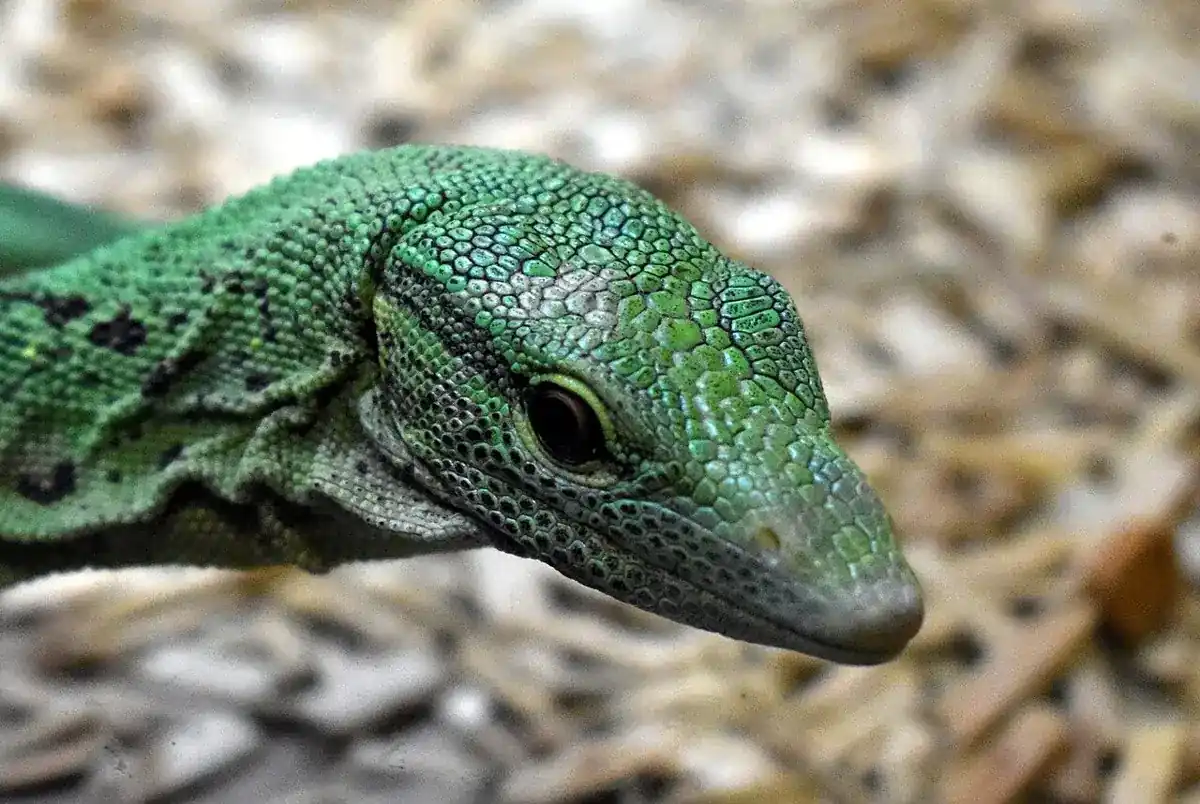
Tree monitor describes a complex, not one species. Green or emerald monitors are Varanus prasinus; black tree monitors are V. beccarii; blue-spotted tree monitors are V. macraei. Robert Sprackland notes that coloration alone can mislead identification. Keep origin and breeding records, and select a species-specific plan before choosing settings. This shared introduction cannot replace that step.
Build usable canopy rather than empty height
Mendyk’s keeper review emphasizes climbing opportunities and retreat. Connect branches and resting positions so an animal can travel under cover. Arrange multiple shelters and make inspection possible without routine pursuit. Fischer’s V. beccarii account uses climbable surfaces, branches and plants; that documented example illustrates habitat functions rather than certifying one universal enclosure size for the complex.
Separate hydration from a humidity number
Mendyk stresses drinking and the vulnerability of new arrivals. Observe actual water use and establish an accessible cleaning routine for drinking provision. Log moisture conditions at occupied retreats and after misting. Moisture equipment needs servicing as well as a timer, and the enclosure must permit a reviewed balance between retained humidity and ventilation.
Resolve light and heat for the species
Older articles contain differing installation advice. Obtain a current species-specific heat and UVB plan and measure the completed enclosure at reachable perches, including shaded alternatives. Do not copy one published lamp wattage across different mesh, branch heights or room conditions. This page intentionally offers no numerical recipe for every member of the complex.
Prove that each animal is eating
Fischer’s black-tree-monitor report documents changing acceptance of different feeders during development. Arrange a varied insect supply and a reviewed nutrition plan, then track the individual’s accepted foods and body condition. A published breeding success does not prove that a homemade recipe is complete. Establish intake during separate quarantine before considering any specialist breeding arrangement.
Choose observation and continuity
Sprackland describes particularly wary blue-spotted monitors, while the broader literature also cautions about stress during disturbance. Provide a quiet viewing routine and use voluntary movement where possible. Costs include furnished vertical housing, replacement lighting, moisture-system maintenance and a reliable feeder supply. Independent species review is pending; lifespan and environmental settings remain species-specific questions, not shared numbers for this group.
Use a case report to learn what remains uncertain
Fischer's black-tree-monitor report includes difficult hatchling feeding and later reflects that some interventions may have been unnecessary. Read that uncertainty alongside the successful outcome. In your notes, distinguish a measured observation, an author's explanation and a proposed treatment. A case involving one compromised hatchling cannot establish a complete diet or a reason to force-feed another animal at home. If a new arrival does not establish intake, bring the actual feeding history, weights and enclosure records to a reptile clinician. This evidence-reading exercise helps avoid turning a published rescue attempt into routine care for every member of a diverse group.
References: Fischer — Varanus beccarii breeding and offspring report
Map cover and maintenance through the canopy
Fischer describes climbable walls, branches and plants in the enclosure used for a growing black tree monitor. Sketch how an animal can move between elevated cover, basking and water without requiring a leap across a service gap. Identify which furnishings can be removed for cleaning and where the monitor can remain secure during that work. Recheck reachable lamp distances when a branch is replaced. The review should assess connected, sheltered routes within the enclosure. It does not endorse the report's dimensions or equipment for another tree-monitor species.
References: Fischer — Varanus beccarii furnished enclosure
Record intake with the least necessary disturbance
The case report notes that repeated capture for measurements contributed to a juvenile's wariness. Agree an observation and weighing approach with experienced help that balances useful health information against disturbance. Record visible food acceptance and normal perch use from outside whenever possible, and keep necessary transfers predictable. Retain the scientific name and origin on every page of the record so a feeding observation for V. beccarii is not later treated as evidence about V. macraei or V. prasinus. These records help a professional interpret the animal's history. Necessary veterinary handling may still be required, and one quiet day does not establish a diagnosis.
References: Fischer — monitoring disturbance and offspring response
Sources & further reading
Read the full recommendations and check details for your animal, equipment, and local conditions.
- Robert W. Mendyk — The Tree Monitors, keeper-authored overview
- Dennis Fischer, Biawak 6(2), 2012 — direct V. beccarii husbandry and breeding report
- Robert G. Sprackland — Blue-Spotted Monitor, species distinctions and keeper considerations
Compiled September 2026. Original summaries; not individually reviewed by a veterinarian.