Independent species review: pending. Source-check date: 2026-09-05.
Report a care correction · Offer a species reviewArticle changes
- 2026-09-05 · Added original species planning guidance with linked references and explicit evidence limits.
- 2026-09-05 · Aligned the displayed experience level with the finder’s classification.
- 2026-09-08 · Expanded practical preparation, maintenance and observation sections, with scoped sources where applicable. This update checks the new material; independent species review remains pending.
At a glance
- Adult planning reference
- Approximately 122 × 61 × 61 cm for larger individuals; preserve usable digging space. ↗
- Structural priority
- Support rocks securely before adding substrate; digging can undermine them. ↗
These are attributed adult planning references, not a validated enclosure design. Surface temperature, shaded air temperature and UV Index describe different measurements. Read the full guide before setting equipment. Independent species review is pending.
Use this guide as a starting point alongside the detailed sources below. Health concerns, unexplained changes in behavior, or feeding problems belong with a reptile veterinarian.
Check the scientific name
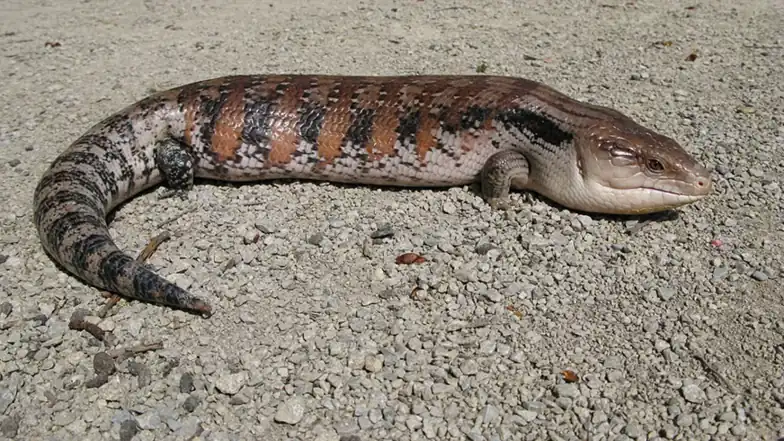
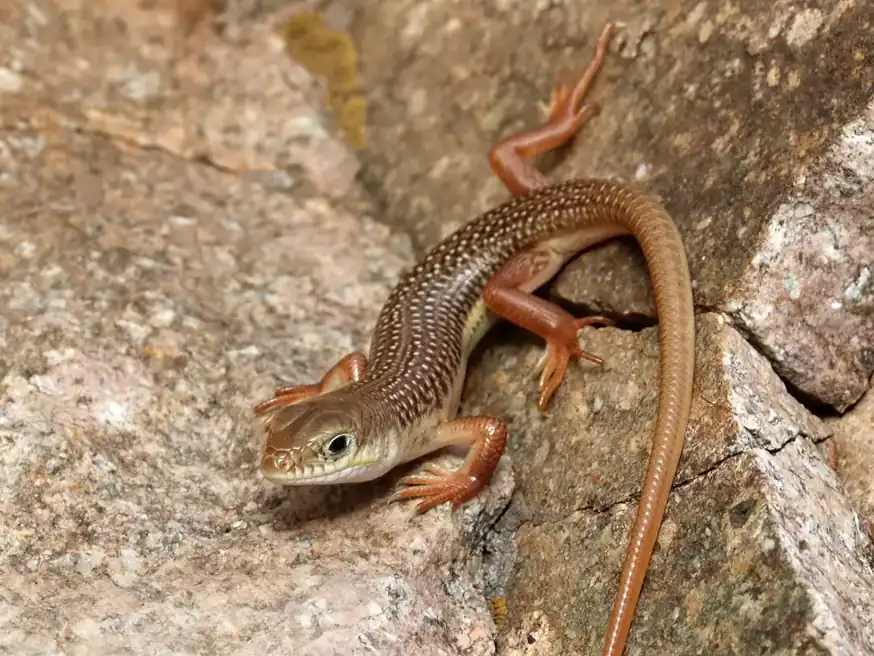
Schneider’s skink is Eumeces schneiderii; older material may use Novoeumeces. Common names such as Berber skink are applied inconsistently, so keep the scientific identification with the animal’s records. Melissa Kaplan’s account describes a ground-dwelling lizard from dry rocky habitats that also uses low climbing opportunities. Burrowing can be normal behavior, so the animal should not be uncovered simply for handling.
Plan around the larger adult
The current Reptile Supply reference recommends about 122 × 61 × 61 cm for larger individuals. Smaller dimensions appear in older sources, but are not used as this site’s default. Provide several retreats, low stable climbing structure and deep sandy soil for digging. Kaplan specifically warns that unsupported rocks can crush a burrowing skink. Put heavy structure on a secure base before adding substrate.
Distinguish surface heat from warm air
Reptile Supply specifies a 41–46°C basking surface and 24–29°C cooler area, while Kaplan’s older guide gives a lower basking-area value. The measurement framing differs, so do not average them. Use an infrared thermometer on the basking material and separate probes for air. Provide UVB alongside the heat zone, using fixture-specific distances and protected lamp placement rather than treating bulb percentage as exposure.
Give access to a moister retreat
Kaplan describes an overall arid habitat with a localized damp area that retains moisture. Ali’s Menagerie also emphasizes deep substrate, burrowing and varied elevations. Inspect the retreat beneath the dry surface and provide clean drinking water. Record where the skink shelters after changes to the furnishings; burrow location can help identify which areas it finds useful, without proving that every environmental setting is correct.
Insects first, with individual adjustments
The sources agree on a primarily insect-based diet, with some acceptance of plant foods. Use varied, gut-loaded feeders and a consistent calcium and vitamin plan. Reptile Supply feeds juveniles daily and adults two or three times weekly as an initial reference. Log what is eaten and adjust with growth and body condition. Fruit acceptance does not make a fruit-heavy menu appropriate.
Prepare for an animal that digs
The budget must include an adult enclosure, safe digging material, heat and UVB replacement, feeder care and veterinary access. Save a sketch of the fixed supports so later substrate changes do not destabilize them. Fifteen years or more is reported, so plan beyond the initial setup. Independent review is pending, and older source taxonomy and temperature differences deserve further species-specific assessment.
Keep the support layout visible in your records
Kaplan specifically warns that a burrowing skink can be crushed when unsupported rocks sink. Before covering the floor with substrate, photograph the fixed bases and the routes between them. At each major clean, compare the arrangement with that photograph and check whether digging has exposed an edge, opened a gap or undermined a removable item. Test stability while the animal is safely elsewhere. A heavier rock is not automatically safer simply because it seems difficult to move from above. This is a practical use of the source's warning: the habitat should permit digging while the support structure remains independent of the material the skink can excavate.
References: Melissa Kaplan — Schneider's skink and rock support
Make an identity and history folder before purchase
Older sources use different genus names and common names, making a seller's label an uncertain starting point. Save the scientific identification, clear photographs, claimed origin and feeding history together, marking what is verified and what is only reported. Ask an experienced reptile adviser to resolve identification if those records conflict. Retain the chosen environmental reference with the actual measurement locations, particularly because the older and newer sources frame basking advice differently. This folder will help a future caretaker or veterinarian understand why the enclosure was set up that way. It also prevents a later search for Berber skink from silently replacing the established plan with advice for a differently identified animal.
References: Melissa Kaplan — historical Schneider's skink names
Sources & further reading
Read the full recommendations and check details for your animal, equipment, and local conditions.
- Reptile Supply — Schneider’s skink husbandry reference
- Melissa Kaplan — first-hand herpetocultural reference
- Ali’s Menagerie — Berber skink habitat and care
Compiled September 2026. Original summaries; not individually reviewed by a veterinarian.