Independent species review: pending. Source-check date: 2026-09-05.
Report a care correction · Offer a species reviewArticle changes
- 2026-09-05 · Added an original scoped planning introduction with source caveats, preparation checklist and individual housing assessment. Numerical environmental settings remain subject to specialist review.
- 2026-09-08 · Expanded practical preparation, maintenance and observation sections, with scoped sources where applicable. This update checks the new material; independent species review remains pending.
At a glance
- Scientific name
- Varanus salvadorii; distinct from V. salvator. ↗
- Maintenance design
- Provide a secure shift space and trained transfer routine. ↗
- Feeding principle
- Match appropriate whole-prey size and portions to age and condition. ↗
Specialist planning introduction anchored in EAZA guidance. It does not certify a facility or replace its complete husbandry and handling plan. Independent species review pending.
Use this guide as a starting point alongside the detailed sources below. Health concerns, unexplained changes in behavior, or feeding problems belong with a reptile veterinarian.
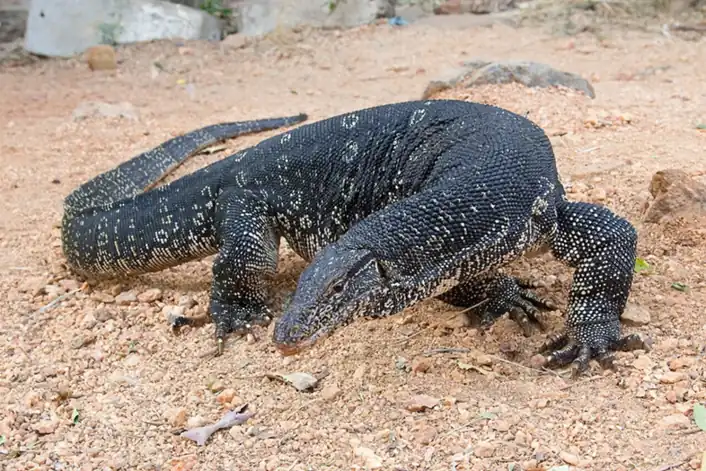
A different animal from a water monitor
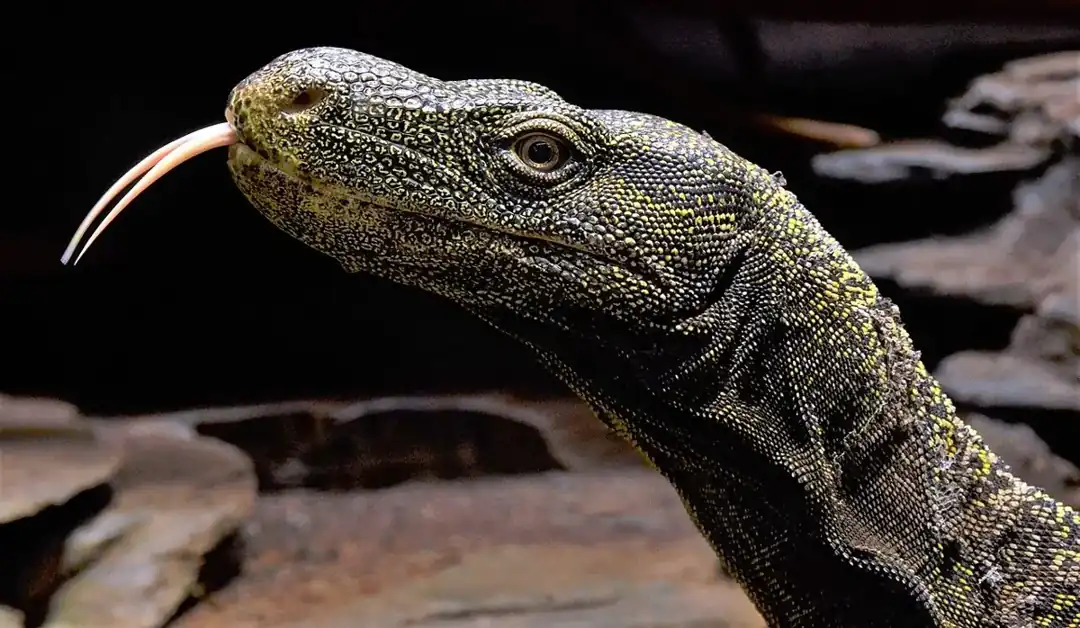
Varanus salvadorii is the crocodile monitor of New Guinea; Varanus salvator is the Asian water monitor. Check that distinction on every care document and acquisition record. Chicago Exotics describes an arboreal giant requiring adult room-scale space. This guide is for evaluating a serious specialist commitment, with independent review still pending.
Design movement and keeper access together
Provide a three-dimensional structure with substantial trunks, routes between elevated resting sites and sheltered retreats. The Chicago Exotics guide also includes bathing and digging opportunities. Draw how water, substrate and branches will be serviced once an adult occupies the habitat. A tall empty room offers little useful canopy space; accessible climbing connections determine what can actually be used.
Protected contact is part of the habitat
EAZA describes elevated shift boxes and trained transfers. Build lockable separation into the initial design so maintenance can occur behind a barrier. Manual restraint risks significant injury and belongs with trained personnel. Agree emergency transfer arrangements with your veterinarian, then keep those instructions accessible to everyone responsible for the animal.
Commission heat, light and hydration
An installation needs a reviewed thermal and UVB plan covering reachable perches, shaded retreats and water access. Log conditions at the animal’s actual resting positions, including changes across the day. Inspect every reachable electrical fitting and rehearse drainage. This introduction deliberately supplies no universal heat recipe; the full EAZA document should inform a qualified assessment of the finished facility.
Feed for activity and body condition
EAZA favors suitable smaller whole prey and body-condition checks over routinely large meals; youngsters begin with insects. Arrange suppliers, storage and a varied feeding plan before purchase. Grocery meat alone does not replicate whole prey. Record intake and use carefully planned food presentation to support movement.
Ownership needs continuity
The recurring work includes cleaning a large humid structure, maintaining water and checking the safety of elevated furniture. Reserve funds for equipment renewal and specialist veterinary access, and identify people who can safely cover absences. A replacement keeper needs written transfer cues and lock procedures. A price for the animal cannot represent the cost of this facility.
Make a shift box part of the service design
EAZA's crocodile-monitor guidelines describe elevated shift boxes and training animals to enter on cue. Have an experienced team design the box, access and locking sequence as part of the enclosure rather than adding a temporary container when major maintenance is already due. Draw which barrier is closed before the keeper enters the work area and how its status can be checked. The box must suit the individual and the period it will be occupied. Review and practise this commissioning checklist with qualified help before an adult occupies the facility. It does not provide a step-by-step training protocol.
References: EAZA — crocodile monitor best-practice guidelines, p. 76
Prepare for the day a trained transfer does not happen
A trained response is useful but should not be the only thing standing between a keeper and an unfinished urgent task. With the specialist team, identify what happens if the monitor stays on a branch, the shift-box door cannot close or equipment fails in an occupied area. Set out who may work on the enclosure, which actions require another trained person and how the veterinarian can be contacted. Rehearse the barrier and communication sequence without the animal present. These are facility-management questions prompted by EAZA's shift-box approach. They avoid assuming that an intelligent animal will cooperate every time or that an improvised manual capture is an acceptable backup.
References: EAZA — crocodile monitor managed transfers, p. 76
Review all reachable heights before signing off the habitat
Chicago Exotics emphasizes the arboreal nature and large adult facility needs of this species. Trace the climbing network from the animal's perspective and mark every point near lamps, pipes, roof fittings and door edges. Check where it can retreat while still remaining accessible for necessary inspection. Include a method for removing a soiled branch without destabilizing its neighbors. Keep photographs, measurements and service instructions together for the specialist review. The review should assess the routes and contact points within the finished structure. The resulting facility still needs a complete species-specific environmental and veterinary plan before acquisition.
References: Chicago Exotics — crocodile monitor arboreal housing
Sources & further reading
Read the full recommendations and check details for your animal, equipment, and local conditions.
- EAZA — Crocodile Monitor Best Practice Guidelines, first edition, 2021
- Chicago Exotics Animal Hospital — crocodile monitor care
Compiled September 2026. Original summaries; not individually reviewed by a veterinarian.