Independent species review: pending. Source-check date: 2026-09-05.
Report a care correction · Offer a species reviewArticle changes
- 2026-09-05 · Added scoped introduction, preparation checklist, source references and individual housing assessment; independent species review remains pending.
- 2026-09-08 · Expanded practical preparation, maintenance and observation sections, with scoped sources where applicable. This update checks the new material; independent species review remains pending.
At a glance
- Identity
- Crocodilurus amazonicus, also called jacarerana. ↗
- Field habitat
- Water margins and flooded forest; ecology does not establish captive dimensions. ↗
- Coverage boundary
- Preparation introduction; no complete captive protocol established by the cited sources. ↗
These are source-specific planning references, not enclosure certification. Identity, adult size, measuring location and the individual animal require review. Blank finder dimensions mean that a manual assessment is necessary.
Use this guide as a starting point alongside the detailed sources below. Health concerns, unexplained changes in behavior, or feeding problems belong with a reptile veterinarian.
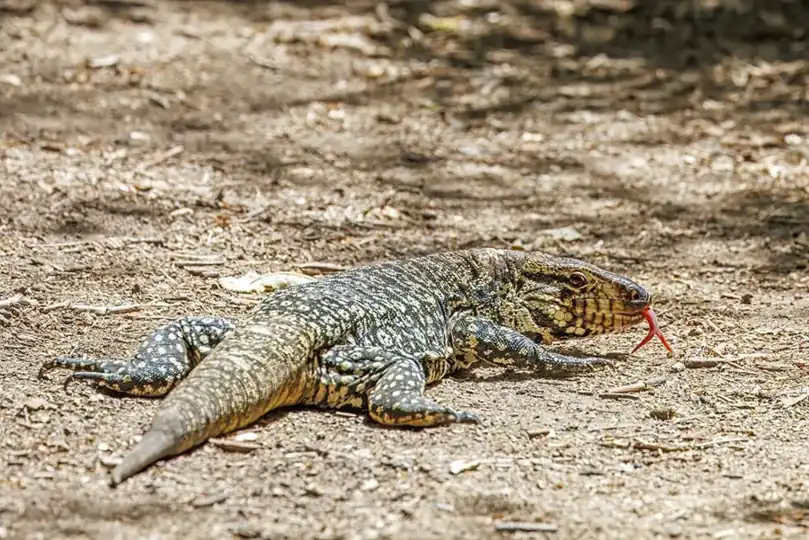
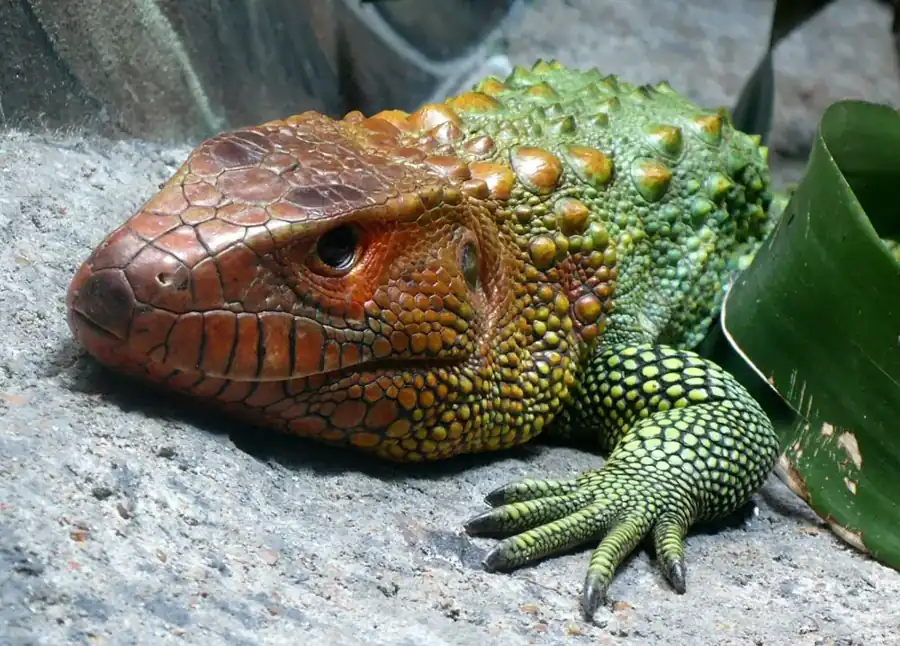
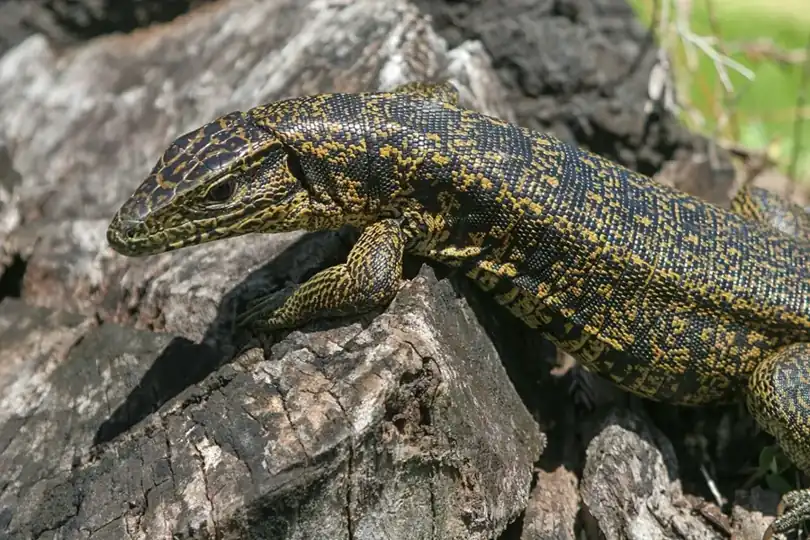
Recognize a different kind of tegu
Crocodile tegu refers here to Crocodilurus amazonicus, also called jacarerana. It is a different genus from caiman lizards and the familiar large terrestrial tegus. Nashville Zoo’s own 2024 hatching announcement emphasized how little was known about the species. This page is a preparation introduction; it does not supply a validated captive husbandry protocol.
Use field ecology to ask better questions
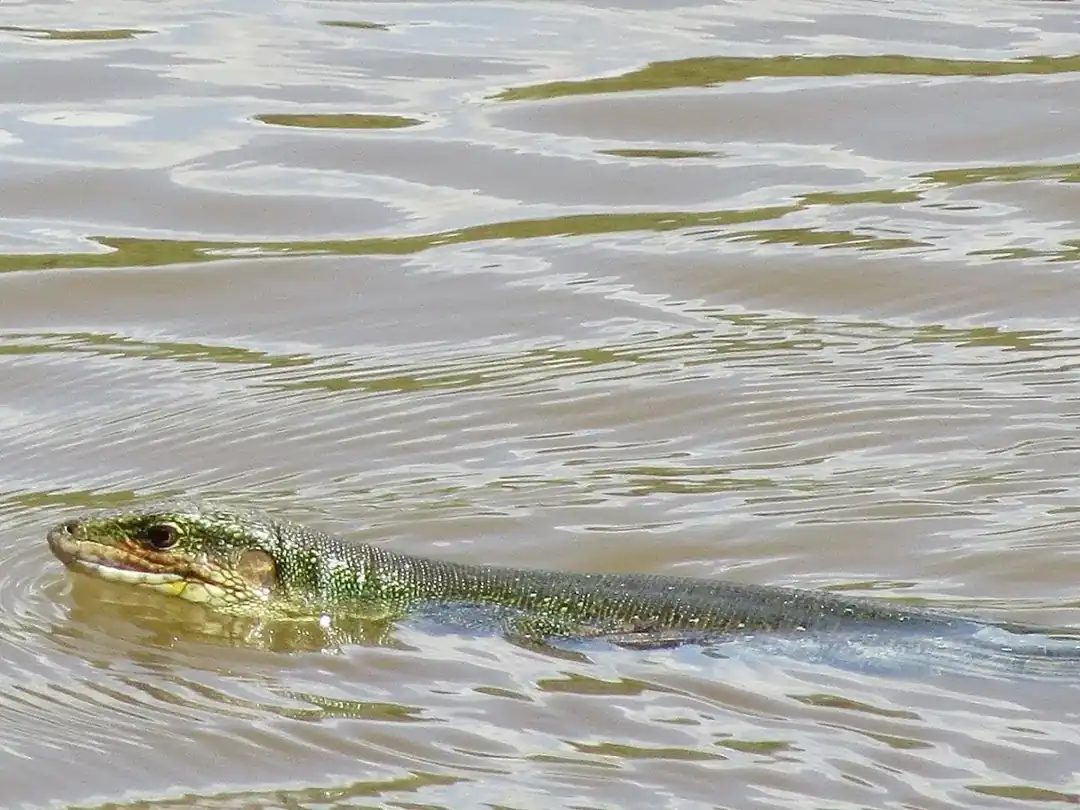
Martins’ field study documented swimming and foraging along Amazonian water margins, with animals using exposed banks and flooded forest as water levels changed. That suggests assessing both aquatic and terrestrial access in a proposed habitat. It does not establish a safe aquarium size. Ask an experienced keeper to review swimming routes, exits, resting places and the enclosure’s actual adult capacity.
Finalize climate before acquisition
The sources reviewed here do not establish a complete captive temperature, humidity or UVB schedule. Obtain a documented plan for this species from an experienced keeper and a reptile veterinarian before purchasing equipment or an animal. The plan should distinguish water temperature, basking surface, surrounding air and nighttime conditions. Record where each measurement is taken.
Make the water system maintainable
As a planning inference from the aquatic ecology, include filtration, accessible water replacement and guarded equipment in the design review. Explain how the lizard can remain secure during servicing and how it can leave the water easily. Test the system while empty and keep a maintenance record. Neither clear-looking water nor a running pump demonstrates that the system is adequately maintained.
Set a specialist ownership threshold
No supported captive lifespan range was established from these sources, so this entry gives no numerical promise. Budget for custom water-holding housing, environmental equipment, maintenance and specialist veterinary access. A prospective keeper should be able to name the experienced contact reviewing the plan and explain daily servicing before proceeding.
Turn the knowledge gap into acquisition conditions
Nashville Zoo's 2024 announcement describes successful hatching while emphasizing limited knowledge of this species. Use that context to make a pre-acquisition document with unresolved questions: a supported adult environmental plan, accepted diet, established origin, veterinary access and a facility reviewer with relevant experience. Each item needs a concrete answer before an animal arrives. A published zoo success is encouraging evidence of possibility, not proof that an ordinary home setup is ready. If essential answers cannot be obtained, postpone acquisition while continuing to research the unresolved questions.
References: Nashville Zoo — crocodile tegu hatching announcement
Translate changing water margins into design questions
Martins observed animals using exposed banks and flooded forest as river conditions changed. In a captive design review, ask whether the proposed animal can choose between swimming, accessible ground and sheltered resting without crossing hazardous equipment. Show what those routes look like at the normal water level and during a water change. Keep natural river seasonality separate from any proposal to simulate flooding indoors; the study does not validate such an experiment. These are explicitly planning inferences from field ecology. Their role is to help an experienced reviewer question a design, not to produce a minimum pool size or a home water-level schedule from observations in Amazonian habitat.
References: Marcio Martins — Crocodilurus amazonicus field ecology
Keep the first care record detailed enough to transfer
Prepare a handover record before acquisition with the animal's identification, source, previous meals, preparation methods and current body measurements. Add a diagram of the reviewed enclosure showing each sensor, refuge, water-service point and secure holding location. Record changes one at a time where practical so later advisers can interpret what happened. Keep food offered separate from food accepted, and note the source of every new dietary decision. Keep these individual records available during a change of caretaker or an equipment failure. They do not establish whether an untested diet is complete.
References: Nashville Zoo — limited crocodile tegu husbandry knowledge
Sources & further reading
Read the full recommendations and check details for your animal, equipment, and local conditions.
- Martins — primary field ecology of Crocodilurus amazonicus, Herpetological Journal
- Nashville Zoo — 2024 hatching announcement, hosted by Visit Music City
- The Reptile Database — Crocodilurus amazonicus identity
Compiled September 2026. Original summaries; not individually reviewed by a veterinarian.