
Boas
Boas
Browse named boa introductions, including separate arboreal, burrowing and giant forms.
14 care introductions in this collection
 Snakes
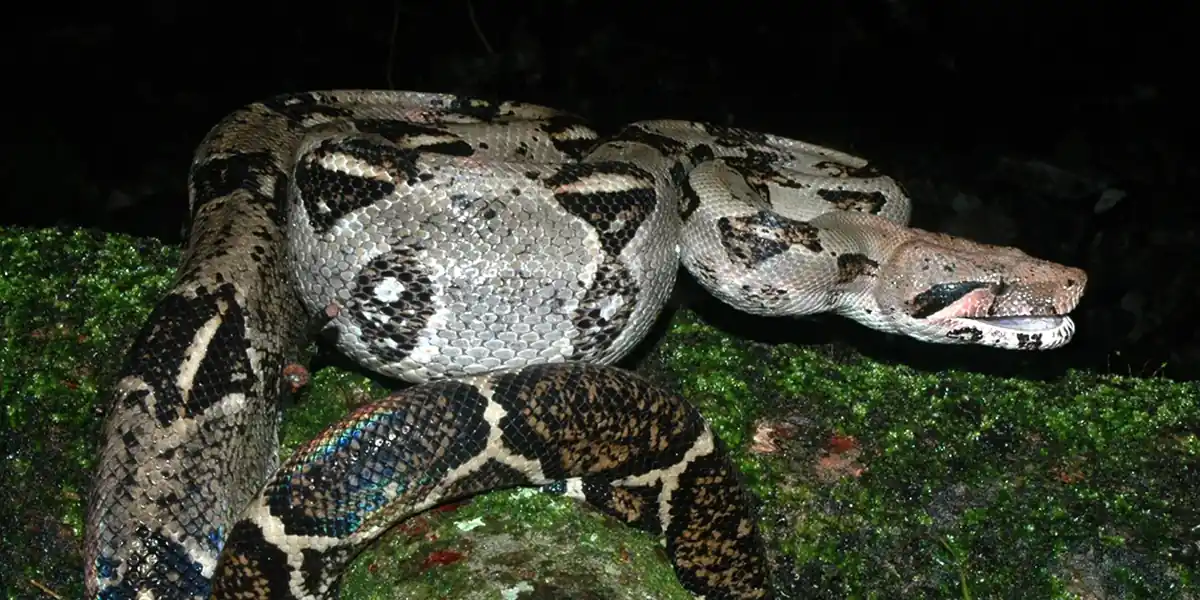
Boa imperator
Boa imperator
Boa imperator is a powerful, long-lived snake whose adult space and handling requirements need careful planning.
Species introduction · Experienced keeper
A commitment measured in decades; 40+ years is possible
 Snakes
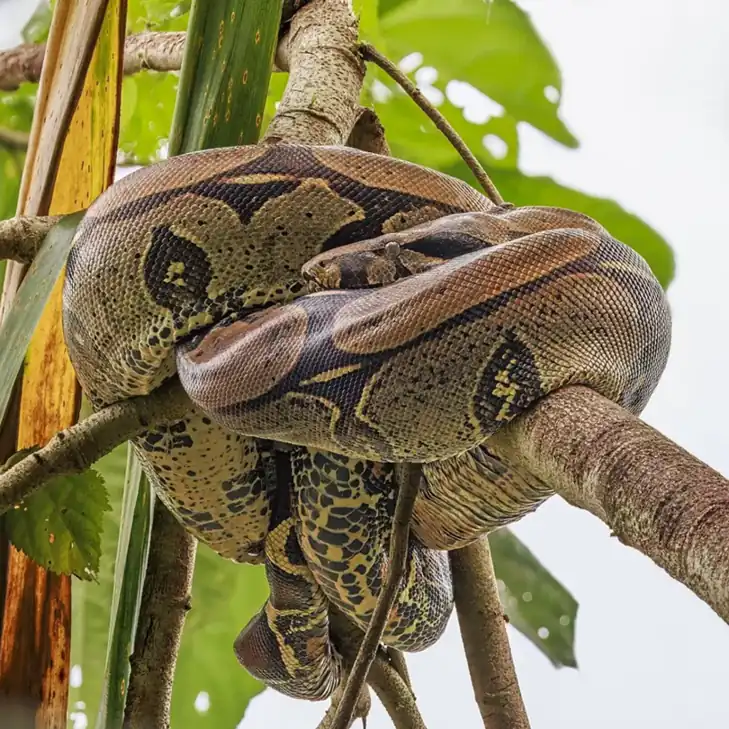
True boa constrictor
Boa constrictor
This introduction covers true Boa constrictor separately from Boa imperator and explains the uncertainty around locality and adult size.
Species introduction · Experienced keeper
Long-term commitment; no reliable lifespan range selected for this introduction
 Snakes
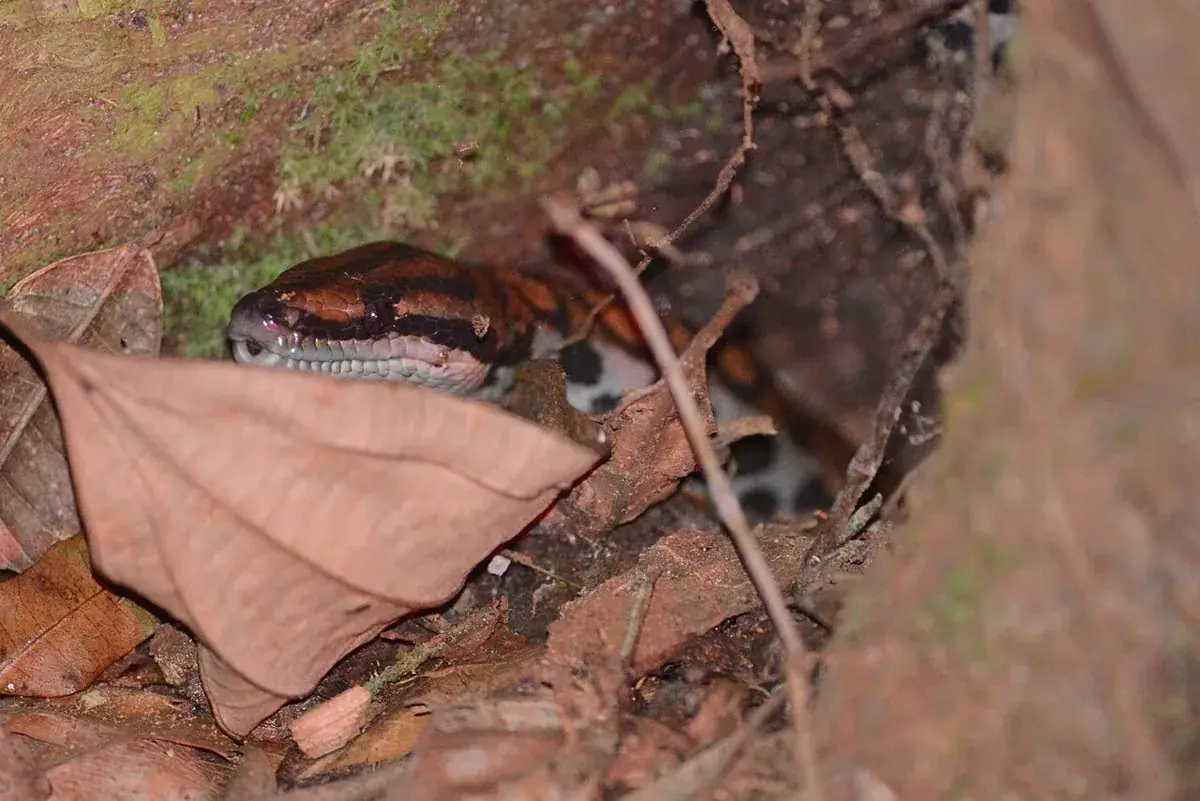
Brazilian rainbow boa
Epicrates cenchria
Brazilian rainbow boas have iridescent scales and need reliable moisture, restrained heating and useful ground cover.
Species introduction · Experienced keeper
20 years reported by Smithsonian; longer reported by care sources
 Snakes
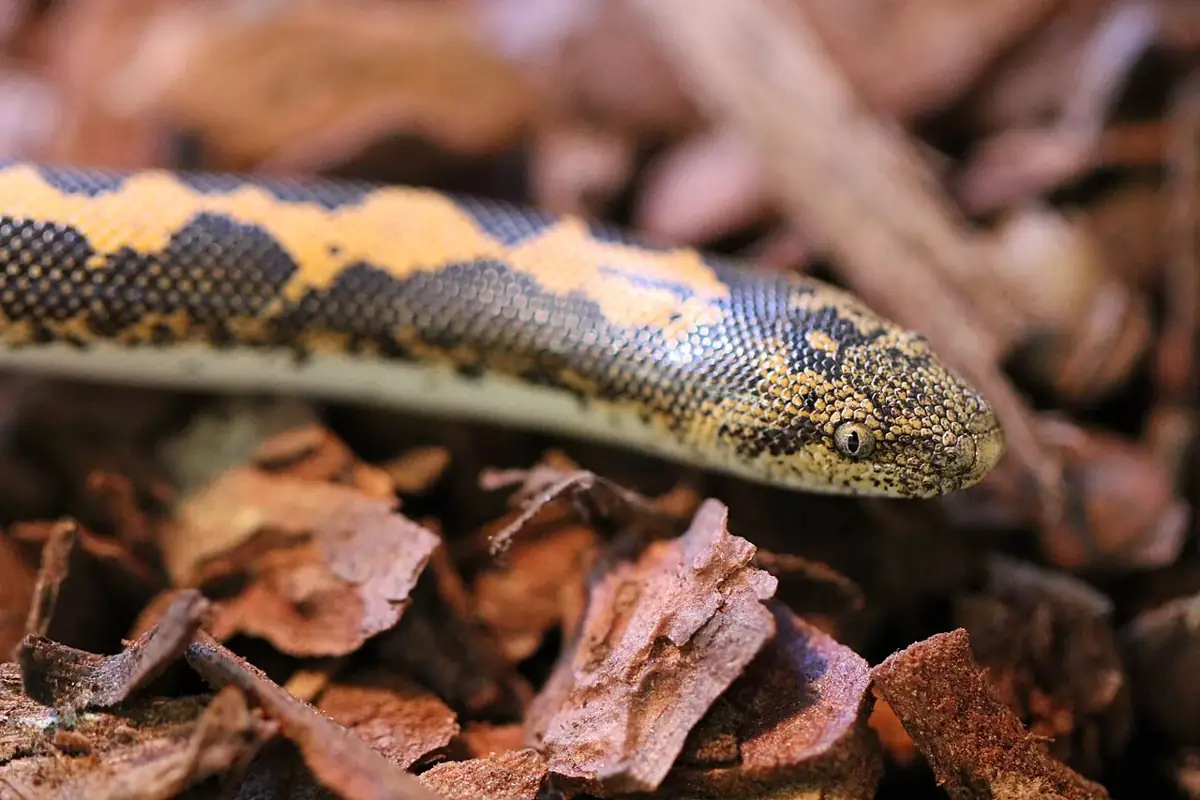
Kenyan sand boa
Eryx colubrinus
Kenyan sand boas are small burrowing snakes that suit keepers who are comfortable with quiet observation and an animal that often stays hidden.
Species introduction · Some experience
15–30 years in protected care reported
 Snakes
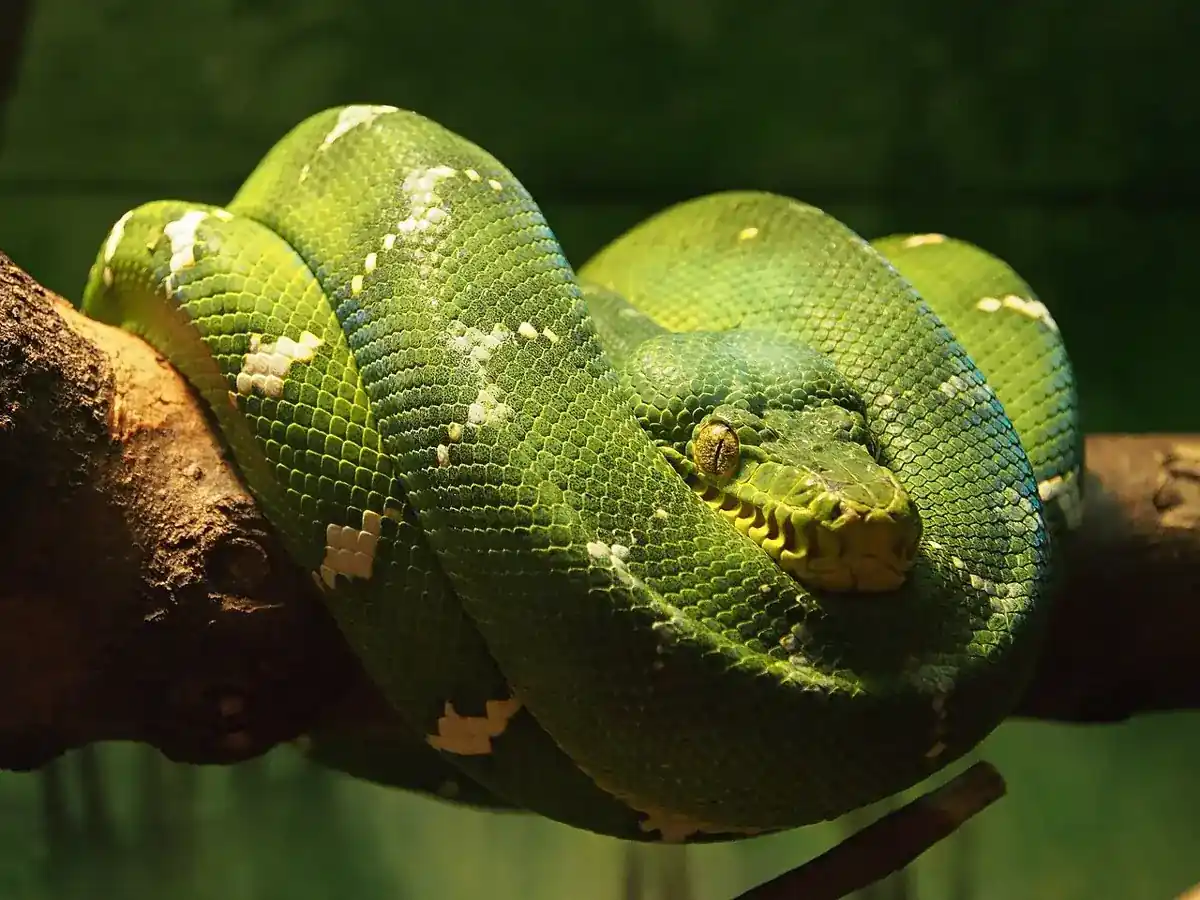
Northern emerald tree boa
Corallus caninus
Northern emerald tree boas need specialist care, including a suitable perch network, moisture cycle and feeding record.
Species introduction · Experienced keeper
25+ years possible
 Snakes
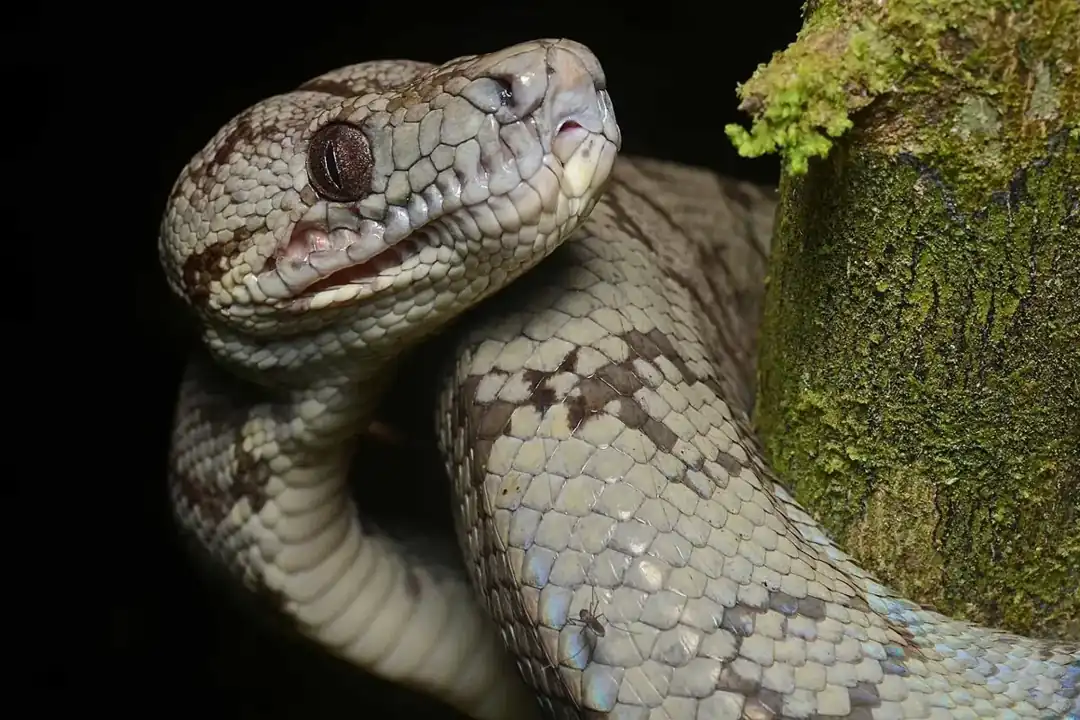
Amazon tree boa
Corallus hortulanus
Amazon tree boas are suited to observation, and their enclosures need a usable branch network and safe maintenance access as well as display height.
Species introduction · Experienced keeper
20+ years reported by Chicago Exotics
 Snakes
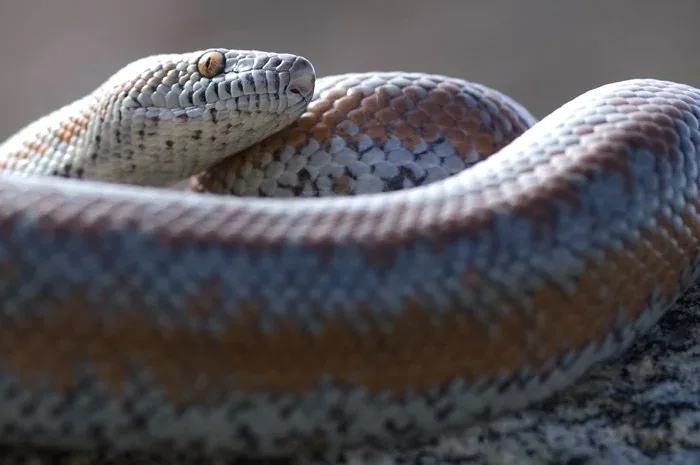
Rosy boa
Lichanura spp.; identify species and locality
Rosy boas move slowly, and their locality, adult size and seasonal care need careful planning.
Group introduction · Experienced keeper
20–30 years reported
 Snakes
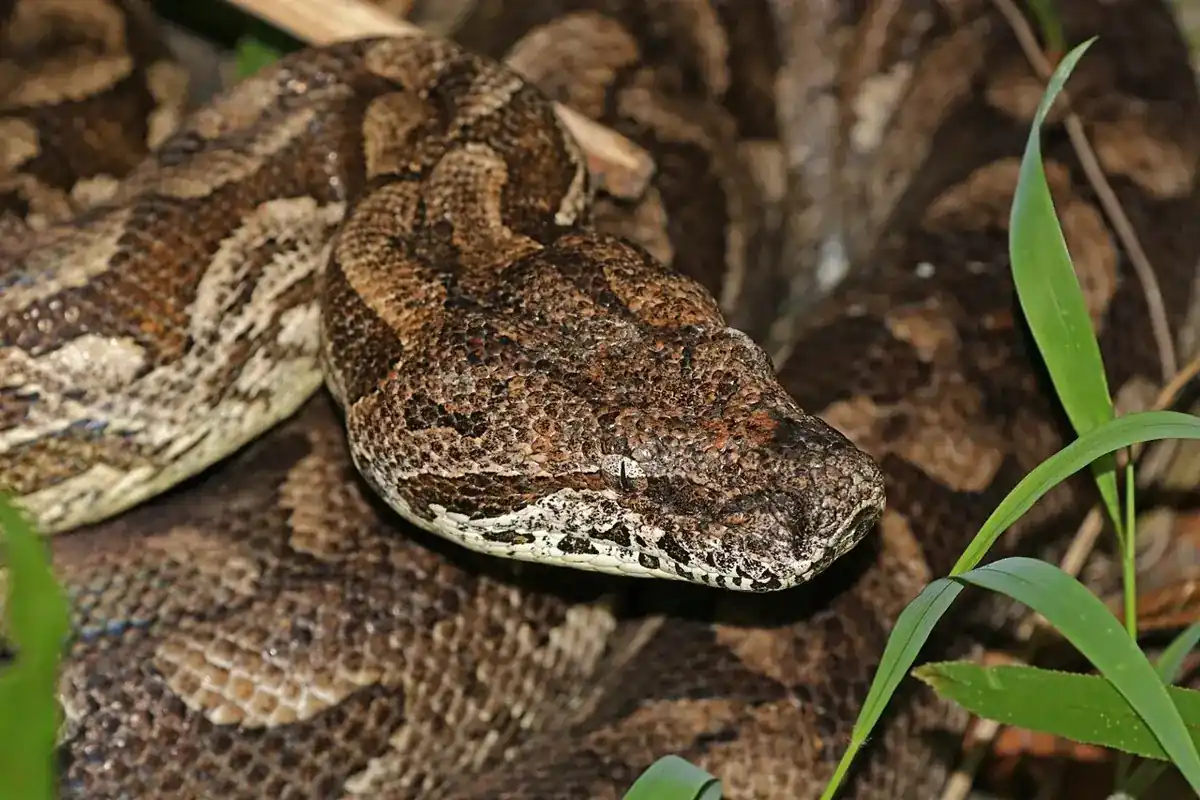
Dumeril’s boa
Acrantophis dumerili
Dumeril’s boas are heavy-bodied Madagascan snakes that need floor space, deep cover and measured environmental conditions.
Species introduction · Experienced keeper
Around 20 years possible; individual lifespan varies
 Snakes
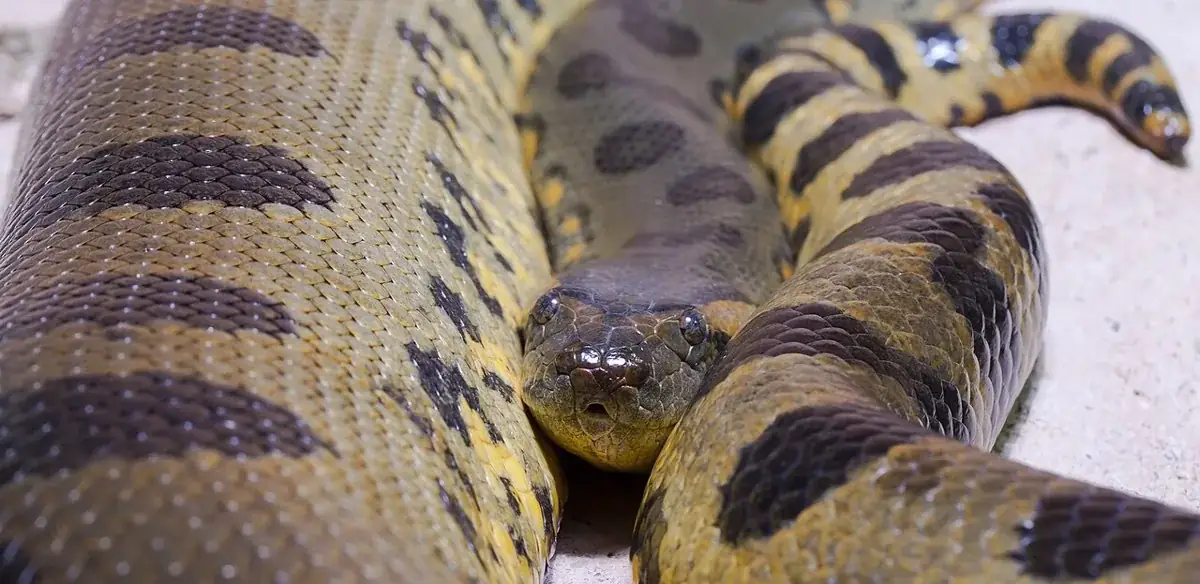
Anacondas
Eunectes spp.
This group introduction explains why anacondas need species identification and a complete land-and-water facility plan.
Group introduction · Experienced keeper
Potentially decades; late twenties reported for some green anacondas
 Snakes
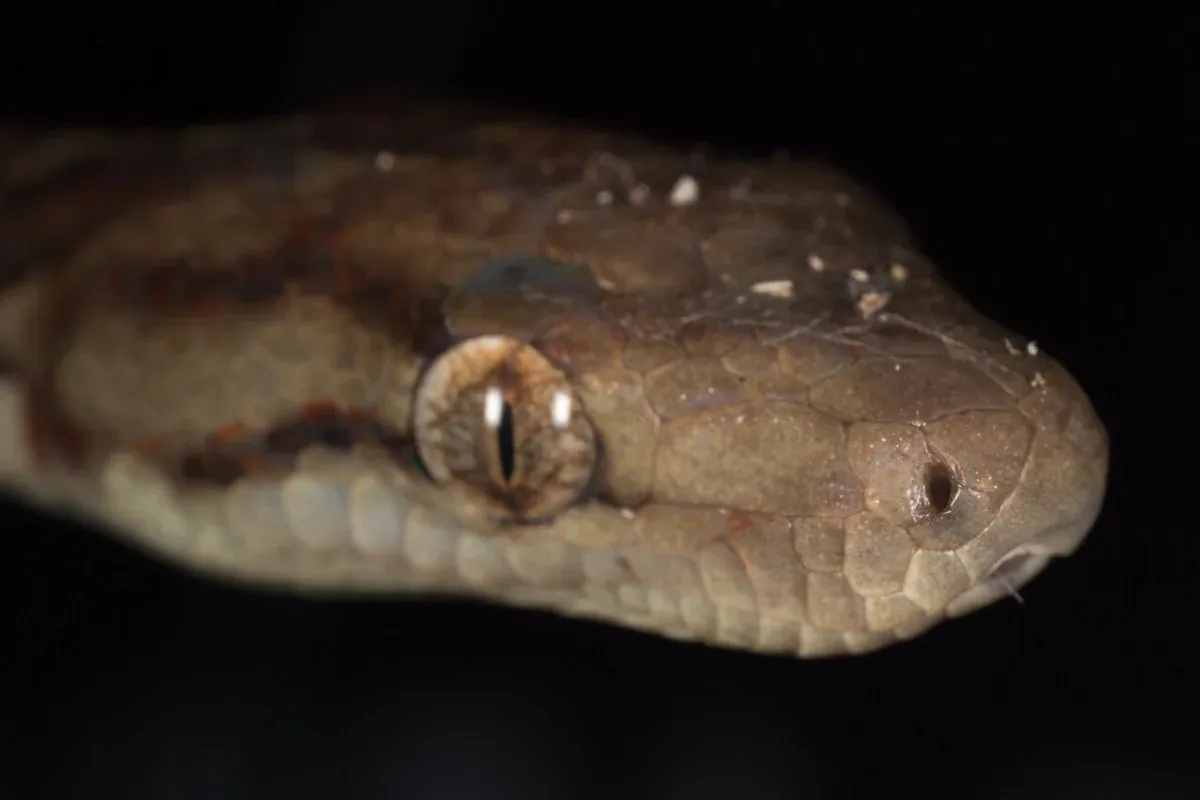
Hispaniolan boa
Chilabothrus striatus
This Hispaniolan boa introduction covers climbing space, established juvenile feeding and usable care records.
Species introduction · Experienced keeper
Long-term commitment; no reliable lifespan range selected for this introduction
Parent taxa picturedHybrid boas
Boa crosses; documented parentage varies
This guide covers ancestry and welfare planning for boa crosses, whose care must be assessed individually.
Group introduction · Experienced keeper
Long-term commitment; no reliable lifespan range selected for this introduction
 Snakes
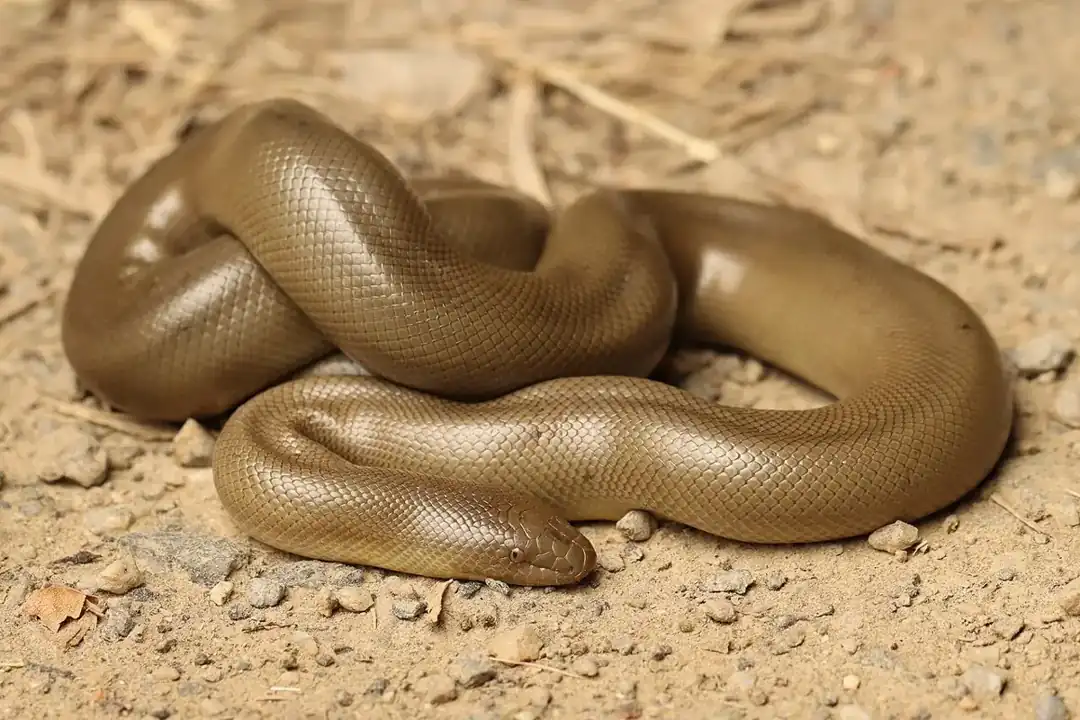
Northern rubber boa
Charina bottae
Northern rubber boas are cool-adapted, secretive snakes whose heat control, escape security and established feeding need particular attention.
Species introduction · Experienced keeper
Long-term commitment; no reliable lifespan range selected for this introduction
 Snakes
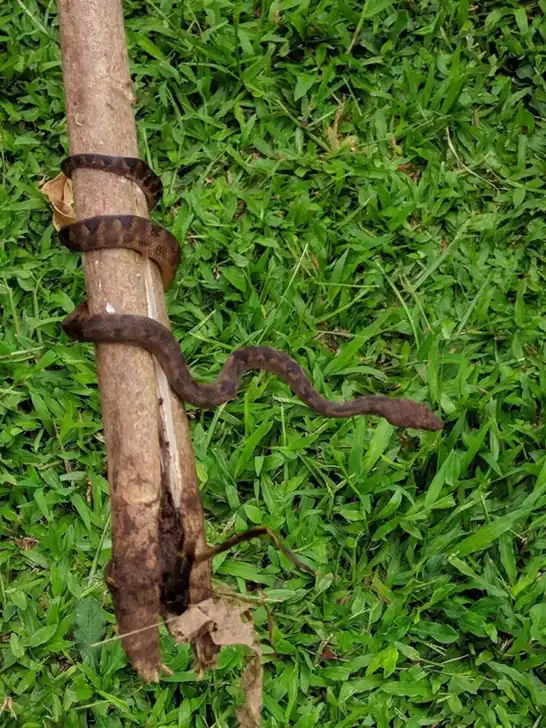
Solomon Island boas
Candoia paulsoni and Candoia bibroni
This group introduction distinguishes Solomon Island ground boas from tree boas before any care plan is selected.
Group introduction · Experienced keeper
Long-term commitment; no reliable lifespan range selected for this introduction
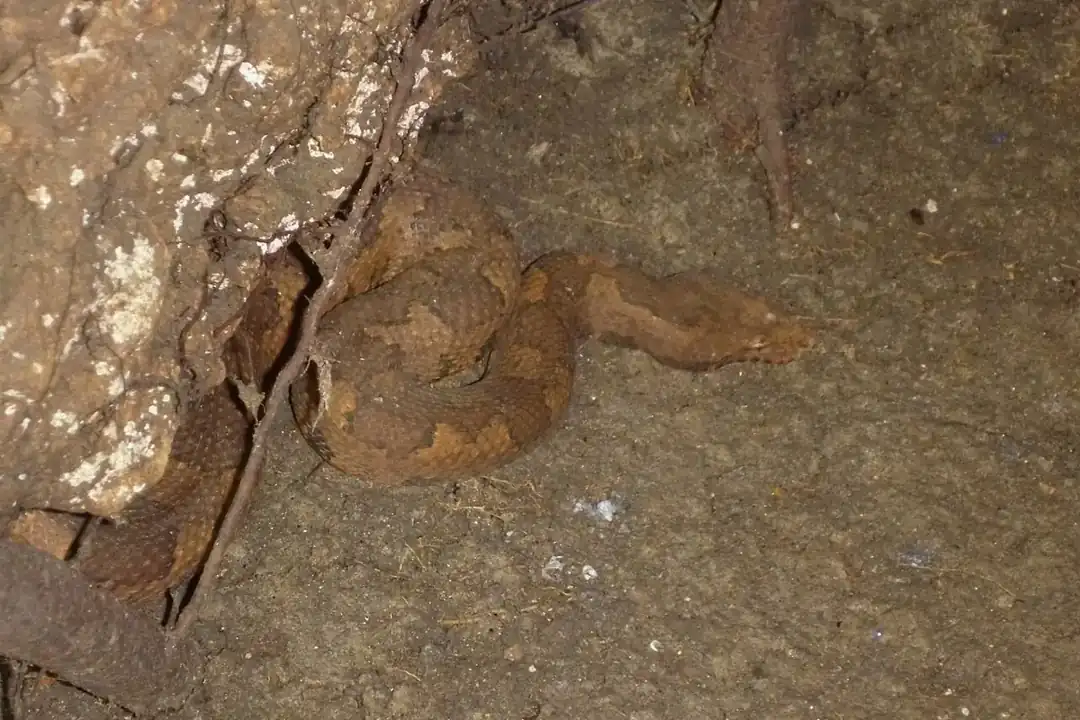 Snakes
Viper boa
Candoia aspera
Viper boas are secretive New Guinea ground boas with specific water, cover and feeding-history requirements.
Species introduction · Experienced keeper
Long-term commitment; no reliable lifespan range selected for this introduction
Check the guide before planning a setup.
Open the matching introduction to check its scope, follow its sources and start the animal’s setup checklist. Specialist entries explain what still needs individual assessment.