Independent species review: pending. Source-check date: 2026-09-05.
Report a care correction · Offer a species reviewArticle changes
- 2026-09-05 · Added a scoped introduction with verified sources, practical checks and ownership planning.
- 2026-09-05 · Aligned the displayed experience level with the finder’s classification.
- 2026-09-08 · Expanded practical preparation, maintenance and observation sections, with scoped sources where applicable. This update checks the new material; independent species review remains pending.
At a glance
- Scope
- Acrantophis dumerili; excludes the Madagascar ground boa. ↗
- Housing
- Editorial planning decision: individual enclosure assessment; no automatic size preset. ↗
This is an introductory planning guide. Sources describe particular animals and methods; they do not certify an enclosure, temperament or veterinary fitness.
Use this guide as a starting point alongside the detailed sources below. Health concerns, unexplained changes in behavior, or feeding problems belong with a reptile veterinarian.
Identify the boa and its adult needs
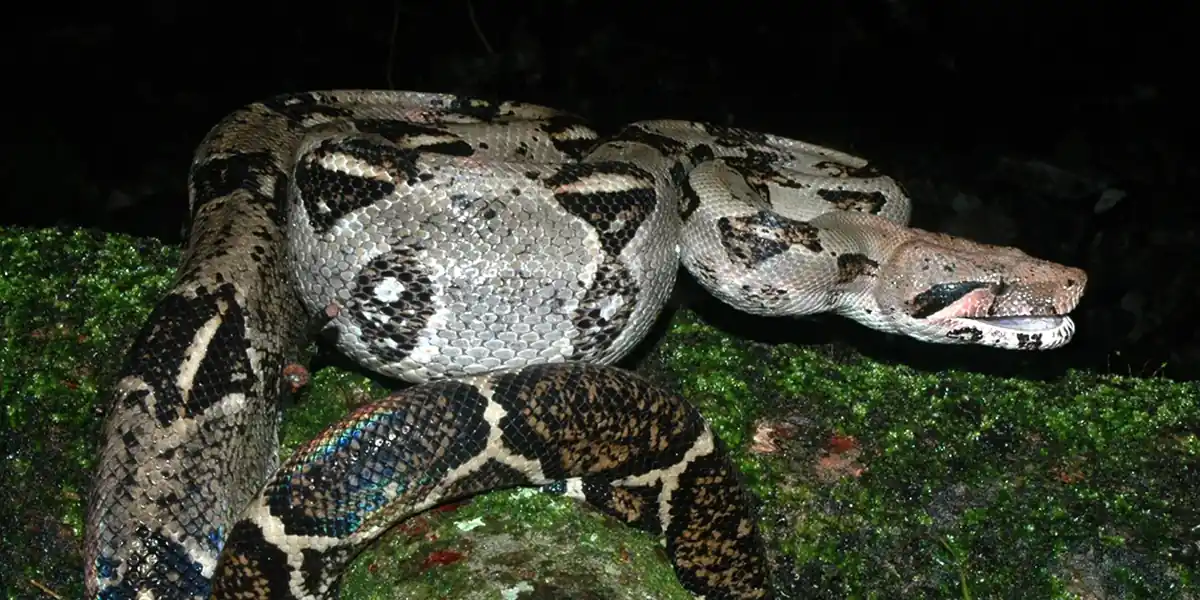
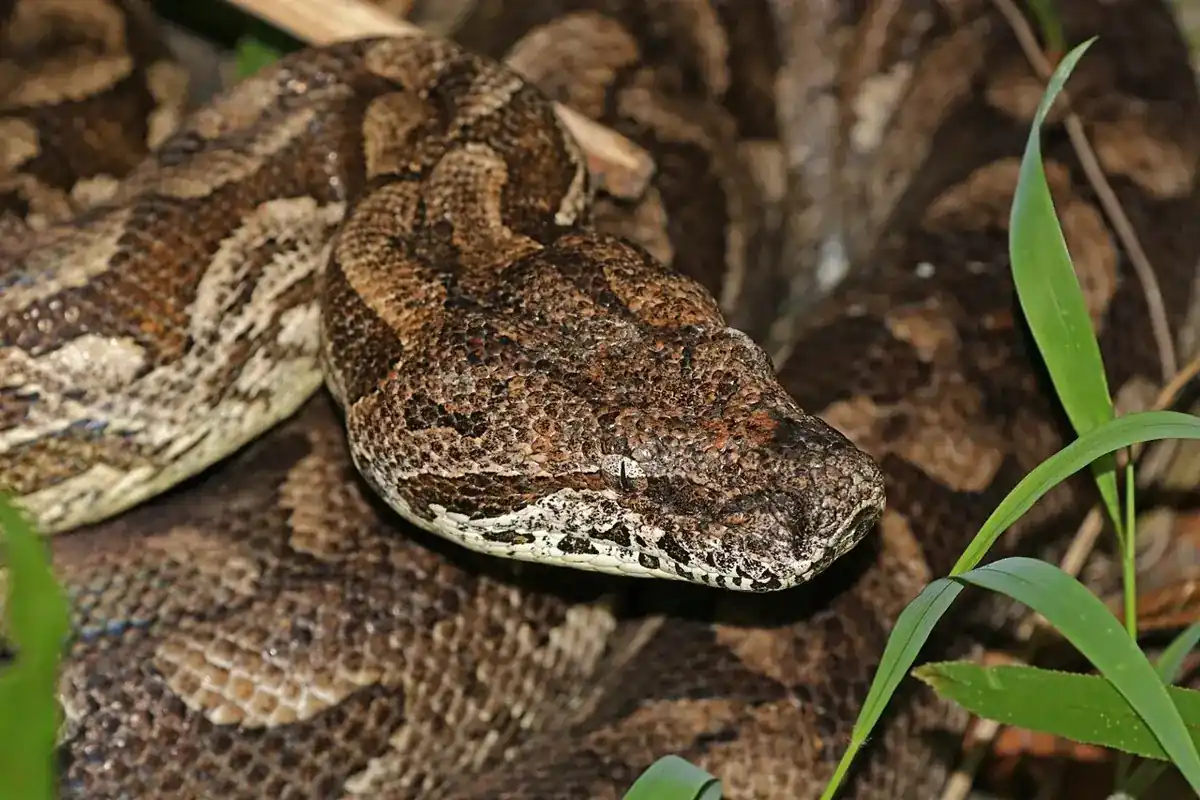
Dumeril’s boa is Acrantophis dumerili, a predominantly terrestrial snake from southwestern Madagascar. It is a different species from the Madagascar ground boa. ReptiFiles describes considerable adult size variation, so inspect the parents’ records when available and plan around the individual’s eventual length and body mass. A manageable youngster still needs an adult housing plan.
Make the floor useful
Provide room for full extension, turning and movement between covered areas. ReptiFiles recommends substantial burrowing substrate and leaf litter. Our practical addition is to design accessible hides that remain stable when the boa pushes beneath them. Measure usable floor area after furnishing; a bulky water bowl and decorative rockwork can consume much of an enclosure.
Separate warm air from cool retreat
ReptiFiles’ reference gives warm basking-area air around 30–31°C and a cool area of 21–24°C. Those are different measurement positions, not one thermostat setting for the whole enclosure. Use protected, controlled heating and independent probes. Commission lighting with shaded retreat available and record the actual installation instead of choosing exposure from a bulb percentage alone.
Moisture without a permanently wet floor
The same reference describes average relative humidity around 40–60%, with natural variation. Check conditions near the snake and under cover as well as in open air. Provide clean drinking water and inspect buried substrate for contamination. Dry-country origin does not mean eliminating moisture; equally, repeated soaking of the entire floor removes the animal’s drier choices.
Keep meals and contact deliberate
Obtain the established whole-prey diet and meal record before arrival. ReptiFiles discusses prey variety; changes should be planned around body condition and reliable feeding, rather than rapid growth. Support the substantial body during necessary handling and avoid pulling the tail. Give a recently fed animal quiet time and keep cleaning equipment separate during its arrival assessment.
Budget for the adult years
Chicago Exotics reports that these boas can reach twenty years in captivity. Our ownership plan therefore includes replacement heating equipment, continuing veterinary access, a substantial enclosure and enough substrate for routine renewal. A holiday carer must be comfortable checking a heavy snake without unnecessary handling. Save adult measurements and update the enclosure plan as the animal grows.
Plan the adult while growth still looks gradual
Chicago Exotics describes Dumeril's boas as substantial, slow-growing animals. That makes an adult-space plan useful long before the juvenile enclosure appears crowded. Keep current measurements, documented parent information where available and the expected installation route with the animal's profile.
Place the largest hides and water vessel on a scaled drawing before judging the usable floor. Include how the whole body can extend and turn around the furnishing. Set a planned review date and list equipment that will need replacing as the boa grows. Use the time provided by slow growth to prepare permanent housing.
References: Chicago Exotics Animal Hospital — Dumeril's boa growth and housing
Make the concealed floor easy to maintain
For a leaf-litter or burrowing layout, identify how each retreat and the substrate beneath it can be inspected. Keep heavy furnishings on secure supports and make decorative cover removable. Photograph those supports before adding substrate so the arrangement can be restored during a major clean.
During routine care, note recurring wet spots near the bowl or waste beneath a particular shelter. Record any layout change and recheck the occupied temperature positions afterward. A natural-looking floor can be useful cover while remaining a managed environment. The practical measure of success is whether you can maintain it consistently without dismantling the entire habitat or repeatedly exposing the boa for unnecessary inspection.
Keep meal history and adult handling needs together
Write the established prey type and last successful meal on the care handoff, with refusal recorded separately. Keep comparable weights and body photographs beside the feeding timeline. An incoming carer should be able to see whether the routine is for a growing youngster or an established adult.
Add the secure temporary holding arrangement and who can provide experienced assistance for a necessary transfer. Confirm the veterinary practice and transport container before they are urgently needed. When the feeding plan changes, save the reason and the professional advice received.
Sources & further reading
Read the full recommendations and check details for your animal, equipment, and local conditions.
- ReptiFiles — Dumeril’s boa identity and long-term care
- ReptiFiles — Dumeril’s boa light, heat and humidity
- ReptiFiles — Dumeril’s boa substrate
- ReptiFiles — Dumeril’s boa feeding
- ReptiFiles — Dumeril’s boa handling
- Chicago Exotics Animal Hospital — Dumeril’s boa care
Compiled September 2026. Original summaries; not individually reviewed by a veterinarian.