Independent species review: pending. Source-check date: 2026-09-05.
Report a care correction · Offer a species reviewArticle changes
- 2026-09-05 · Added a scoped introductory guide with sources, commitment and ownership planning.
- 2026-09-05 · Aligned the displayed experience level with the finder’s classification.
- 2026-09-08 · Expanded practical preparation, maintenance and observation sections, with scoped sources where applicable. This update checks the new material; independent species review remains pending.
At a glance
- Scope
- Lichanura group; verify the species and locality. ↗
- Housing
- Adult size varies; individual assessment required. ↗
Planning references apply only to the species and life stage described. They do not certify an enclosure, temperament or veterinary fitness.
Use this guide as a starting point alongside the detailed sources below. Health concerns, unexplained changes in behavior, or feeding problems belong with a reptile veterinarian.
Resolve the label first
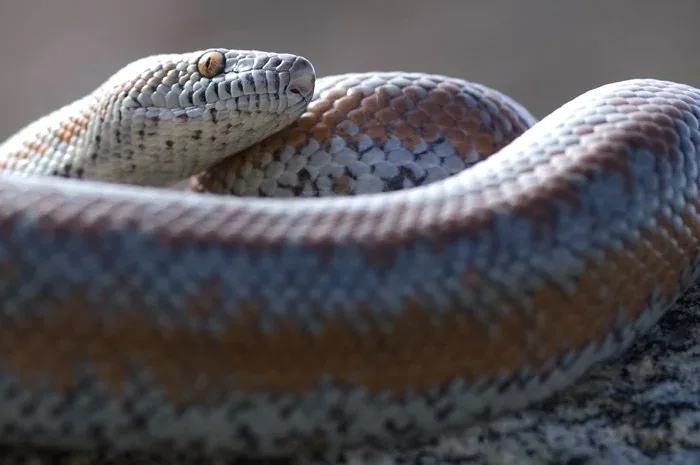
Rosy boa is a group label here. The Reptile Database lists Lichanura orcutti and Lichanura trivirgata, while some care literature uses older combinations. Keep the seller’s scientific name and locality with your records. This page offers shared preparation guidance, not a claim that every population has identical seasonal needs. A locality animal and an undocumented cross should not be presented as the same provenance.
Build around the adult length
ReptiFiles explicitly varies housing with expected adult size rather than assigning every rosy boa the same box. Provide room for full extension, useful width, snug retreats and secure low climbing opportunities. The finder leaves this group for individual assessment. Before buying, measure the space after furniture is installed; a hide that occupies most of the floor can remove the movement the enclosure dimensions appeared to promise.
Provide stable rocky cover
Happy Hollow describes animals sheltering in crevices and abandoned burrows, with activity shifting according to conditions. Stable cover is central to the setup. Support decorative stones independently of loose substrate and leave concealed routes between retreats. Daytime concealment beneath a rock can be normal behavior. Quiet observation near its normal active period is more informative than repeated uncovering.
Heat, light and moisture choices
ReptiFiles gives a basking-surface reference of 29–32°C (85–90°F), with a cooler retreat. Use thermostatic control and verify surfaces separately from hide air. Install daytime lighting and shaded UVB access according to the fixture’s measured distance. Keep the general enclosure dry and ventilated while providing water and a suitable humid refuge. Do not withhold drinking water to make the habitat look more desert-like.
Meals and seasons
The Los Angeles Zoo notes small mammals in the wild and commercially supplied mice in human care. Obtain the animal’s established prey and meal history, then track suitable thawed whole prey, weight and refusals. Happy Hollow describes winter brumation in nature, but that observation is not a do-it-yourself cooling schedule. Establish any seasonal changes with experienced guidance for the particular animal and its health.
A small boa can span decades
The Los Angeles Zoo reports 20–30 years. Our standard budget includes heating control, adult housing, replacement lighting, prey and veterinary reserve. Save the locality and seasonal decisions beside the care log so they survive a change of keeper. Avoid confusing gentle movement with guaranteed handling tolerance; respect retreating behaviour and give the body steady support.
Make a rocky habitat easy to inspect
Chicago Exotics describes rosy boas using rocky crevices and spending time beneath substrate. A practical display can offer that concealment while keeping the shelters removable. Avoid a permanent rock arrangement whose interior you cannot inspect or clean.
On the enclosure drawing, mark which pieces support weight and which are removable cover. Keep the support structure separate from material the snake can displace. Photograph the completed arrangement before adding substrate, then save the image with the build plan. During maintenance, check that accessible gaps still permit the animal to enter and leave without becoming wedged. Keep access to the crevice for inspection and cleaning.
References: Chicago Exotics Animal Hospital — rosy boa shelter and burrowing
Keep a seasonal record before making seasonal changes
Log meals, refusals, comparable weights, room conditions and the lighting schedule across the year. Distinguish a pattern documented in this animal from a seasonal explanation suggested by someone else's snake. Record recent handling or enclosure changes as well, because they can complicate interpretation.
When appetite changes, bring this history to an experienced reptile veterinarian rather than inventing a cooling program from a calendar. A notebook should preserve uncertainty: no meal accepted is a fact, while seasonal fast is a possible explanation. Keep instructions for a carer explicit about the current plan and who to contact before adjustments. A written history makes a conversation more useful than a list of guessed causes.
Plan and budget for usable floor space
Place the planned hides and water vessel on a scaled floor drawing, then check the remaining room for full extension and turning. Use the current snake's measurements and documented identity, allowing for growth. A short, thick-bodied boa can lose much of its usable area to oversized ornaments.
List the future replacements for shelters, heat controls, measuring equipment and secure transport. Keep any locality records with the plan instead of choosing a climate from a colour morph. Ask a backup keeper to walk through a water change and a door check while the enclosure is empty. Revise awkward details before daily care turns them into recurring problems.
Sources & further reading
Read the full recommendations and check details for your animal, equipment, and local conditions.
- ReptiFiles — locality-sensitive rosy boa housing and care
- Los Angeles Zoo — diet and lifespan
- Happy Hollow Park and Zoo — cover and seasonal behaviour
- The Reptile Database — Lichanura species
- Chicago Exotics Animal Hospital — rosy boa shelter and burrowing
Compiled September 2026. Original summaries; not individually reviewed by a veterinarian.