Independent species review: pending. Source-check date: 2026-09-05.
Report a care correction · Offer a species reviewArticle changes
- 2026-09-05 · Added a scoped introduction with verified sources, practical checks and ownership planning.
- 2026-09-05 · Aligned the displayed experience level with the finder’s classification.
- 2026-09-08 · Expanded practical preparation, maintenance and observation sections, with scoped sources where applicable. This update checks the new material; independent species review remains pending.
At a glance
- Scope
- Boa constrictor, especially documented South American B. c. constrictor; excludes B. imperator. ↗
- Housing
- Editorial planning decision: individual enclosure assessment; no automatic size preset. ↗
This is an introductory planning guide. Sources describe particular animals and methods; they do not certify an enclosure, temperament or veterinary fitness.
Use this guide as a starting point alongside the detailed sources below. Health concerns, unexplained changes in behavior, or feeding problems belong with a reptile veterinarian.
Separate true boas from Boa imperator
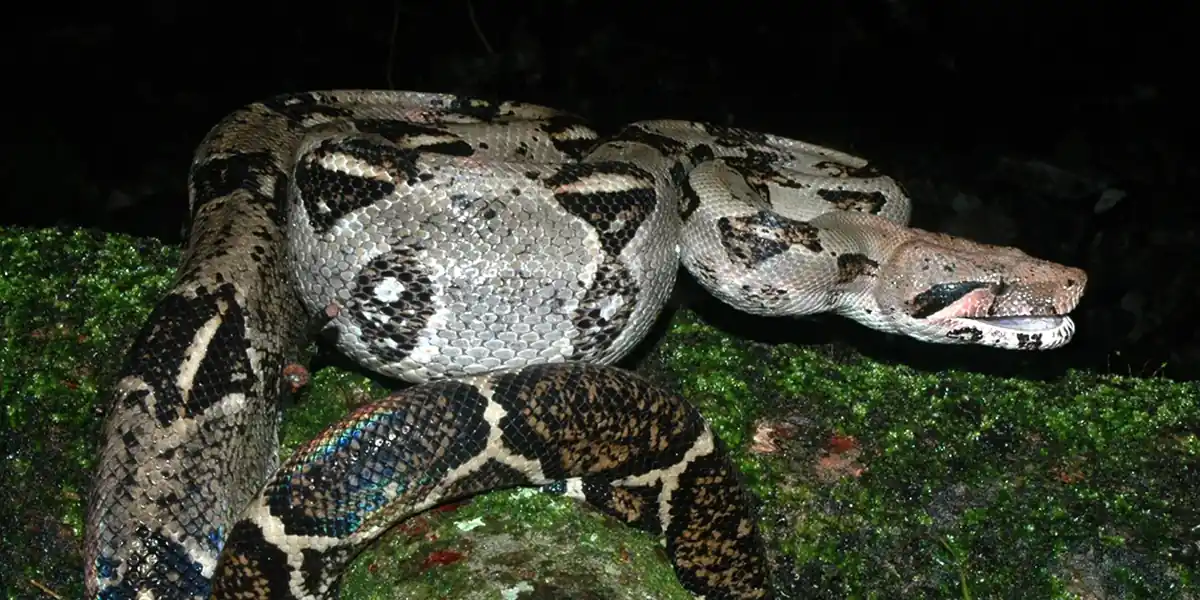
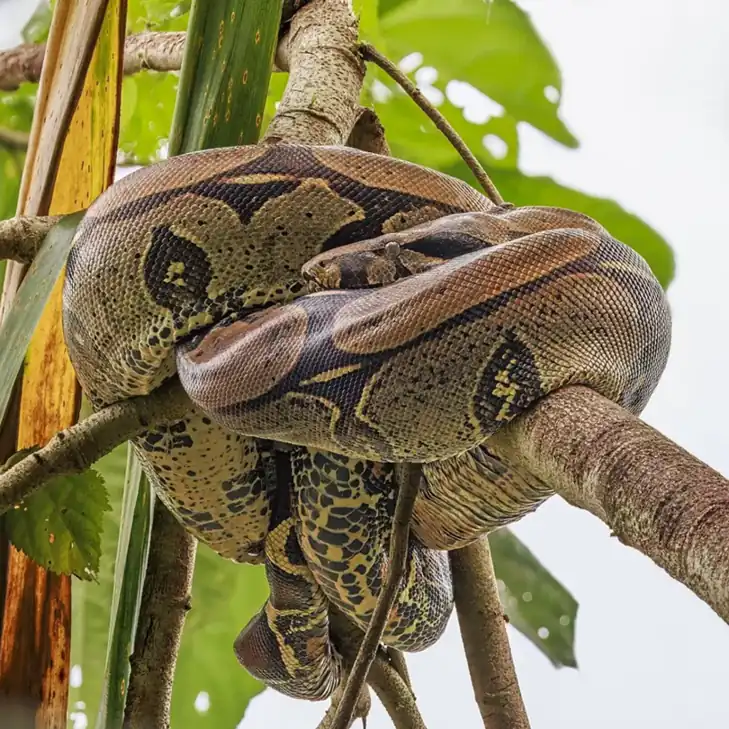
This entry covers Boa constrictor, focusing on the South American nominate form commonly described as a true red-tailed boa, including documented Guyana and Suriname lines. The Reptile Database distinguishes B. imperator as a separate species. Other recognised forms and localities need their own assessment; a red tail or an older sales label does not establish identity.
Plan around the individual adult
The Reptile Supply account distinguishes true red-tailed boas from smaller boa forms and discusses substantial adult size. Ask for reliable parent records, age and current measurements, then assess a secure adult enclosure with useful length, depth and climbing opportunities. Our finder leaves dimensions unset because an example for Boa imperator should not automatically become this individual’s adult housing limit.
Support a heavy exploring snake
Melissa Kaplan’s care account stresses stable furnishings that cannot topple or crush a boa. Provide secure shelters, supported branches and serviceable water access. Our layout review checks what happens when the full adult body pushes against fixtures. A decorative branch that holds a juvenile or an empty water bowl may be inadequate once the animal and equipment are heavier.
Confirm conditions for the identified form
Use an experienced keeper and reptile veterinarian to review conditions for the documented form and the animal’s history. Measure warm and cooler areas at useful resting positions, protect controlled heating and retain shaded retreat. Record light installation details and actual exposure. Geographic origin is context for a plan, not permission to copy an outdoor weather report into the enclosure.
Document feeding and body condition
The care sources discuss whole-prey feeding; obtain the current animal’s accepted prey, preparation and recent meal history. Our planning priority is steady condition monitoring instead of trying to produce the largest boa quickly. Include weight trends, sheds and feeding outcomes in the record, and arrange professional assessment for repeated regurgitation, weight loss or other concerning changes.
Fund a substantial long-term commitment
This introductory scope does not assign a reliable lifespan range for every Boa constrictor form. Plan for long-term housing, replacement equipment, large prey storage and experienced veterinary support. Confirm that another capable person can care for the adult during absence. Preserve identity and locality evidence with the care record so a future keeper does not inherit an undocumented generic boa label.
Ask what supports the red-tailed identification
Keep Boa constrictor separate from Boa imperator in the animal's profile, preserving the breeder's original label and any later expert identification. Request locality and parental records where available, with uncertain claims clearly marked. A red tail in a photograph should not become a complete provenance statement.
When reviewing older boa care material, note whether the author used Boa constrictor broadly or described the documented South American form relevant here. Record the source scope alongside the advice. This prevents useful general information from silently supplying a climate or size promise it never established. The record should travel with the animal so a later keeper can understand the evidence rather than inherit only a trade name.
Review structural strength together with adult service access
Map supports for the adult's body, large hides and the full water vessel. Check that the arrangement leaves usable extension and turning room after furnishing. Include access to the rear corners and a secure way to separate the animal from a major cleaning job.
Measure the route for removing long branches and moving the largest equipment through the room. Ask an experienced boa keeper to review the operating plan and obtain appropriate structural help for custom construction. Photograph the support arrangement before adding substrate or decorative cover. A future repair should not depend on guessing what holds the build together. The practical adult habitat includes containment, service access and transport as well as an attractive display.
Keep a clear condition record across slower adult growth
Use comparable weights, dated body photographs and actual prey sizes to document the transition from juvenile growth to adult maintenance. Record the reason when the feeding plan changes, including any veterinary advice. Do not use maximum attainable size as a target for rapid feeding.
Place the last successful meal and the current agreed routine on the care handoff, with refusals and regurgitation kept as distinct events in the history. Add the receiving veterinarian, suitable transport container and experienced assistance available if needed. An informed new carer should see both what to do now and the evidence behind the routine.
Sources & further reading
Read the full recommendations and check details for your animal, equipment, and local conditions.
- The Reptile Database — Boa constrictor taxonomy and distribution
- Reptile Supply — distinguishing and caring for boa constrictor forms
- Melissa Kaplan — boa constrictor care and stable furnishings
Compiled September 2026. Original summaries; not individually reviewed by a veterinarian.