Independent species review: pending. Source-check date: 2026-09-05.
Report a care correction · Offer a species reviewArticle changes
- 2026-09-05 · Added a scoped introductory guide with sources, commitment and ownership planning.
- 2026-09-05 · Aligned the displayed experience level with the finder’s classification.
- 2026-09-08 · Expanded practical preparation, maintenance and observation sections, with scoped sources where applicable. This update checks the new material; independent species review remains pending.
At a glance
- Scope
- Brazilian rainbow boa, Epicrates cenchria. ↗
- Thermal plan
- Sources differ; compare ambient and basking readings before setting equipment. ↗
Planning references apply only to the species and life stage described. They do not certify an enclosure, temperament or veterinary fitness.
Use this guide as a starting point alongside the detailed sources below. Health concerns, unexplained changes in behavior, or feeding problems belong with a reptile veterinarian.
Identify the Brazilian rainbow boa
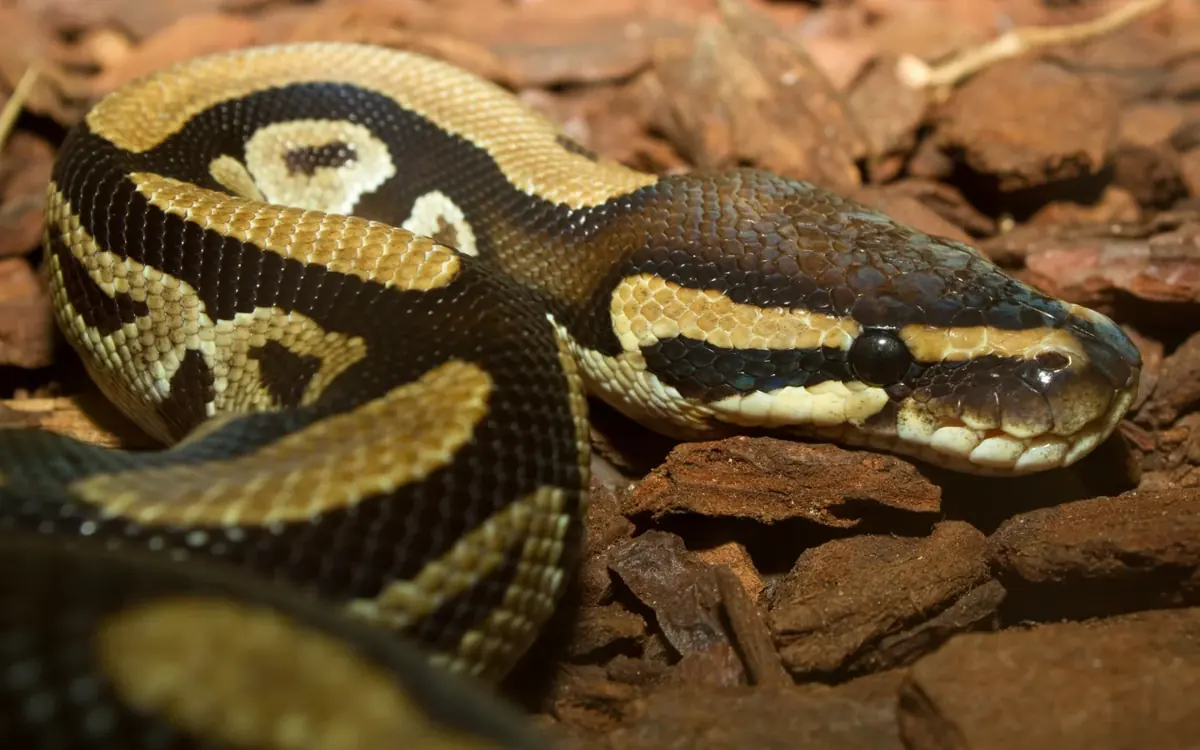
This entry covers the Brazilian rainbow boa, Epicrates cenchria, not every rainbow boa offered under a broad sales category. The Smithsonian describes its sheen as light refracted by tiny structures in the scales. Daily care requires attention to hydration, cover and stable conditions. Choose a documented captive-bred feeder and request its previous environmental and feeding records.
Give the adult usable space
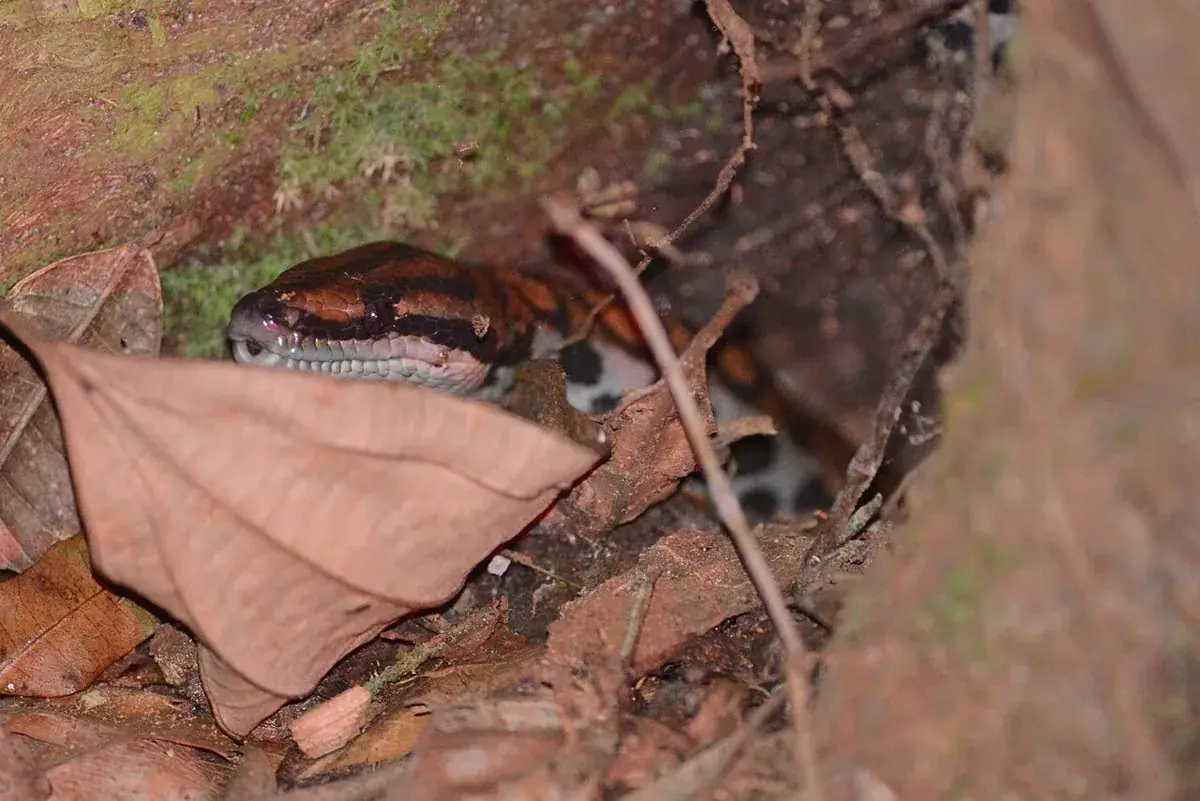
The Smithsonian describes a mainly terrestrial woodland snake; ReptiFiles also provides climbing opportunities. Use a substantial enclosure with full-body extension, concealed floor routes and firmly secured branches. Its humidity needs favour moisture-resistant construction, but ventilation must remain functional. The planner does not certify a generic snake layout for this species. Check whether you can lift out the water basin and remove soiled substrate without dismantling the habitat.
Resolve temperatures as measurements
Care sources differ on thermal recommendations. Reptiles by Mack uses daytime conditions around 27–29°C (80–85°F) and warns against excessive heat; ReptiFiles describes a warmer local basking area. Do not combine the upper numbers into a whole-enclosure setting. Obtain a coherent plan for the actual animal, label ambient versus basking measurements, and use thermostatic control with independent checks. This summary does not provide a universal temperature setting.
Humidity is an ongoing job
ReptiFiles stresses high humidity, with more demanding moisture requirements for young animals. Reptiles by Mack recommends a damp concealed refuge and water large enough for the boa to rest in. Preserve ventilation, inspect beneath hides and keep clean dry resting surfaces available. Record readings at comparable locations and times; a quick spray that briefly raises a hygrometer reading may not sustain the animal between care rounds.
Feeding and observation
The Smithsonian feeds its rainbow boas rats and describes varied vertebrate prey in nature. Offer appropriately sized thawed whole rodents, using the previous feeding history and body condition to guide the schedule. Observe after dusk without repeatedly removing cover. Include sheds, water use and meals in the notebook so a change is visible against the individual’s own routine rather than a generic expectation.
Budget for climate reliability
The Smithsonian reports survival up to 20 years; ReptiFiles reports that longer lifespans are possible. Our specialist tier reflects large housing, humidity control, instruments, lamp replacement and appropriate veterinary care. Before adding the animal, plan daytime light and shaded UVB access with safe reachable distances. Also identify who can maintain its moisture routine during holidays or equipment failure.
Write a drying and cleaning routine for the whole habitat
Put the water bowl, the wettest substrate zone, the main refuges and each instrument on a simple enclosure map. At the same points in the daily cycle, note the readings and whether resting surfaces are dry, damp or wet. This describes the actual enclosure more usefully than one humidity percentage.
After a misting or substrate adjustment, keep the previous routine in the journal and record what changed. Inspect beneath bowls and concealed furnishings during scheduled maintenance. Identify how excess water is removed without dismantling the entire enclosure. Keep the system as easy to inspect and clean as it is to fill.
Keep the iridescent appearance in perspective
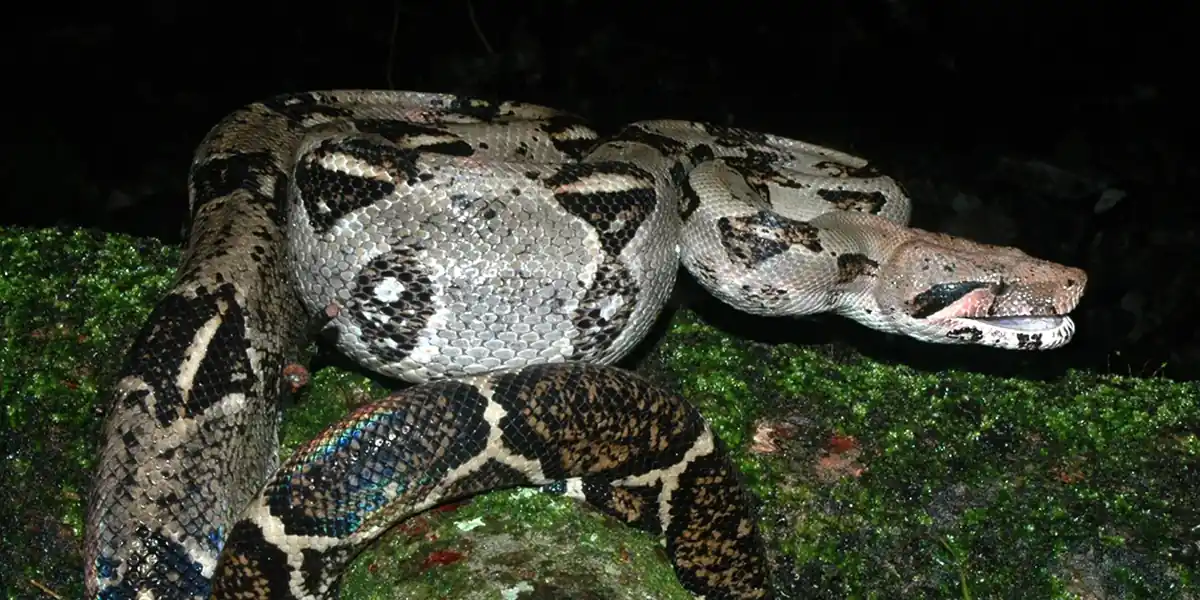
Smithsonian explains that the rainbow sheen comes from the structure of the scales refracting light. A photograph's lighting angle therefore changes the appearance dramatically; it is not a direct measure of health or a separate colour morph.
Use consistent lighting and position for occasional body photographs, and pair them with weights and food records. When adding images to a keeper journal, explain which ones show enclosure use and which simply capture the sheen. Use the journal to show practical decisions, such as whether a refuge is used, how cleaning access works and what has changed over time.
References: Smithsonian's National Zoo — Brazilian rainbow boa scales
Make the breeder's successful routine transferable
Before bringing a youngster home, request exact accepted prey, recent meal dates, current weight and the way its existing humidity was measured. Ask for the location of the sensor, not just the displayed value. Keep those details in the arrival record so a later change can be compared with a real baseline.
During the first stage of keeping, prioritise observation and consistent essential care. Keep new decorative projects separate from changes required for welfare, recording each important modification. Show a backup keeper the water-service routine and how to record an offered but refused meal. The resulting history helps an experienced adviser review the actual animal rather than an idealised species average.
Sources & further reading
Read the full recommendations and check details for your animal, equipment, and local conditions.
- Smithsonian’s National Zoo — Brazilian rainbow boa natural history and lifespan
- ReptiFiles — adult housing and moisture needs
- Reptiles by Mack — thermal and moisture husbandry reference
Compiled September 2026. Original summaries; not individually reviewed by a veterinarian.