Independent species review: pending. Source-check date: 2026-09-05.
Report a care correction · Offer a species reviewArticle changes
- 2026-09-05 · Added a scoped introduction with verified sources, practical checks and ownership planning.
- 2026-09-05 · Aligned the displayed experience level with the finder’s classification.
- 2026-09-08 · Expanded practical preparation, maintenance and observation sections, with scoped sources where applicable. This update checks the new material; independent species review remains pending.
At a glance
- Scope
- Corallus hortulanus; excludes C. caninus and C. batesii. ↗
- Housing
- Editorial planning decision: individual enclosure assessment; no automatic size preset. ↗
This is an introductory planning guide. Sources describe particular animals and methods; they do not certify an enclosure, temperament or veterinary fitness.
Use this guide as a starting point alongside the detailed sources below. Health concerns, unexplained changes in behavior, or feeding problems belong with a reptile veterinarian.
Identify the Amazon tree boa
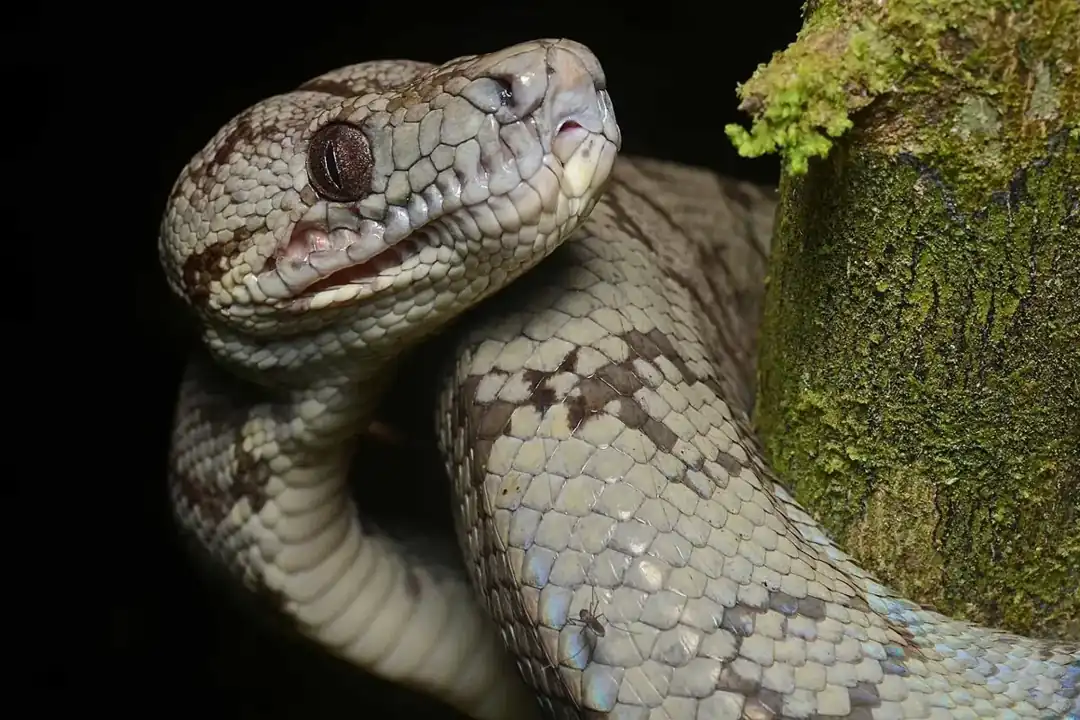
This entry covers Corallus hortulanus. It is distinct from northern emerald tree boas, Corallus caninus, and Amazon Basin emerald tree boas, Corallus batesii. Chicago Exotics describes a long, slender arboreal boa with a substantial reach. Select an established captive-bred individual and preserve its feeding and health history.
Make a connected branch network
The BioDude’s account emphasises climbing structure and space. Provide stable, connected supports that let the snake rest with its body supported and travel between covered locations. Our enclosure review checks usable length as well as height, because a tall empty column offers little choice. Make key branches removable and provide cleaning access without routinely pulling a coiled snake free.
Measure the positions the snake reaches
Commission controlled, protected heating around the actual perch network. Record temperatures at warm and cooler occupied positions, and assess UV exposure at the animal’s reachable back height with shaded retreat available. The BioDude’s page gives inconsistent enclosure dimensions, so this introduction offers no automatic size preset; a species-experienced assessment must resolve the proposed adult enclosure.
Keep moisture and ventilation working together
Both care accounts discuss substantial moisture provision. Measure changes at resting heights through the day and inspect surfaces between mistings. Our maintenance plan includes water changes, nozzle or sprayer cleaning, and access to remove waste caught on branches. An attractive planted enclosure still needs inspection; foliage can hide contamination and does not prove that drinking water is clean.
Use feeding and observation records
Obtain the animal’s established whole-prey routine and recent meal outcomes. Track body condition and growth rather than assuming a naturally slender boa should become thick-bodied. Chicago Exotics notes a long reach and defensive responses, so routine care should minimise unnecessary handling. Agree a practical access and transport plan with someone experienced with this species before an urgent need arises.
Plan for the adult decades
Chicago Exotics reports a lifespan exceeding twenty years. Our specialist budget includes a substantial arboreal enclosure, replacement supports, moisture and temperature instruments, and suitable veterinary care. Arrange separate arrival housing and an experienced backup keeper who can inspect the animal and service the enclosure. Clear records make that handover useful without requiring the carer to guess normal feeding or behaviour.
Plan around reach during ordinary maintenance
Chicago Exotics describes Amazon tree boas as long, slender arboreal snakes with considerable reach. A practical habitat should allow water and visible waste to be serviced without routinely pulling the snake from its branches or making every job a handling session.
Draw the principal resting positions and the route through the enclosure, then mark where service tools and hands would go. Have an experienced keeper review the door and temporary-containment arrangement. Keep supports removable for necessary cleaning and document the attachment points. Include access to the branches for servicing in the original build design.
References: Chicago Exotics Animal Hospital — Amazon tree boa build and reach
Photograph usable routes as well as colour
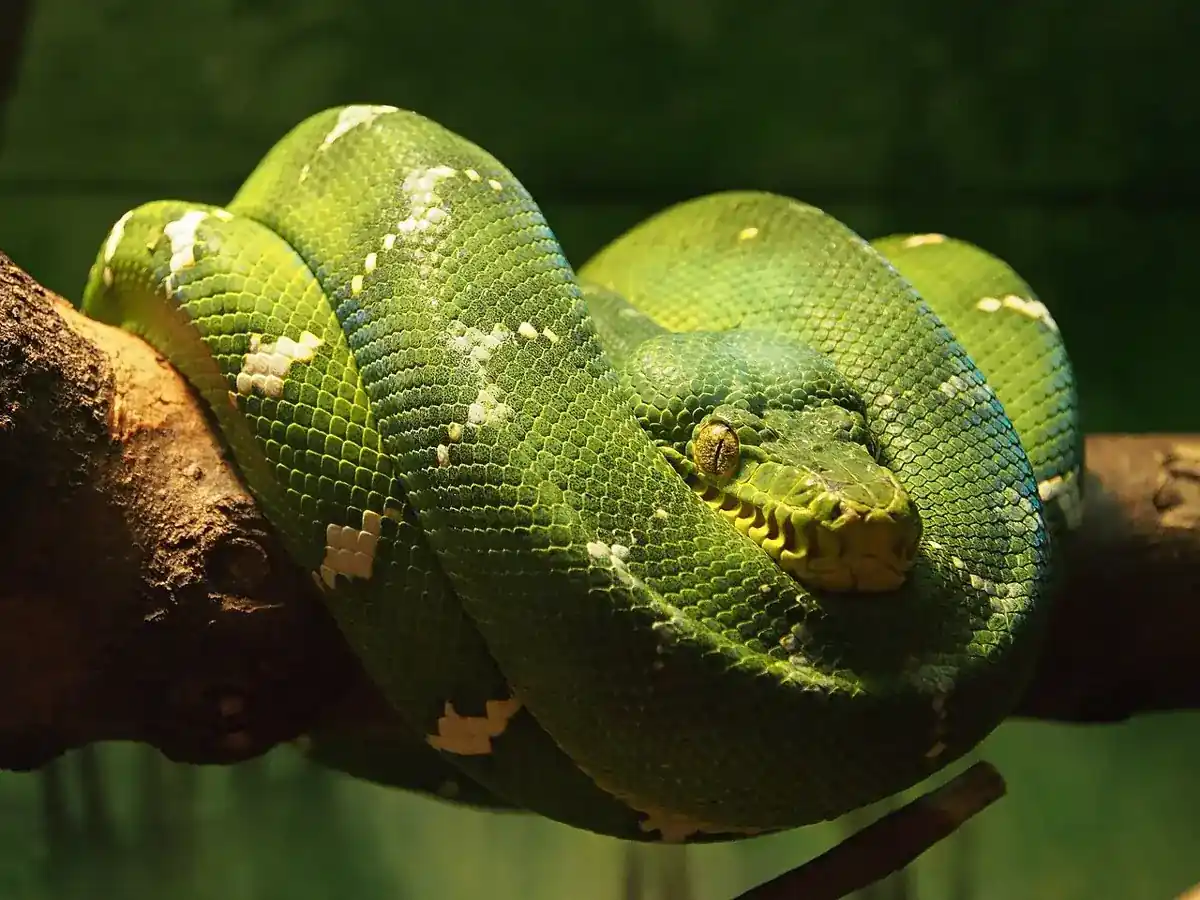
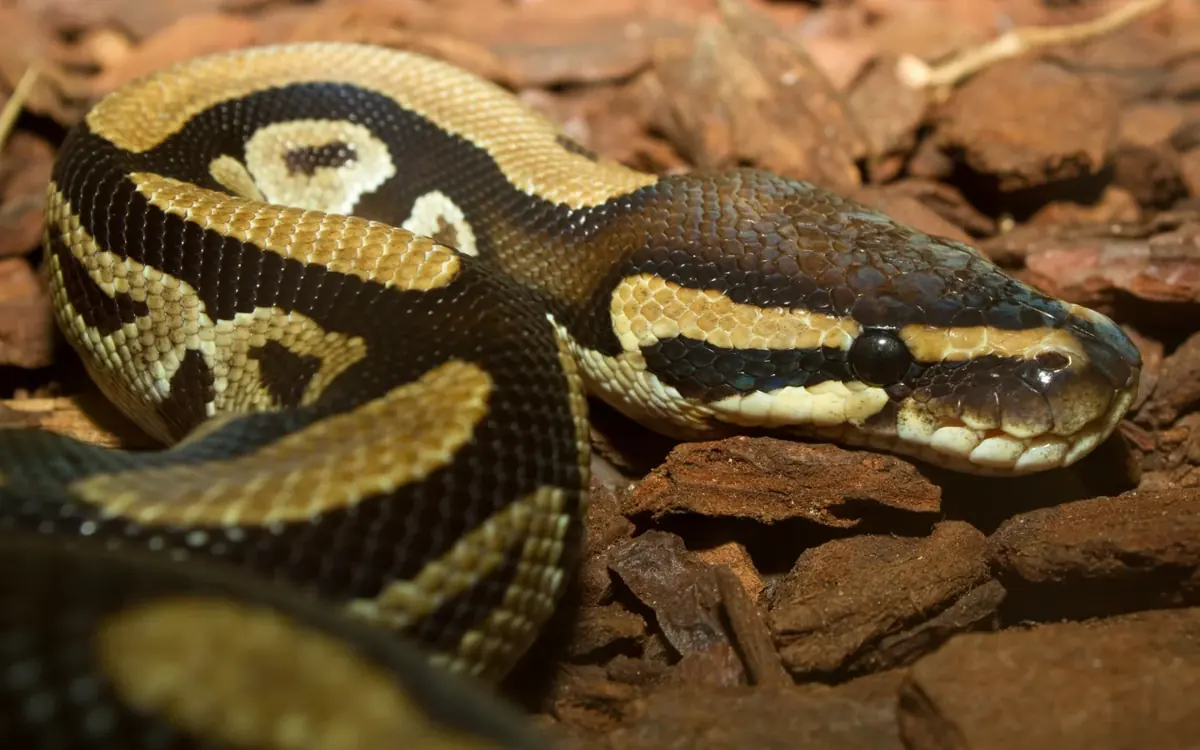
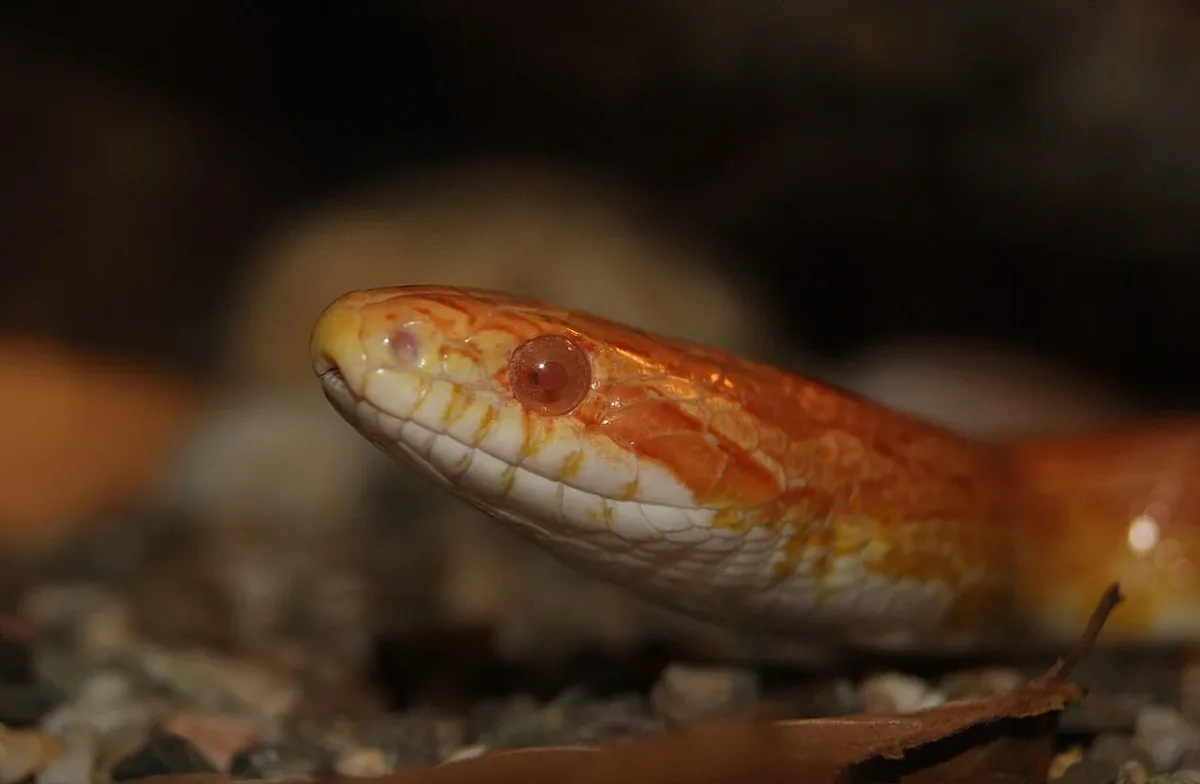
For a keeper journal, take clear front and side views that show connected branches, cover, water and the placement of instruments. Include a caption explaining which feature the photograph documents. Colour portraits can accompany the story, but they do not show whether the habitat provides a route between resources.
Take occasional comparable body photographs without forcing a new posture for the camera, and keep them with weights and meal history. Do not treat a naturally slender outline as a reason to push food until the snake resembles a heavy terrestrial boa. Record changes and seek experienced condition assessment when needed. The useful visual history explains both the animal's development and the practical habitat decisions.
Keep one coherent plan when the sources disagree
Record the exact species and life stage described by each care source, along with the author and date. When an article provides conflicting dimensions or ambiguous temperature locations, preserve the question rather than selecting the convenient value. Ask a species-experienced adviser to review the intended adult habitat.
Save the resulting drawing and measured setup in the animal's enclosure record. Include the current routine clearly for a substitute carer and keep the research notes available behind it. After changing a branch, lamp or dense foliage, recheck the reachable conditions. The source's uncertain enclosure specifications still require individual assessment.
Sources & further reading
Read the full recommendations and check details for your animal, equipment, and local conditions.
- Chicago Exotics Animal Hospital — Amazon tree boa care
- ReptiFiles at The BioDude — Corallus hortulanus care and enclosure planning
Compiled September 2026. Original summaries; not individually reviewed by a veterinarian.