Independent species review: pending. Source-check date: 2026-09-05.
Report a care correction · Offer a species reviewArticle changes
- 2026-09-05 · Added a scoped introduction with verified sources, practical checks and ownership planning.
- 2026-09-05 · Aligned the displayed experience level with the finder’s classification.
- 2026-09-08 · Expanded practical preparation, maintenance and observation sections, with scoped sources where applicable. This update checks the new material; independent species review remains pending.
At a glance
- Scope
- Group includes C. paulsoni ground boas and C. bibroni tree boas; care must follow the identified animal. ↗
- Housing
- Editorial planning decision: individual enclosure assessment; no automatic size preset. ↗
This is an introductory planning guide. Sources describe particular animals and methods; they do not certify an enclosure, temperament or veterinary fitness.
Use this guide as a starting point alongside the detailed sources below. Health concerns, unexplained changes in behavior, or feeding problems belong with a reptile veterinarian.
Resolve ground boa or tree boa first
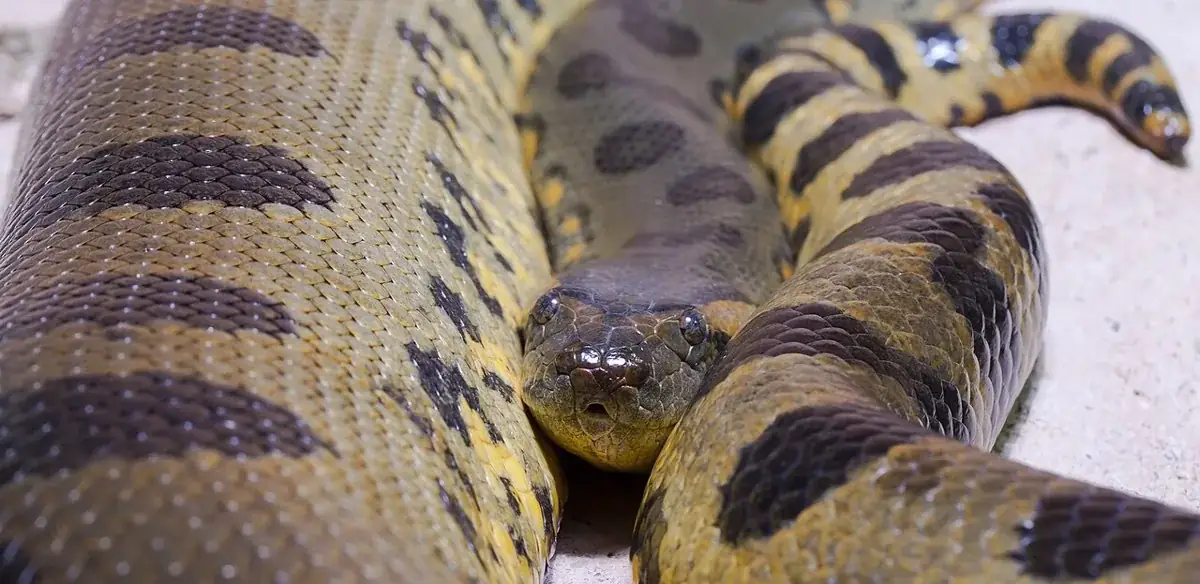
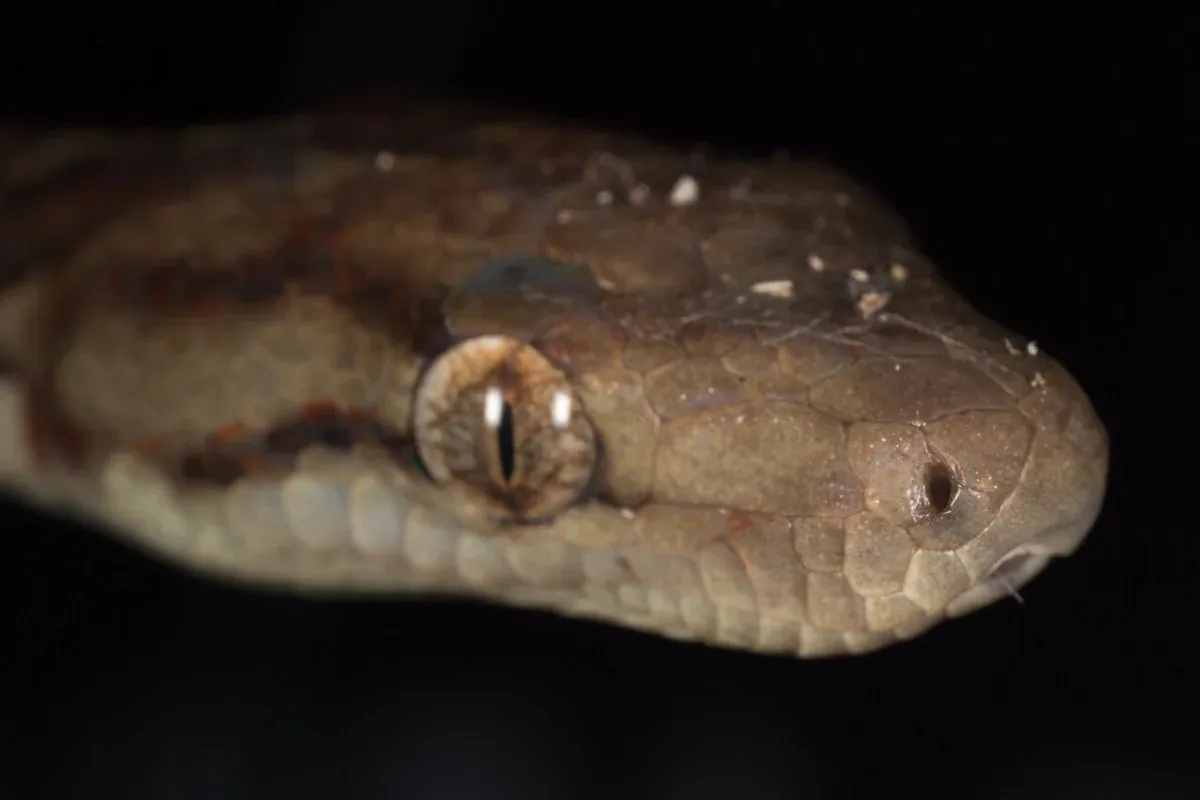
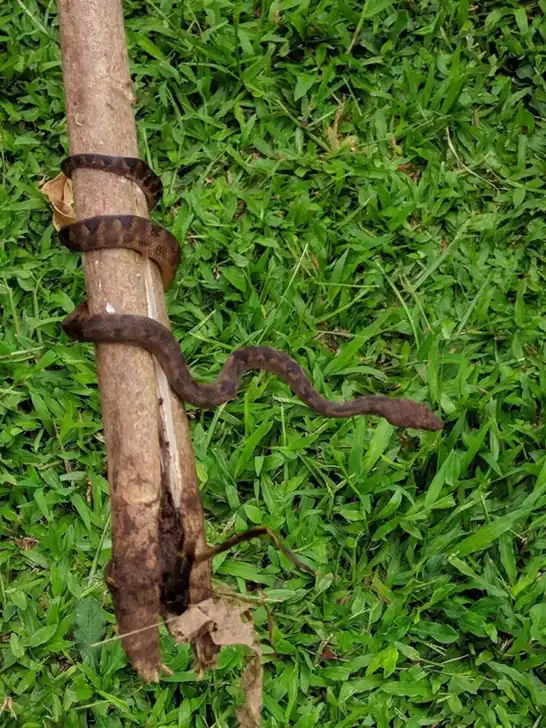
Solomon Island boas is a broad label. The principal distinction here is between ground boas, Candoia paulsoni, and tree boas, Candoia bibroni, often sold under the older name C. bibroni australis. The Reptile Database treats paulsoni and bibroni as separate species. Record the scientific identification and origin; this entry is not a protocol for every island population.
Let identification shape the layout
Jerry Conway’s direct Candoia accounts distinguish a heavier ground-dwelling paulsoni from a more climbing-oriented bibroni. That difference changes where useful space and secure cover belong. Our planning requirement is an enclosure drawing showing resting sites, movement routes and service access for the identified animal, rather than buying a generic tropical-snake kit from a category name.
Make soaking water serviceable
Conway’s ground-boa account describes substantial use of water. Choose a stable container with uncomplicated entry, exit and removal for cleaning. Our practical check is to rehearse replacement before installing decorative features; a buried bowl that can only be reached by disturbing the snake is difficult to maintain. Water access does not eliminate the need for suitable terrestrial shelter.
Treat feeding history as essential equipment
Conway’s husbandry account discusses variation in acceptance of mammal prey and the use of other prey by Candoia. Ask what this particular animal voluntarily eats, how it is prepared and how long that pattern has been established. A promised future conversion to rodents is an unresolved husbandry task. Specialist support should be arranged before acquisition if feeding remains uncertain.
Commission the specific environment
These source accounts include historical methods and older names, so review their applicability before adopting them. Obtain a current species-specific plan for controlled heat, ventilation, moisture and lighting. Measure occupied levels and sheltered spaces. This introduction leaves automatic dimensions unset because a ground boa and a tree boa require separate assessments of adult space and usable structure.
Plan continuity for an uncommon boa
No group lifespan range is assigned here. Our budget includes verified prey access, washable water equipment, removable supports where appropriate and experienced veterinary care. Save origin, feeding and environmental records for the next carer. Prepare separate arrival housing and arrange an assessment based on the animal’s history; a captive-born label alone does not describe previous exposure or current health.
Ask ground boa or tree boa before choosing the layout
Jerry Conway's firsthand Candoia account describes differences in branch use among the animals historically called ground and tree boas, including some use of branches by ground boas. Older names in these accounts do not map neatly onto every current label.
Record the scientific identification and original seller name before choosing the main habitat structure. For the particular species, ask which resources it uses, how large the adult is expected to become and what evidence supports the climate plan. Keep a ground-oriented and a more arboreal drawing separate until identity is resolved. A geographic trade category should not decide the enclosure by itself.
References: Jerry Conway — firsthand Candoia habitat-use observations
Get the meal history in the same detail as the identity
Request recent voluntary feeding dates, exact prey, presentation and any unresolved transition. Preserve the animal's arrival and captive history with those details. A general statement that Candoia eat mice is less useful than evidence showing what the individual actually accepts.
Before acquisition, confirm that suitable established prey can be sourced reliably and that an experienced adviser is available if the routine changes. Record offered and eaten meals separately, with comparable condition information. Do not turn a historical scenting or live-prey anecdote into an improvised feeding method. The site can help organise the questions and history, but the feeding plan for a reluctant youngster needs direct specialist assessment.
Make a soaking bowl easy to swap and inspect
Draw the water vessel's removal route and identify where a clean replacement waits during service. Check that the bowl remains stable and that the surrounding substrate can be inspected without dismantling the animal's main cover. Include access to any branch or shelf that crosses the water area.
Keep water changes in the regular care record, noting repeated fouling or spills as maintenance information. If cleaning is consistently awkward, revise the position or vessel rather than accepting contamination as part of the display. Ask an experienced keeper to review necessary transfer arrangements. A modestly sized boa can still require substantial daily attention to water and concealed surfaces; the workload belongs in the acquisition plan.
Sources & further reading
Read the full recommendations and check details for your animal, equipment, and local conditions.
- The Reptile Database — Candoia paulsoni
- The Reptile Database — Candoia bibroni and historical names
- Jerry Conway — Candoia specialist accounts
- Jerry Conway — Island Gems: Solomon Island ground boa
- Jerry Conway — Candoia husbandry observations
Compiled September 2026. Original summaries; not individually reviewed by a veterinarian.