Independent species review: pending. Source-check date: 2026-09-05.
Report a care correction · Offer a species reviewArticle changes
- 2026-09-05 · Added a scoped introduction with verified sources, practical checks and ownership planning.
- 2026-09-05 · Aligned the displayed experience level with the finder’s classification.
- 2026-09-08 · Expanded practical preparation, maintenance and observation sections, with scoped sources where applicable. This update checks the new material; independent species review remains pending.
At a glance
- Scope
- Candoia aspera, the nonvenomous New Guinea ground boa. ↗
- Housing
- Editorial planning decision: individual enclosure assessment; no automatic size preset. ↗
This is an introductory planning guide. Sources describe particular animals and methods; they do not certify an enclosure, temperament or veterinary fitness.
Use this guide as a starting point alongside the detailed sources below. Health concerns, unexplained changes in behavior, or feeding problems belong with a reptile veterinarian.
The name describes a boa’s appearance
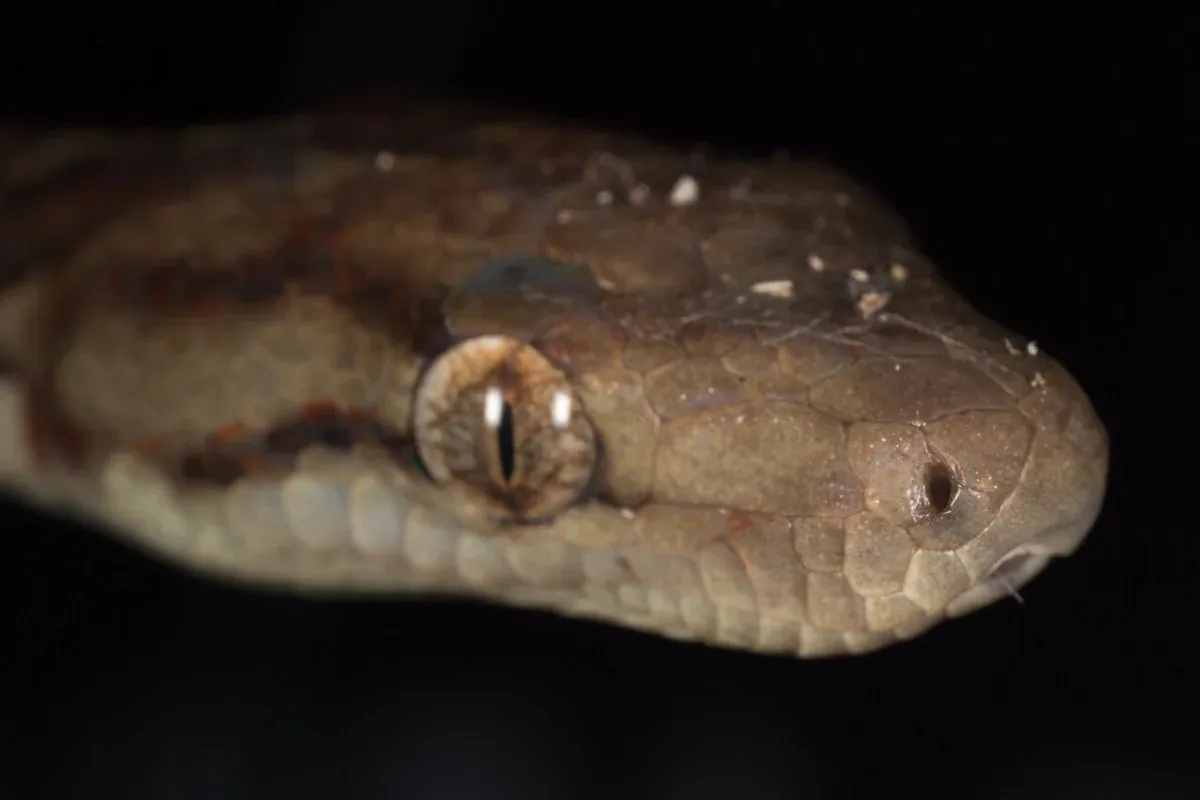
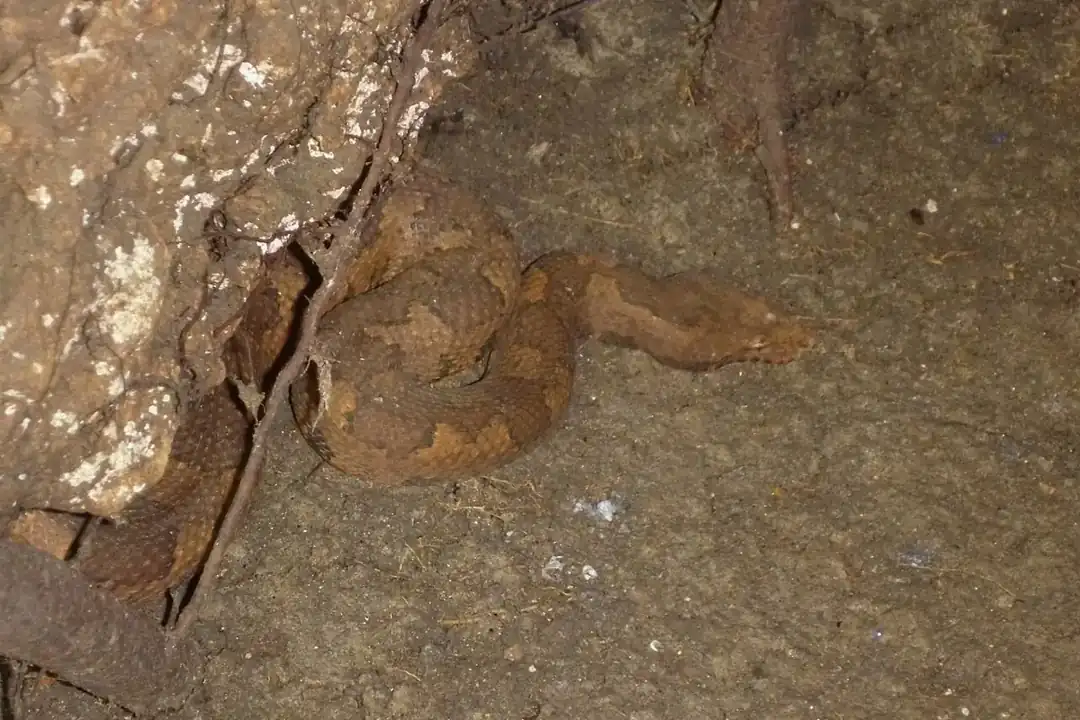
The viper boa is Candoia aspera, also called the New Guinea ground boa. Dubia’s care account describes a nonvenomous, terrestrial snake with rough scales and a compact body. This introduction covers that identified species. It is intended for keepers prepared to observe a secretive animal and confirm its feeding history, rather than expecting frequent interaction.
Build cover at ground level
Dubia recommends substantial substrate, leaf litter and low shelters for a ground-dwelling boa. Provide several covered resting choices and useful movement space without making the animal negotiate unstable rock piles. Our practical design includes access for waste removal beneath the cover. Keep housing individual so food, shedding and condition records remain attributable to one snake.
Make water changes straightforward
Jerry Conway’s direct Candoia account describes viper boas spending considerable time in water and fouling it. Provide a stable soaking container with easy access, and inspect it during routine checks. Our maintenance plan includes a spare clean container: swapping bowls promptly is often easier than improvising a safe place to wash the only one.
Measure moisture through the day
Dubia describes changing humidity and moisture-retentive substrate without soggy conditions. Monitor near the occupied ground layer and inside shelter, not only at the top vent. Ventilation, clean water and moist cover need to work together. Commission protected heat and appropriate lighting with a specialist, while retaining shaded retreat; this introductory finder does not prescribe a universal enclosure or lamp distance.
Verify an established feeding history
Conway’s Candoia observations show that prey acceptance varies. Ask which prey this individual takes voluntarily and request recent meal dates and weights. Do not interpret the species’ small dimensions as proof of an easy feeding transition. Our record should make skipped meals and condition changes visible so an experienced keeper or reptile veterinarian can assess a developing problem.
Keep the ownership plan realistic
Dubia publishes a twenty-year lifespan estimate, but this introduction does not establish a reliable individual lifespan range. Plan long-term care and an experienced backup keeper. Our budget prioritises suitable prey, replaceable substrate, cleanable water equipment and veterinary support. A simple, accessible arrival enclosure also makes early feeding, waste and environmental observations easier to document before more elaborate furnishing.
Record water use alongside water maintenance
Jerry Conway's direct account describes Candoia aspera spending considerable time in water and also fouling the bowl. That makes a clean, accessible soaking vessel a recurring maintenance consideration, rather than an occasional decorative feature.
Keep simple notes on bowl checks and changes. If the pattern shifts, record the surrounding conditions and recent enclosure changes rather than assuming that soaking has one explanation. Maintain inspectable ground cover and dry resting choices in the agreed habitat plan. Do not use habitual water use to dismiss skin changes or other concerns. The species observation helps plan workload; it is not a diagnostic rule for an individual animal.
References: Jerry Conway — firsthand viper-boa water use
Design the floor so essential care is repeatable
On the layout, mark the main refuge, water-removal route and access to substrate beneath cover. Keep heavy furnishings stable independently of loose material. Before arrival, rehearse changing the bowl and inspecting hidden corners with all intended equipment in place.
Prepare secure temporary holding and obtain experienced advice about necessary transfers. The common name viper boa describes appearance, so a new carer should also see the scientific identity and actual handling plan. Record any part of maintenance that repeatedly requires disturbing the snake and consider a layout change. The goal is a serviceable ground habitat where concealment does not make cleanliness or observation impossible.
Treat voluntary feeding as a purchase requirement to verify
Ask for dated meals, exact prey, preparation and whether the animal takes it independently. Preserve any history of assistance, refused prey or recent importation rather than replacing it with an eating well label. Confirm that the accepted suitable prey is available consistently in your area.
Keep the established routine with comparable weights and body photographs. If feeding changes after transfer, the earlier record provides useful context for a species-experienced adviser or veterinarian. Plan for prey supply, water hygiene, specialist support and a dependable care handoff over many years.
Sources & further reading
Read the full recommendations and check details for your animal, equipment, and local conditions.
- Dubia — viper boa care and identity
- Jerry Conway — direct Candoia species accounts
- Jerry Conway — Candoia husbandry and feeding observations
Compiled September 2026. Original summaries; not individually reviewed by a veterinarian.