Independent species review: pending. Source-check date: 2026-09-05.
Report a care correction · Offer a species reviewArticle changes
- 2026-09-05 · Added a scoped introductory guide with sources, commitment and ownership planning.
- 2026-09-05 · Aligned the displayed experience level with the finder’s classification.
- 2026-09-08 · Expanded practical preparation, maintenance and observation sections, with scoped sources where applicable. This update checks the new material; independent species review remains pending.
At a glance
- Scope
- Northern emerald tree boa, Corallus caninus; excludes C. batesii. ↗
- Housing
- An individual perch and environment assessment is required. ↗
Planning references apply only to the species and life stage described. They do not certify an enclosure, temperament or veterinary fitness.
Use this guide as a starting point alongside the detailed sources below. Health concerns, unexplained changes in behavior, or feeding problems belong with a reptile veterinarian.
Northern means Corallus caninus
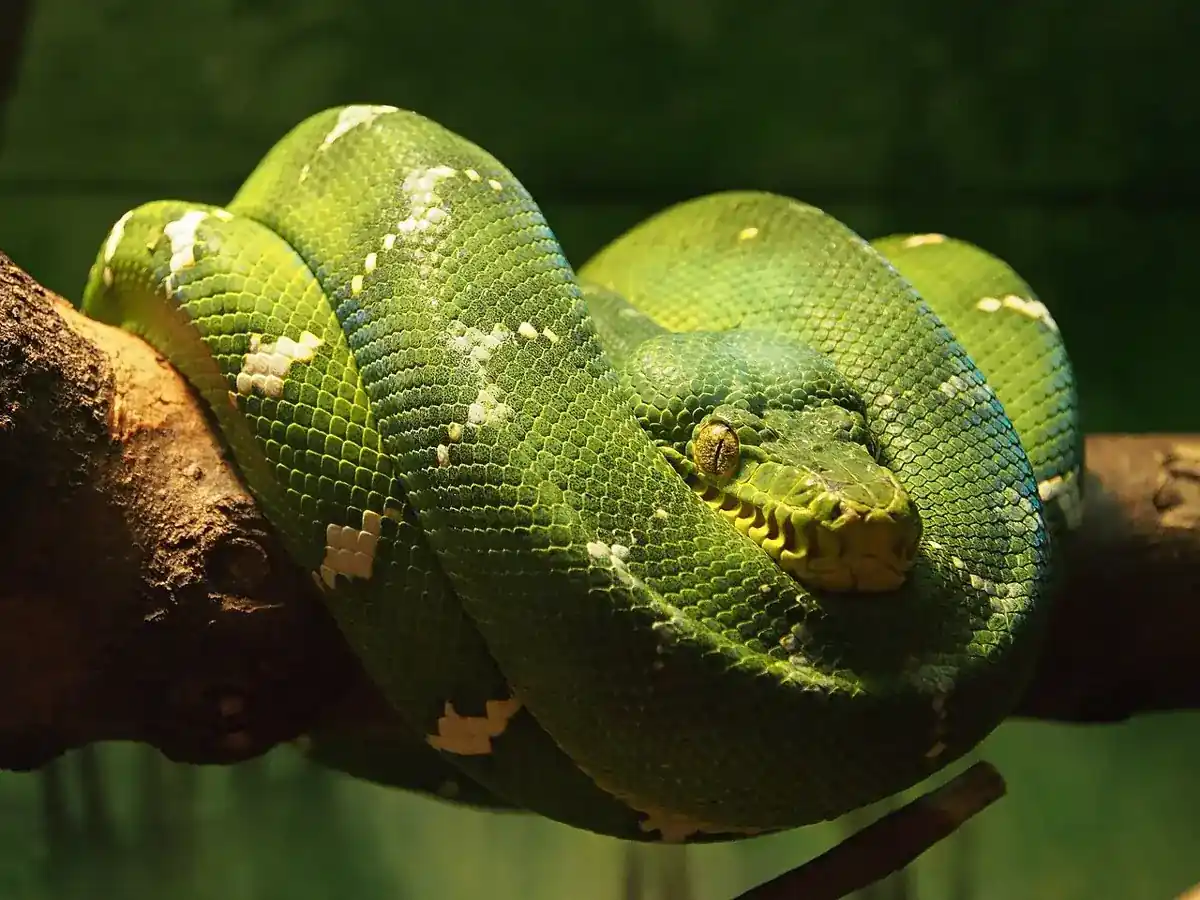
This entry covers the northern emerald tree boa, Corallus caninus. Amazon Basin emerald tree boas, Corallus batesii, need their own guide; the common name alone is insufficient. ReptiFiles describes a Guiana Shield rainforest snake that lives predominantly above ground. Choose a well-established captive-bred animal with feeding and health records. This is an observation-focused species for a keeper prepared for demanding arboreal care.
Build a usable perch network
EmeraldTreeBoas.org recommends stable horizontal resting perches, varied diameters and connected positions across the environmental gradient. Each must support the coiled body without turning or sagging. Provide enough enclosure length for extension and useful height for different choices. Design removable supports and cleaning access before adding elaborate foliage. One attractive branch beneath the only heater leaves the animal with very little control over its conditions.
Check the snake’s actual position
ReptiFiles’ northern reference separates a warm basking area from cooler shaded space. Commission the heat and UVB installation around reachable perch heights, with protected equipment and independent probes. Distance from the lamp to an empty branch is not the same as distance to the animal’s back. Save the fixture model, mesh arrangement and measured readings, and repeat those checks when the perches move.
Measure the whole moisture cycle
The specialist humidity guide recommends checking multiple heights and recording the low point between mistings. Moisture at substrate level does not describe the resting perch. Provide drinking water, ventilation and surfaces that can dry; persistent condensation and damp contact surfaces deserve investigation. Include nozzle inspection and reservoir cleaning in the maintenance record so faults in an automatic system are noticed.
Keep feeding conservative and documented
The specialist feeding guide cautions against overfeeding and supports adjusting intervals to condition. Obtain the animal’s established prey size and recent meal dates. Offer suitable thawed whole prey with tongs, allow quiet digestion and log every outcome. Repeated regurgitation needs veterinary assessment; repeatedly offering another meal does not resolve the cause. Ask for help before purchasing an animal that has not established reliable voluntary feeding.
Quarantine and a long-term care plan
The specialist quarantine guide emphasises physical separation, dedicated tools and servicing new arrivals after the established collection. Agree testing and release from isolation with your reptile vet. ReptiFiles reports survival beyond 25 years. Our specialist budget includes a substantial arboreal enclosure, replaceable perches, climate instruments and experienced veterinary support. A capable holiday carer must understand the enclosure without unnecessarily pulling the snake from its perch.
Keep northern and Amazon Basin records separate
Older veterinary accounts often describe northern and Amazon Basin emerald tree boas together under Corallus caninus. Current keeper resources distinguish northern C. caninus from C. batesii. Keep the animal's documented identification at the top of care notes, image captions and any request for advice.
Before applying a recommendation, check which animal the author actually describes and whether the measurement is taken at a perch, in surrounding air or on the floor. Record unresolved identity rather than choosing from appearance alone. A shared green colour and coiled posture do not demonstrate that every environmental or feeding detail transfers. This guide's northern scope should remain clear when records move between keepers.
Make perch replacement a documented maintenance job
Record each principal perch's material, position and attachment method in the enclosure journal. Photograph the occupied arrangement from outside the glass. Keep compatible spare supports and identify which fittings can be accessed when a support needs cleaning or replacement.
Ask an experienced keeper to review how necessary transfers will work; do not routinely unwrap a tightly coiled snake to complete avoidable maintenance. After installing a new perch, compare accessible cover, movement routes and measured exposure with the previous layout. A different diameter or position can change how the snake rests. Record the observed response without turning a preferred posture into a medical diagnosis.
Make regurgitation history immediately visible
Chicago Exotics identifies regurgitation as a concern in emerald tree boas and discusses the importance of the thermal environment. Treat a regurgitated meal as a distinct event in the notebook, not as a successful feeding followed by a new meal reminder.
Save meal size and date, when the event was noticed, subsequent observations and actual readings at the occupied perch. Contact a reptile veterinarian for assessment rather than immediately offering replacement food or adding heat. Preserve the advice and follow-up in the same timeline. The record supports clinical reasoning; it cannot establish whether temperature, feeding, infection or another cause explains the event.
References: Chicago Exotics Animal Hospital — emerald tree boa health context
Sources & further reading
Read the full recommendations and check details for your animal, equipment, and local conditions.
- ReptiFiles — northern emerald tree boa identity and care
- EmeraldTreeBoas.org — perches and environmental choice
- EmeraldTreeBoas.org — humidity measurement
- EmeraldTreeBoas.org — feeding and condition
- EmeraldTreeBoas.org — quarantine and dedicated equipment
- Chicago Exotics Animal Hospital — emerald tree boa health context
Compiled September 2026. Original summaries; not individually reviewed by a veterinarian.