Independent species review: pending. Source-check date: 2026-09-05.
Report a care correction · Offer a species reviewArticle changes
- 2026-09-05 · Added a scoped introduction with verified sources, practical checks and ownership planning.
- 2026-09-05 · Aligned the displayed experience level with the finder’s classification.
- 2026-09-08 · Expanded practical preparation, maintenance and observation sections, with scoped sources where applicable. This update checks the new material; independent species review remains pending.
At a glance
- Scope
- Chilabothrus striatus; linked care accounts principally describe the nominate form. ↗
- Housing
- Editorial planning decision: individual enclosure assessment; no automatic size preset. ↗
This is an introductory planning guide. Sources describe particular animals and methods; they do not certify an enclosure, temperament or veterinary fitness.
Use this guide as a starting point alongside the detailed sources below. Health concerns, unexplained changes in behavior, or feeding problems belong with a reptile veterinarian.
Identify this Hispaniolan species
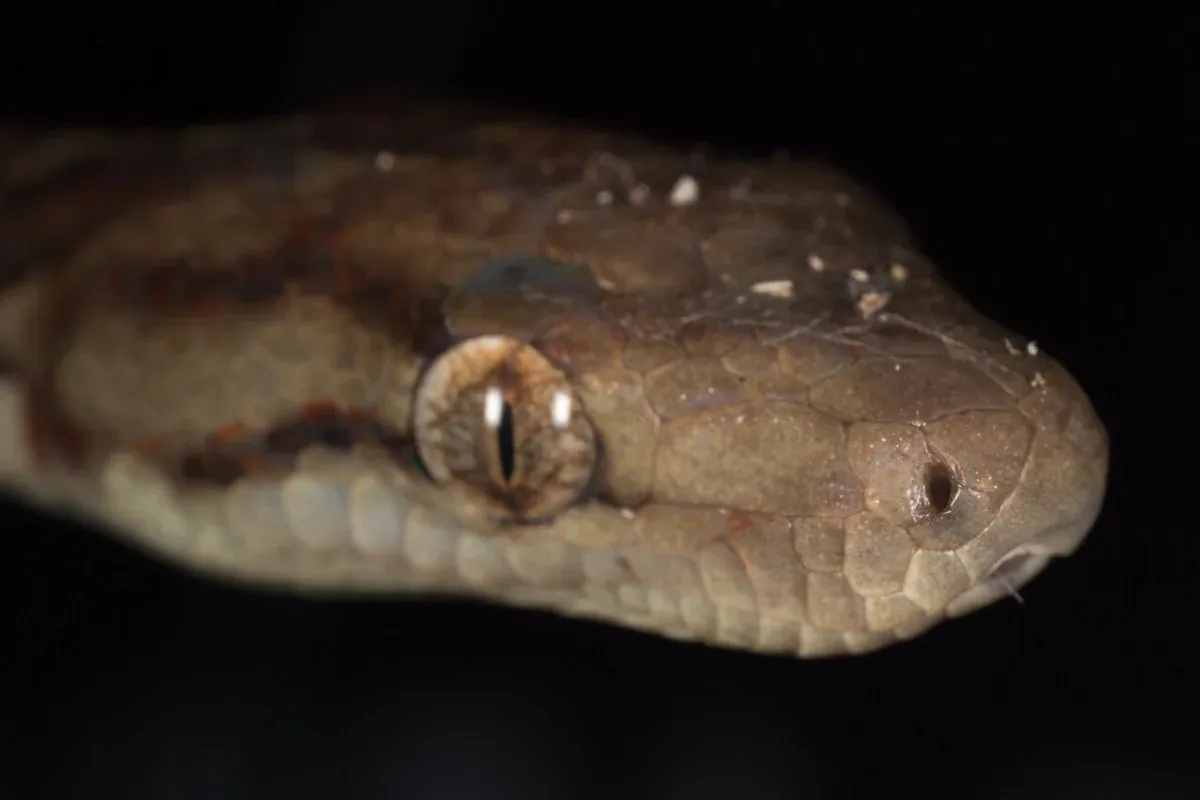
This entry covers Chilabothrus striatus, with the linked keeper accounts focusing on the nominate form. The Hispaniolan ground boa, Chilabothrus fordii, is a different species. Preserve the seller’s locality and lineage documentation without guessing from colour. WestIndianBoas and Carlton Carnivores provide useful specialist observations, but an introductory account cannot establish an individual animal’s provenance.
Keep the climbing space usable
The keeper accounts describe juveniles using branches extensively and adults continuing to climb. Provide connected supports alongside ground-level cover, allowing a slender snake to move between resting places without exposed leaps. Our enclosure plan includes removable branches and reachable corners so routine waste removal does not require dismantling the habitat or repeatedly disturbing the animal.
Commission conditions for this animal
Ask the established keeper for recorded temperatures, moisture conditions and lighting, then review the proposed enclosure with an experienced species keeper. Measure occupied branch positions as well as the floor. Provide environmental choices and protected equipment. This introduction deliberately leaves numerical enclosure and lighting presets unset because those details need a defensible, individual plan.
A juvenile’s feeding history matters
WestIndianBoas and Carlton Carnivores describe young animals that may initially favour lizard prey and can require a lengthy transition to rodents. Request several dated, voluntary meals and the precise preparation used. A claim that a baby will switch later is not an established feeding record. Arrange expert support before acquiring an animal with unresolved feeding difficulties.
Watch condition and cleanable surfaces
Carlton Carnivores describes a naturally slender young boa and notes that musk and urinary waste can complicate cleaning. Do not use thickness alone as a target for increased feeding. Our practical record combines weight trends, meals, sheds and enclosure observations. Keep washable or replaceable furnishings available and investigate changes in condition rather than assuming that every refusal is ordinary.
Make specialist ownership sustainable
This introduction does not assign a reliable lifespan range. Plan for long-term specialist care, including suitable prey access, transport and an experienced backup keeper. Arrange a separate arrival enclosure and veterinary assessment appropriate to the animal’s history. Budgeting for removable climbing furniture and continued feeding support is more useful than treating the purchase price as the cost of keeping this boa.
Clarify juvenile feeding before agreeing to the animal
West Indian Boas documents juvenile prey issues and varied experiences in captive Hispaniolan boas. Treat that material as evidence to ask what the actual youngster already accepts, rather than a menu of techniques to improvise. Request recent voluntary meal dates, exact prey and whether assistance or scenting is still necessary.
Confirm that the established suitable prey is obtainable where you live and that a species-experienced adviser is available. Preserve the transition history with the animal's record. A youngster sold before feeding is reliably established represents a different task from maintaining an established adult. The distinction should be settled before purchase, not discovered when an expected rodent meal is repeatedly refused.
References: West Indian Boas — Hispaniolan boa captive-management evidence
Keep branches usable and necessary service separate
Draw the route between elevated resting places, concealed ground cover and water. Make major supports secure and identify how they can be removed for maintenance. Check the movement space left after furnishing rather than judging the enclosure from its empty outer dimensions.
Rehearse the water change and access to the rear of the habitat before arrival. Keep a secure temporary holding arrangement and experienced transfer support available. During normal observation, note which positions are occupied and the time, then compare later changes with dated layout photographs. Use the journal to record how the habitat functions during normal use and cleaning.
Make specialist references transparent
Keep the source author, publication date and the precise animal being described with each care note. Distinguish direct captive experience from summaries of field studies or historical anecdotes. Several unusual prey observations can broaden understanding without establishing a nutritionally complete home diet.
Ask a reptile veterinarian and an experienced Chilabothrus keeper to resolve the individual climate, feeding and veterinary plan before acquisition. Record which questions remain open. Do not convert an author's suggested but untested technique into a site recommendation. A future owner should inherit the actual working routine, its evidence and its uncertainties together. That is especially valuable for an uncommon species whose useful knowledge may be spread across several specialist accounts.
Sources & further reading
Read the full recommendations and check details for your animal, equipment, and local conditions.
- WestIndianBoas — Chilabothrus striatus striatus
- Carlton Carnivores — direct Hispaniolan boa keeping account
- U.S. Fish and Wildlife Service — Hispaniolan boa identification
Compiled September 2026. Original summaries; not individually reviewed by a veterinarian.