Independent species review: pending. Source-check date: 2026-09-05.
Report a care correction · Offer a species reviewArticle changes
- 2026-09-05 · Added a scoped introduction with verified sources, practical checks and ownership planning.
- 2026-09-05 · Aligned the displayed experience level with the finder’s classification.
- 2026-09-08 · Expanded practical preparation, maintenance and observation sections, with scoped sources where applicable. This update checks the new material; independent species review remains pending.
At a glance
- Scope
- Northern rubber boa, Charina bottae; excludes southern C. umbratica. ↗
- Housing
- Editorial planning decision: individual enclosure assessment; no automatic size preset. ↗
This is an introductory planning guide. Sources describe particular animals and methods; they do not certify an enclosure, temperament or veterinary fitness.
Use this guide as a starting point alongside the detailed sources below. Health concerns, unexplained changes in behavior, or feeding problems belong with a reptile veterinarian.
Define the rubber boa being discussed
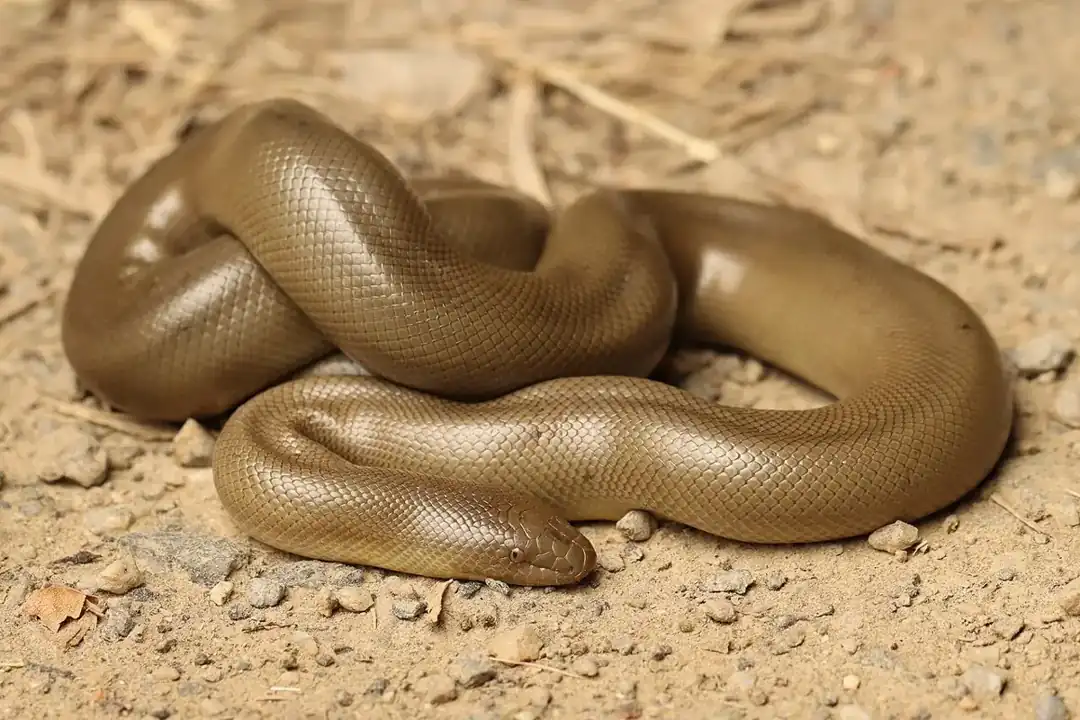
This introduction covers the northern rubber boa, Charina bottae. It does not cover the southern rubber boa, Charina umbratica. RubberBoas.com and keeper Zack Bateson describe care for this unusual, secretive snake. Choose a documented captive-bred animal with an established feeding history and check relevant local requirements; an animal’s small size does not make its care interchangeable with other boas.
Prioritise an escape-proof ground habitat
RubberBoas.com stresses how readily these snakes use very small gaps. Inspect cable entries, door joins and ventilation fittings before arrival. Provide burrowing material and covered resting choices. Our practical layout keeps shelters accessible for a visual check without excavating the entire enclosure, while preserving room for the snake to extend and move between different conditions.
Too much heat is a specific risk
Both specialist accounts caution against treating a rubber boa as a hot tropical snake. Bateson describes a controlled warm spot within a cooler environment; RubberBoas.com particularly warns about excessive warmth. Establish an individual plan with experienced support, use a thermostat and independent probes, and test the room’s hottest seasonal conditions before relying on an unattended installation.
Keep moisture available without saturation
Bateson’s account includes burrowing substrate and hides, while RubberBoas.com discusses shelter and moisture. Provide drinking water and a clean humid retreat alongside drier choices. Our maintenance record includes checks beneath the hides, where damp waste can be easy to overlook. Lighting should preserve access to cover; commission exposure instead of flooding every resting place with light.
Interpret refusals through a history
Bateson records seasonal differences in feeding and substantial variation between individual animals. Request the current keeper’s actual meal dates, accepted prey and weight trend. Do not assume a refusal means that more heat or repeated offerings are needed. Weight loss or other concerning changes require professional assessment; seasonal cooling and breeding management need separate, experienced planning.
Budget beyond a small enclosure
No reliable lifespan range is selected here. Our long-term plan prioritises proven feeder supply, temperature control during hot weather, escape-secure housing and veterinary access familiar with the species. Keep handling modest and use routine observation to learn the individual’s behaviour. A backup carer needs the written conditions and feeding history, particularly when normal seasonal patterns differ from common pet snakes.
Make a refusal part of a timeline
Zack Bateson's direct captive observations describe pronounced individual and seasonal variation in rubber-boa feeding. His published records are useful examples of longitudinal observation, not evidence that every refusal in every snake is harmless.
For your individual, keep successful and refused meals, comparable weights, lighting changes and actual room and enclosure readings together. Obtain the earlier keeper's history where possible, especially for a new arrival. Record seasonal fast as an interpretation rather than a confirmed diagnosis. Discuss decline or concerning changes with a reptile veterinarian, and preserve the resulting advice.
References: Zack Bateson — firsthand rubber-boa feeding records
Resolve heat advice by naming the measurement
Put the proposed warm surface, surrounding air and cooler retreat on a simple diagram. Record the source, units, sensor position and whether the value describes the animal's occupied area or the thermostat display. Keep divergent care accounts visible until an experienced adviser helps establish one coherent plan.
Check what the room can provide during its warmest period, including whether a cooler refuge remains available. Do not assume a low-power heater prevents overheating if the entire room is already warm. Save the completed setup measurements and recheck them after changing bedding or shelters. This introduction cannot resolve every difference among specialist methods; the individual plan should be settled before acquisition.
Design the burrowing habitat for quiet checks
Map inspectable retreats and the stable supports beneath any heavy furnishing. Keep a photograph of the empty arrangement so substrate replacement does not accidentally change structural support. Include a clear service route to water and a secure holding container available before a major clean.
During normal observation, note visible movement and the locations used without repeatedly digging the snake up solely for display. Schedule necessary direct checks as part of the agreed care routine. For a backup keeper, explain where cover can be lifted and which parts should remain in place during ordinary service. A concealed animal can still have an organised care record when the habitat is designed for access.
Sources & further reading
Read the full recommendations and check details for your animal, equipment, and local conditions.
- Zack Bateson — direct Charina bottae captive care and breeding observations
- RubberBoas.com — captive care of the rubber boa
- Reptiles Magazine — rubber boa care tips
Compiled September 2026. Original summaries; not individually reviewed by a veterinarian.