Independent species review: pending. Source-check date: 2026-09-05.
Report a care correction · Offer a species reviewArticle changes
- 2026-09-05 · Added a scoped introduction with verified sources, practical checks and ownership planning.
- 2026-09-05 · Aligned the displayed experience level with the finder’s classification.
- 2026-09-08 · Expanded practical preparation, maintenance and observation sections, with scoped sources where applicable. This update checks the new material; independent species review remains pending.
At a glance
- Scope
- Marketplace group of boa crosses; ancestry and individual requirements vary. ↗
- Housing
- Editorial planning decision: individual enclosure assessment; no automatic size preset. ↗
This is an introductory planning guide. Sources describe particular animals and methods; they do not certify an enclosure, temperament or veterinary fitness.
Use this guide as a starting point alongside the detailed sources below. Health concerns, unexplained changes in behavior, or feeding problems belong with a reptile veterinarian.
Start with parentage, not a category label
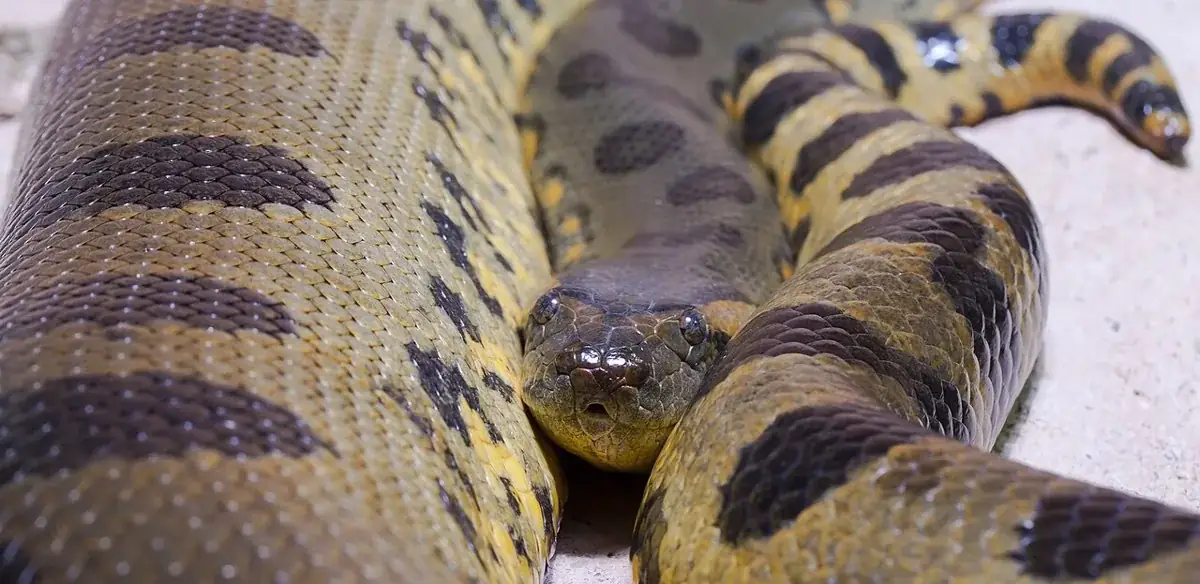
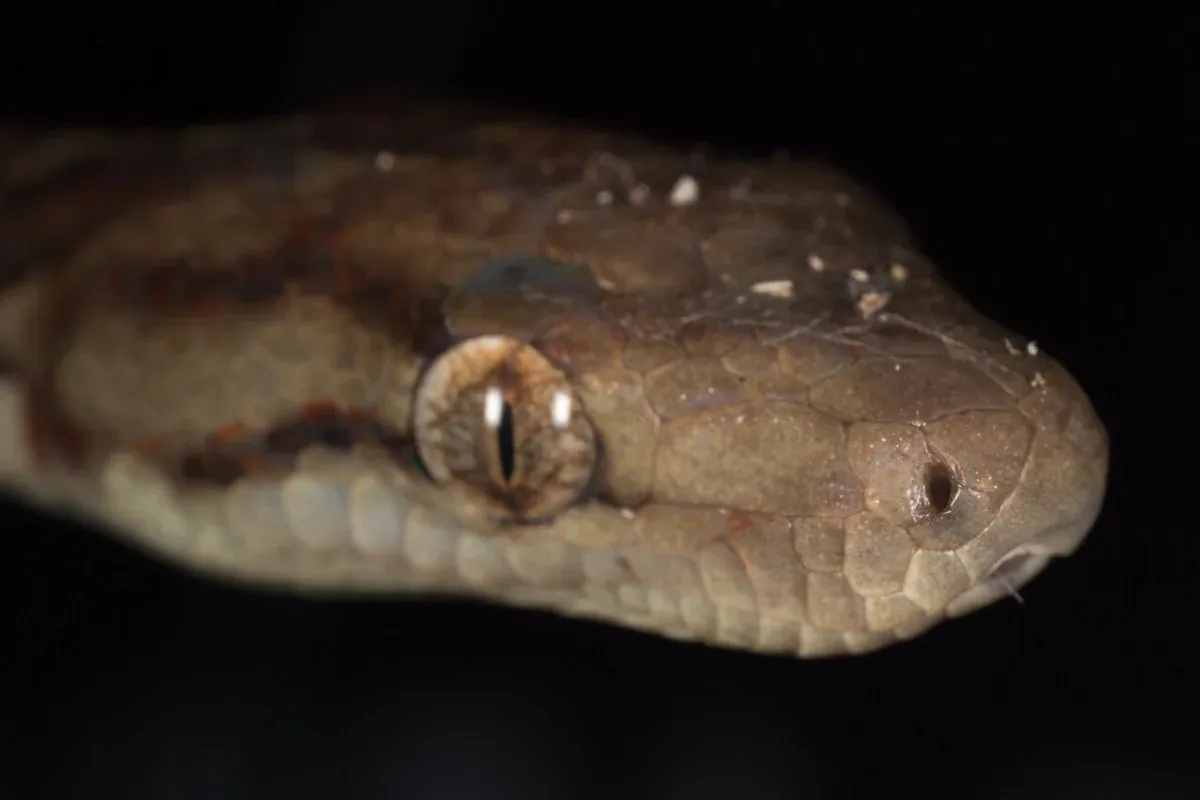
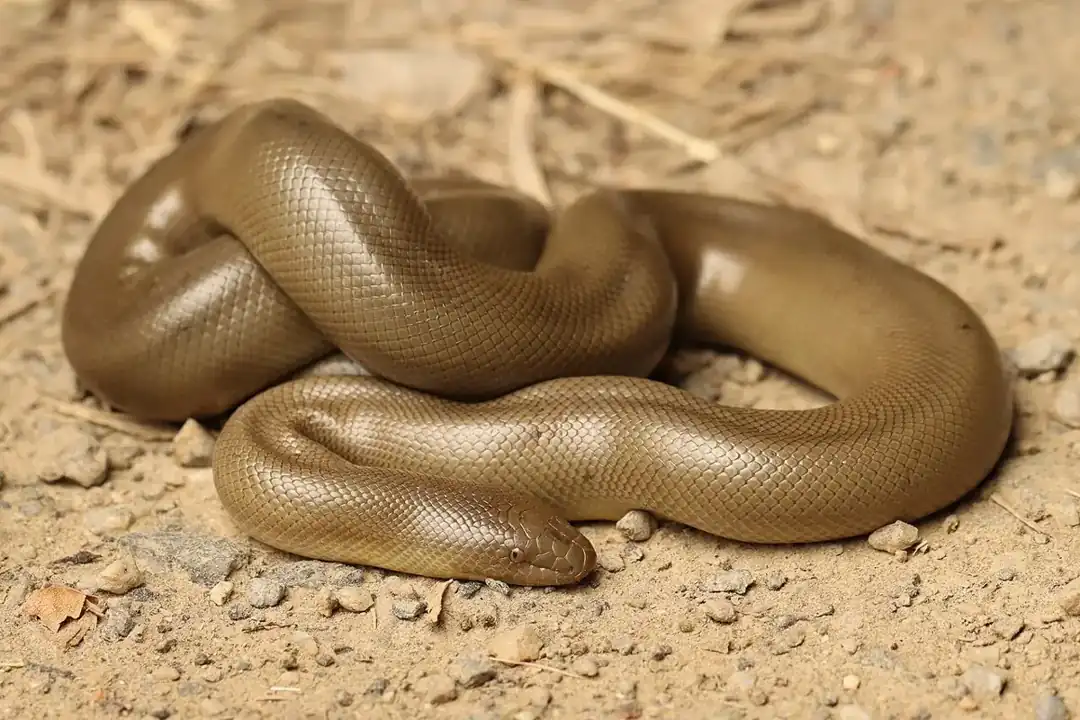
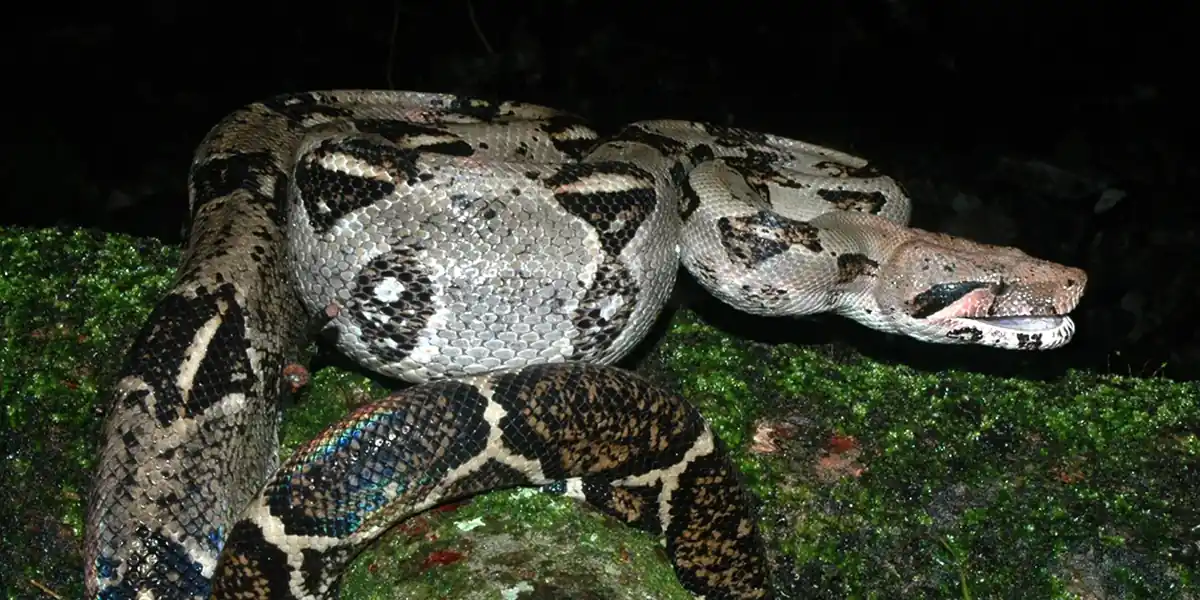
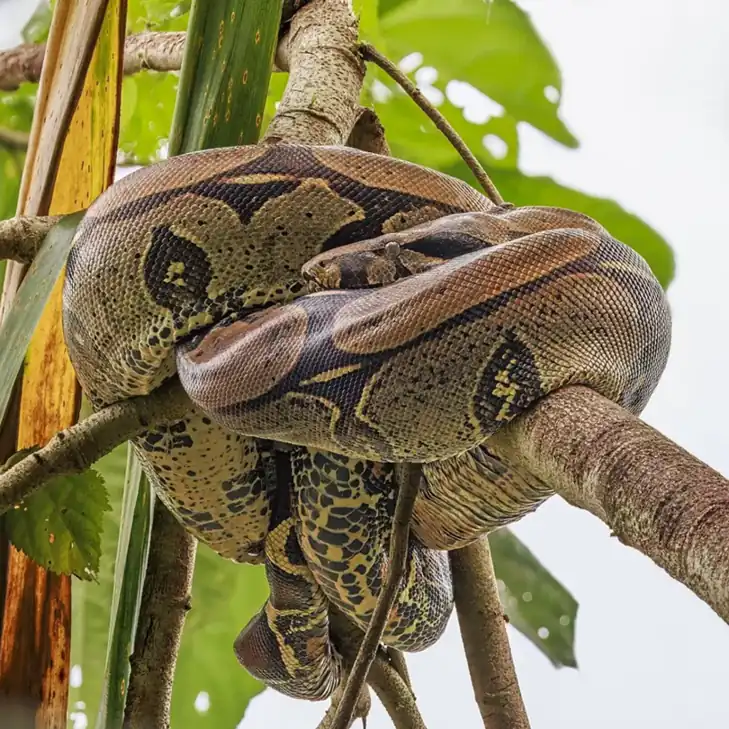
MorphMarket’s announcement establishes Hybrid Boas as a marketplace category, not a biological species or a care standard. This is our planning framework for a boa described as a cross. Ask for the scientific identities of its parents, the recorded generations and the original breeder’s documentation. Keep confirmed information separate from seller claims and unresolved ancestry.
Build a record that survives a change of keeper
Save dated photographs, origin records, prior enclosure conditions, meals and growth measurements together. Label uncertainty plainly instead of assigning guessed ancestry percentages or locality names. A striking colour pattern cannot supply missing breeding records. If ownership changes, pass on the same evidence and uncertainties so the next keeper can continue an informed assessment.
Review the actual welfare requirements
The Merck Veterinary Manual’s reptile husbandry guidance emphasises species-relevant environments and detailed histories. Our proposed approach is to review the documented parents’ needs with an experienced reptile veterinarian and keeper, then assess the individual animal. Do not average two temperature ranges or assume that one parent’s enclosure dimensions settle the offspring’s adult requirements.
Commission an adaptable enclosure
Before acquisition, resolve adult space, secure access, climbing or ground-use opportunities and environmental control. Record the reasoning behind the chosen conditions and measure what the snake can actually reach. This guide supplies no universal heat, humidity, UV exposure or size prescription. If ancestry leaves an essential welfare question unanswered, obtain specialist assessment before choosing equipment.
Use observations without making genetic promises
Track voluntary meals, weight trends, movement, sheds and use of the enclosure. These records help evaluate the care plan; they do not prove ancestry, fertility or freedom from inherited problems. Seek veterinary assessment for concerning changes. This introduction makes no claim that hybrids are automatically healthier or less healthy, and it is not a breeding recommendation.
Budget for possible care changes
The RSPCA identifies specialist equipment, diet, adult size and veterinary access as core ownership considerations. Our budget adds room to revise housing after individual assessment and maintain accurate records over the animal’s life. No lifespan range applies to this whole category. Before commitment, identify a capable future carer willing to accept the animal with its documented uncertainties.
Keep the ancestry evidence separate from the sales name
Make a permanent record of the claimed parent species, any locality information, the direction of the cross, further generations and the breeder who supplied the information. Attach documents where available and mark the remaining details as reported or unknown. Preserve original wording if the interpretation is later revised.
Do not infer health, adult size or temperament from an attractive hybrid name. Ask a reptile veterinarian and a keeper familiar with the relevant parents what additional information is needed for this individual. A photograph may be useful for the record but should not be treated as a genetic test. Pass the documented ancestry and remaining uncertainties to the next keeper.
Assess whether the uncertain adult still fits the home
Draw an adult enclosure scenario using the supported expectation and another allowing for a larger or more demanding outcome. Include usable movement, stable shelter, water service, structural strength, controlled environmental choices and secure transport. Write down which scenario is currently affordable and physically possible.
Have an experienced person review the assumptions. Record any expansion plan with a real location, cost and installation route rather than simply adding upgrade later to a checklist. Uncertainty should influence acquisition decisions while there is still a choice. Assess the individual without assuming every cross is difficult or that care suitable for the less demanding parent will be sufficient.
Save the reasoning when a care plan changes
Keep the current agreed environment and established feeding routine beside dated measurements, meals and comparable body-condition records. When a professional recommends a change, preserve the earlier version and the reason. A later owner should not have to guess why the plan differs from a generic boa care sheet.
Give substitute carers the current routine clearly, with source notes and parentage uncertainty available behind it. Include the last successful meal, veterinary contacts and any follow-up due. Do not average two parental temperature ranges into an unsupported new target. A hybrid category by itself does not establish a husbandry protocol.
Sources & further reading
Read the full recommendations and check details for your animal, equipment, and local conditions.
- MorphMarket — official announcement of hybrid categories
- Merck Veterinary Manual — management and husbandry of reptiles
- RSPCA — exotic animal ownership needs and long-term costs
Compiled September 2026. Original summaries; not individually reviewed by a veterinarian.