
Boas
Other boas
Explore the additional boa introductions in this collection, from rubber boas to anacondas. These animals have different space, climate and feeding requirements; each introduction identifies its scope.
6 care introductions in this collection
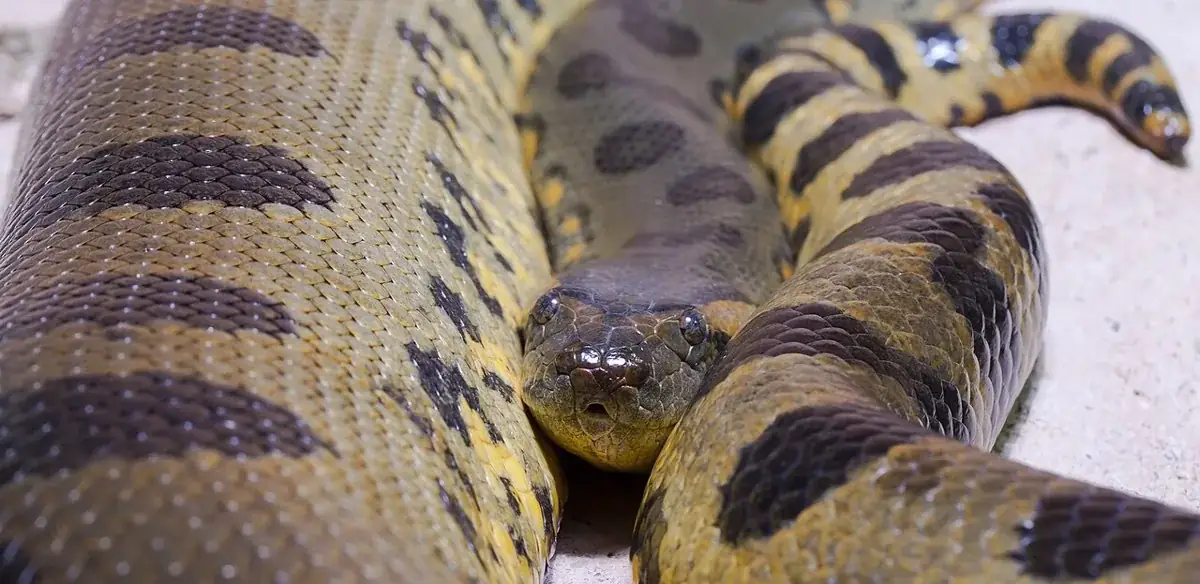 Snakes
Anacondas
Eunectes spp.
This group introduction explains why anacondas need species identification and a complete land-and-water facility plan.
Group introduction · Experienced keeper
Potentially decades; late twenties reported for some green anacondas
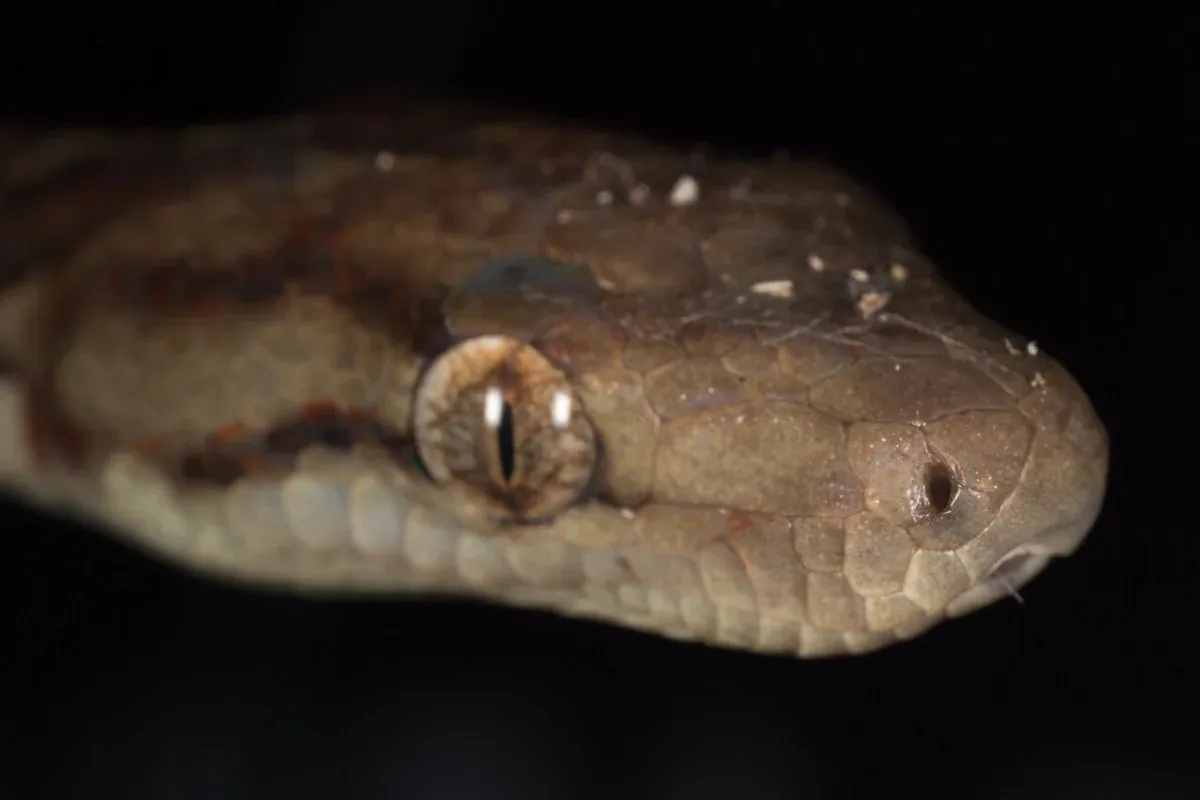 Snakes
Hispaniolan boa
Chilabothrus striatus
This Hispaniolan boa introduction covers climbing space, established juvenile feeding and usable care records.
Species introduction · Experienced keeper
Long-term commitment; no reliable lifespan range selected for this introduction
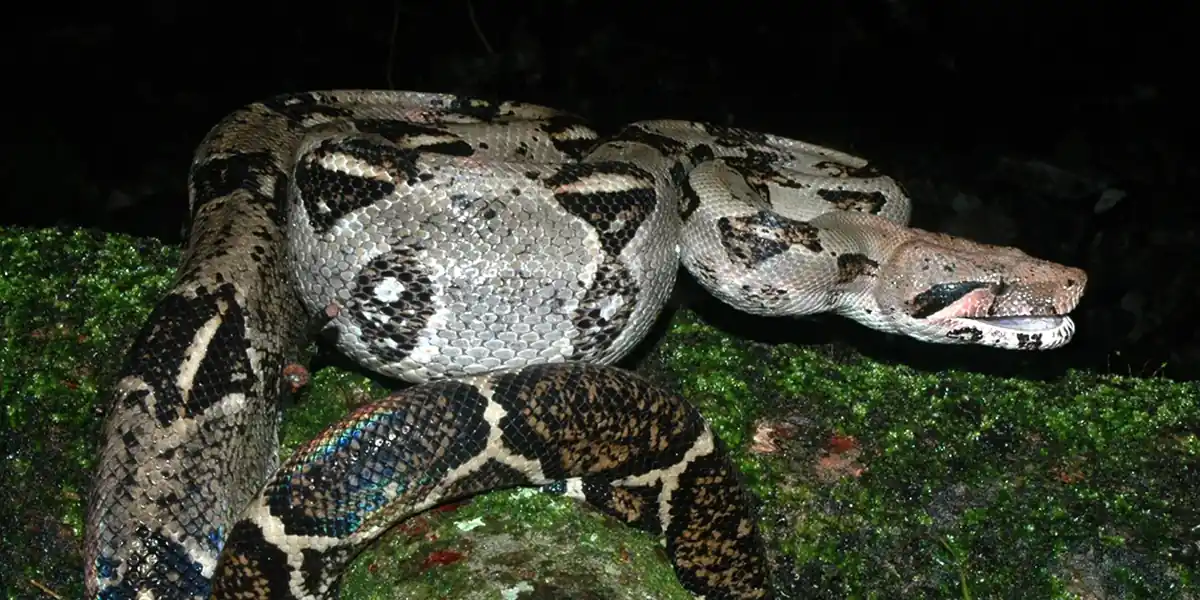
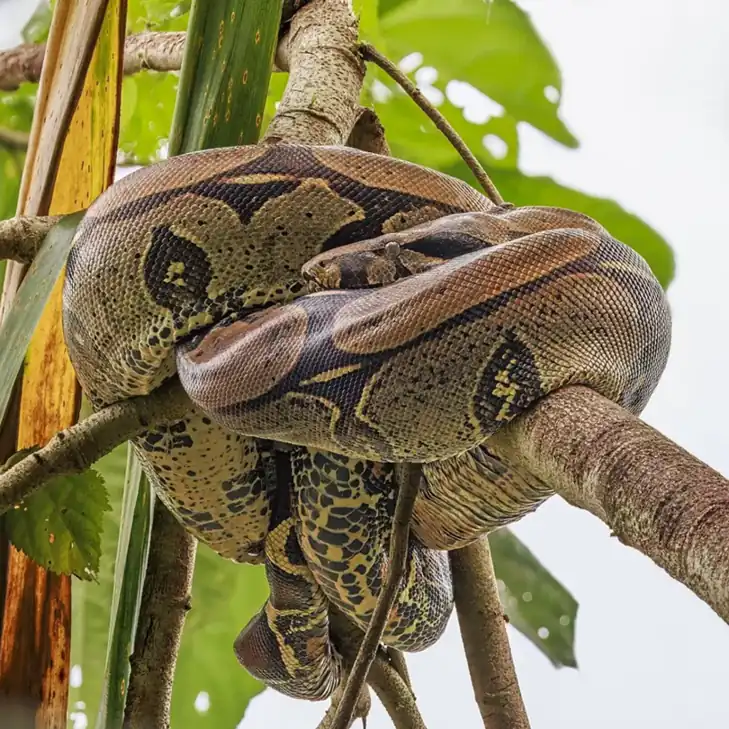 Parent taxa pictured
Hybrid boas
Boa crosses; documented parentage varies
This guide covers ancestry and welfare planning for boa crosses, whose care must be assessed individually.
Group introduction · Experienced keeper
Long-term commitment; no reliable lifespan range selected for this introduction
 Snakes
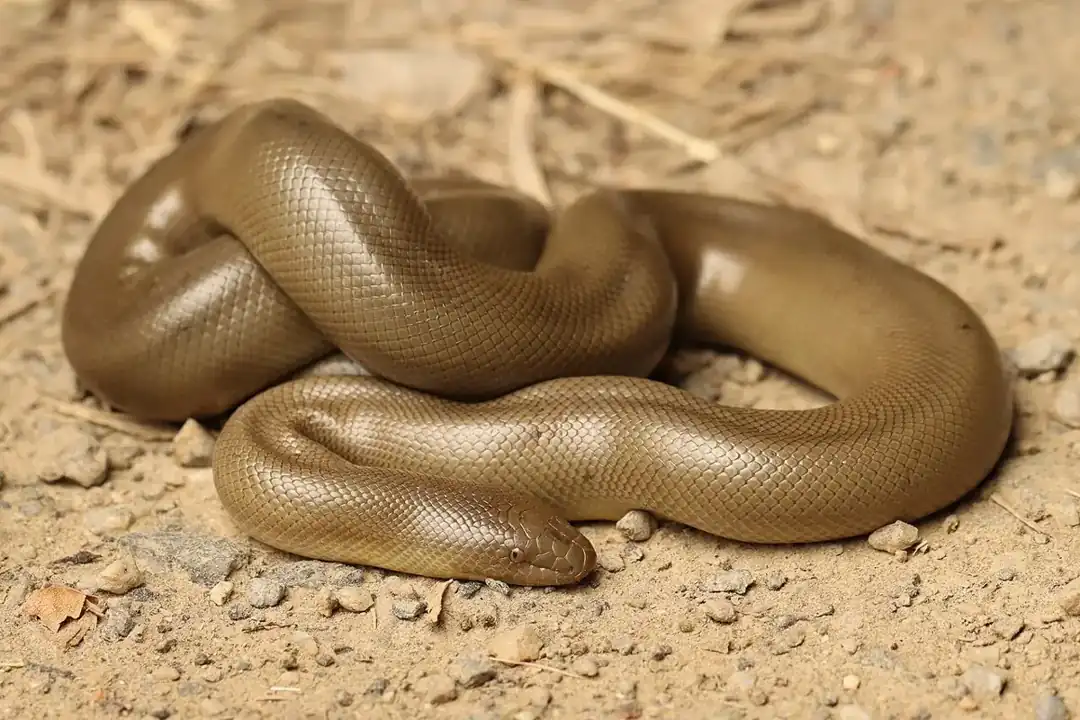
Northern rubber boa
Charina bottae
Northern rubber boas are cool-adapted, secretive snakes whose heat control, escape security and established feeding need particular attention.
Species introduction · Experienced keeper
Long-term commitment; no reliable lifespan range selected for this introduction
 Snakes
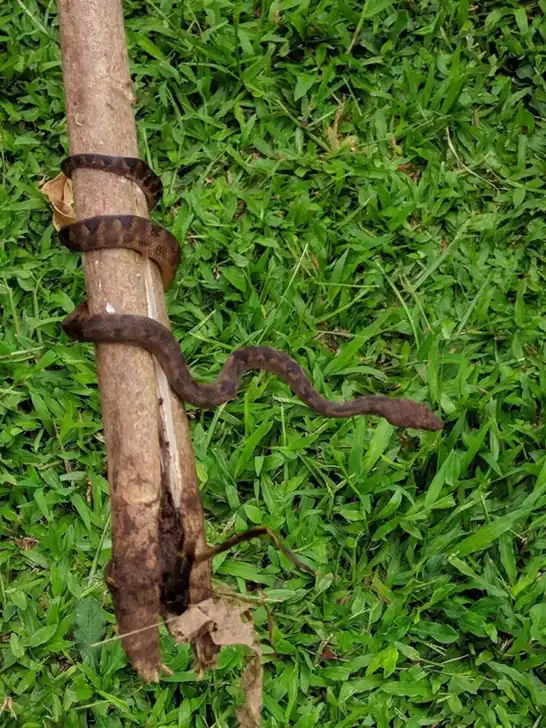
Solomon Island boas
Candoia paulsoni and Candoia bibroni
This group introduction distinguishes Solomon Island ground boas from tree boas before any care plan is selected.
Group introduction · Experienced keeper
Long-term commitment; no reliable lifespan range selected for this introduction
 Snakes
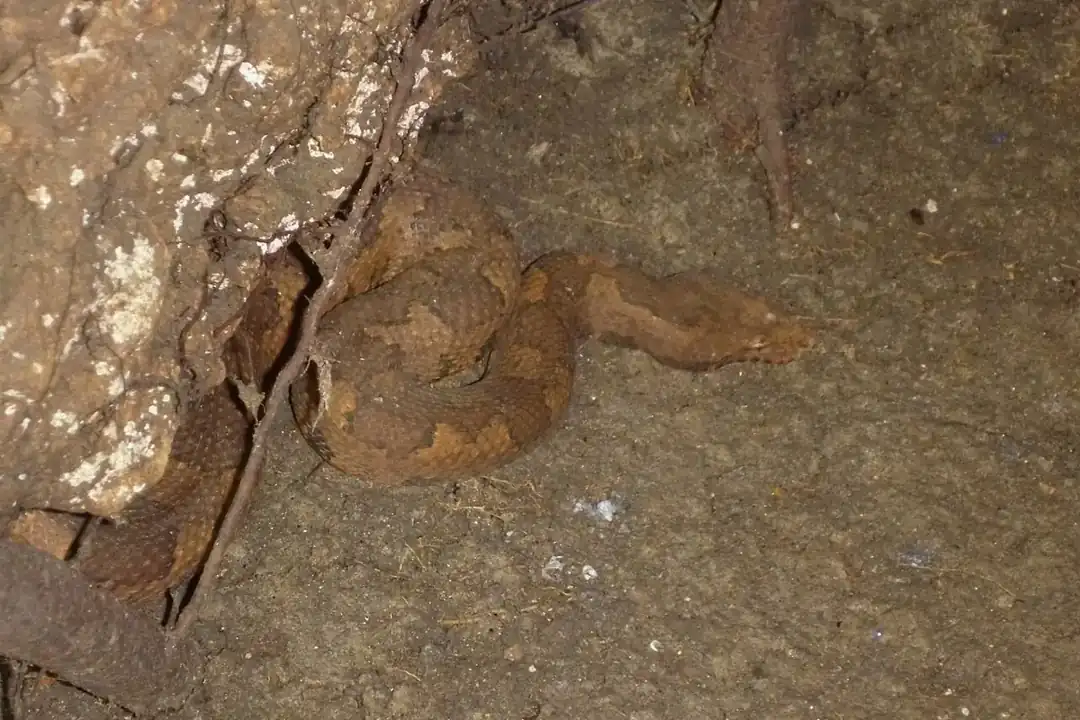
Viper boa
Candoia aspera
Viper boas are secretive New Guinea ground boas with specific water, cover and feeding-history requirements.
Species introduction · Experienced keeper
Long-term commitment; no reliable lifespan range selected for this introduction
Check the guide before planning a setup.
Open the matching introduction to check its scope, follow its sources and start the animal’s setup checklist. Specialist entries explain what still needs individual assessment.