Independent species review: pending. Source-check date: 2026-09-05.
Report a care correction · Offer a species reviewArticle changes
- 2026-09-05 · Added a scoped introduction with verified sources, ownership planning and a practical checklist.
- 2026-09-08 · Expanded practical preparation, maintenance and observation sections, with scoped sources where applicable. This update checks the new material; independent species review remains pending.
At a glance
- Behaviour
- Predominantly nocturnal with extensive use of shelter and burrows. ↗
- Feeding priority
- Monitor portions and condition; strong appetite can lead to overfeeding. ↗
- Commitment reference
- 20–30+ years in Kellyville’s Aspidites guide. ↗
Planning references apply only to the species and life stage described. They do not certify an enclosure, temperament or veterinary fitness.
Use this guide as a starting point alongside the detailed sources below. Health concerns, unexplained changes in behavior, or feeding problems belong with a reptile veterinarian.
A desert snake with sheltered habits
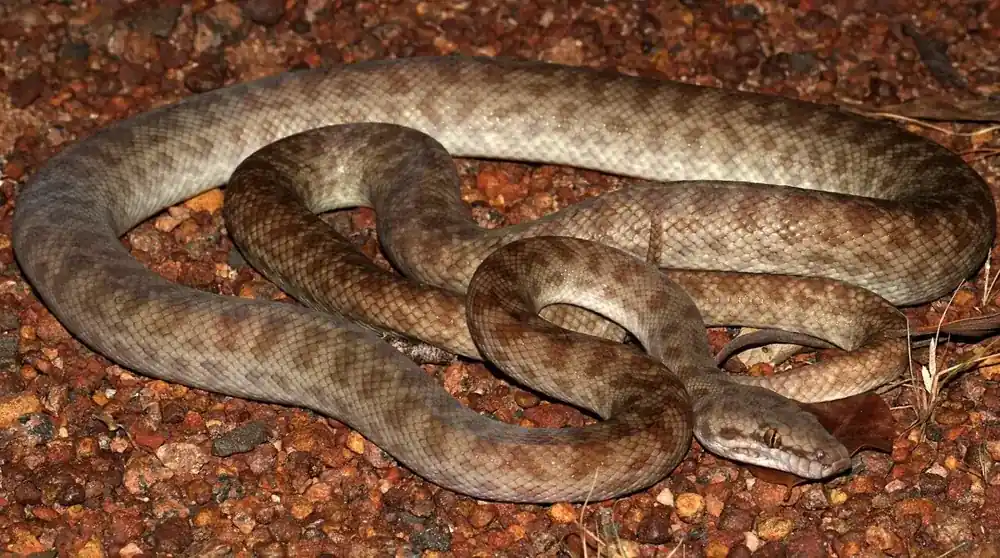
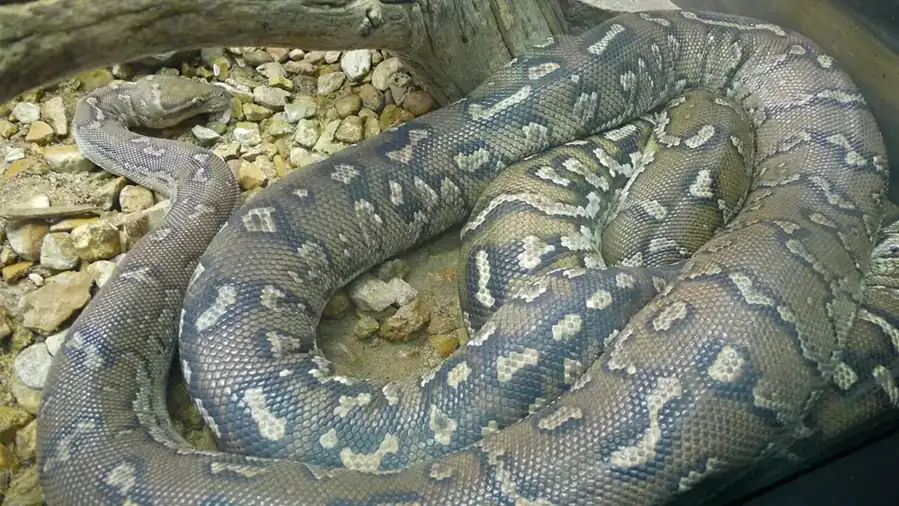
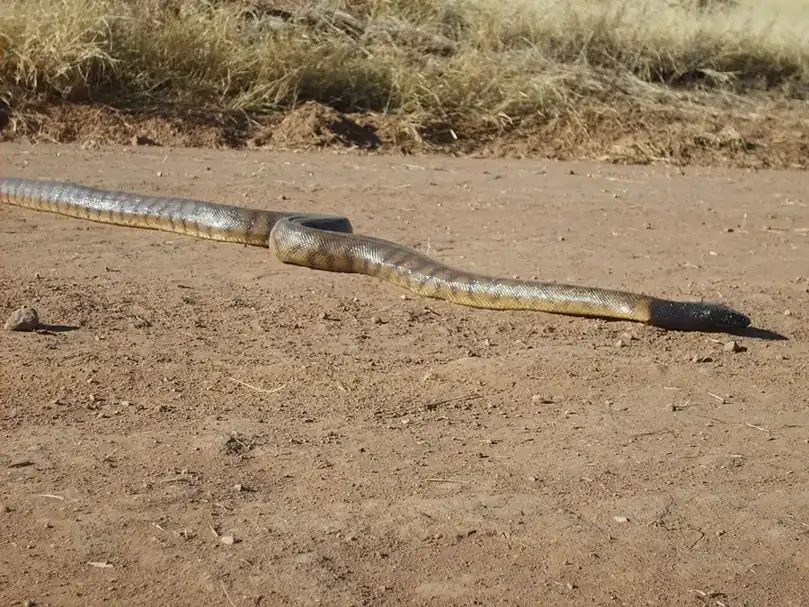
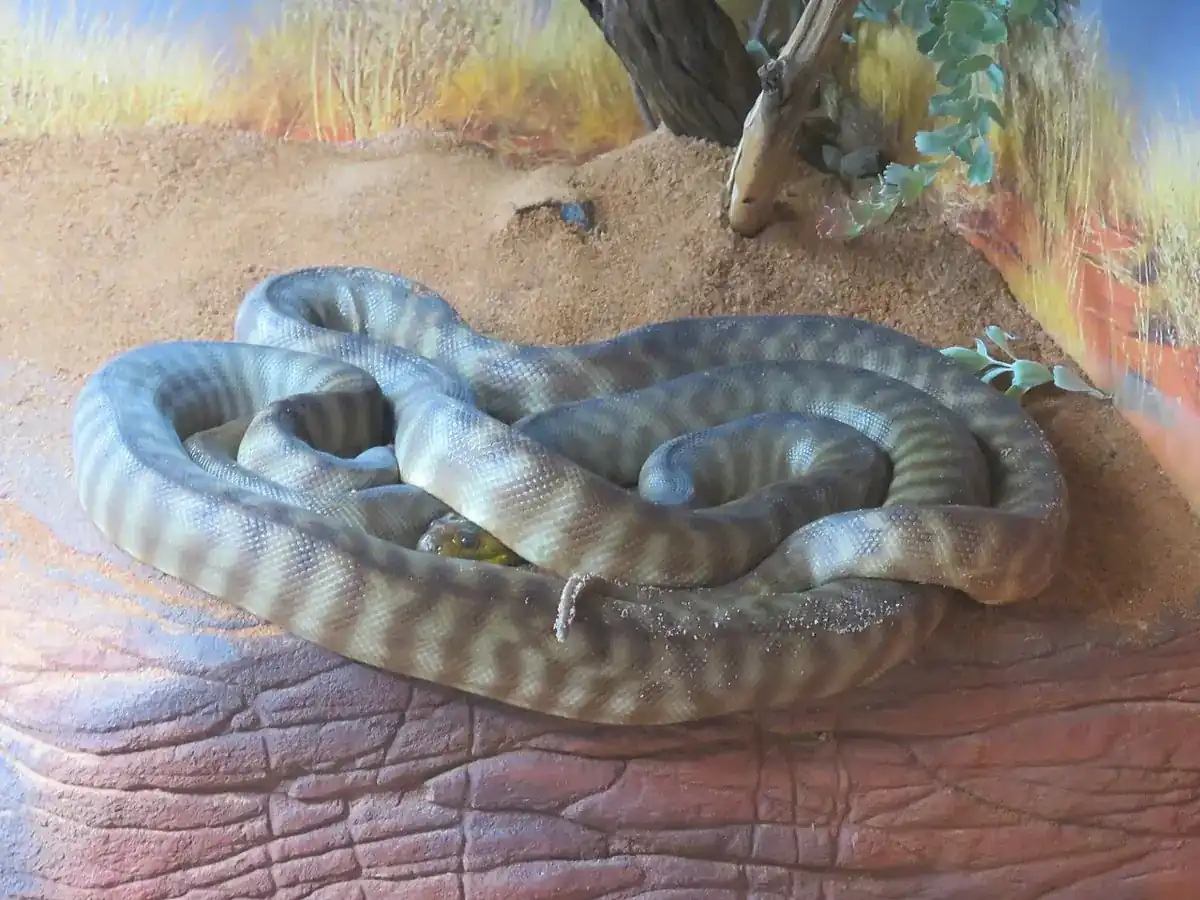
The woma, Aspidites ramsayi, is distinct from the black-headed python. Leo Spinner’s first-hand account describes a mainly nocturnal animal that spends daytime in sheltered places, including burrows. The enclosure needs sheltered places and temperature choices; an exposed, uniformly hot desert display does not provide them. This species suits a keeper willing to monitor an enthusiastic feeder and provide meaningful concealed space.
Design the floor before the ornaments
Spinner describes geographical variation in adult size, including unusually large southern animals. Do not choose permanent housing from a hatchling’s dimensions. Provide room for full extension and movement around furnishings, with snug retreats in different thermal positions. Kellyville’s species-specific guidance recommends a burrowing substrate. Support heavy decorations independently so digging cannot undermine them, and preserve easy inspection of the animal and enclosure.
Provide warm and cooler choices
Spinner reports ambient conditions around 26–29°C (79–85°F) and a hotspot near 32°C (90°F). Kellyville lists somewhat warmer woma basking references, so this introduction does not combine them into a falsely precise universal target. Agree a measured plan with an experienced keeper, including cooler shelter, thermostat control and daily checks. Maintain a normal light-dark cycle and assess optional UVB provision with shade and suitable clearance.
Keep water available and review portions
Follow Kellyville’s advice to maintain fresh drinking water daily; an arid origin does not justify withholding it. Its care guidance uses thawed whole rodents and warns about vigorous feeding responses. Spinner also highlights obesity risk. Present food with suitable equipment, remove tools safely and record portions against body condition. A snake that keeps accepting prey does not necessarily need a larger or more frequent meal.
Budget for the adult routine
Kellyville’s combined Aspidites guide describes a twenty-to-thirty-plus-year commitment. Plan for that timescale, with enclosure upgrades, substrate replacement, reliable environmental equipment and veterinary access. Manual assessment remains necessary because body length and burrowing layout affect usable room. Leave a substitute carer clear feeding and handling instructions, and make enclosure checks possible without dismantling every retreat or repeatedly disturbing the snake.
Make concealed routes part of the build specification
Leo Spinner's firsthand woma account describes a largely nocturnal animal using sheltered places such as burrows. Use that context to plan inspectable concealed routes as well as open movement. A sand-coloured enclosure with one exposed ornament does not demonstrate those opportunities.
Draw the support points beneath any heavy rockwork and keep them independent of loose material the snake can move. Make the shelter lids or cover removable for necessary inspection. Save an empty-enclosure photograph with the plan. During routine care, note where bedding is shifted and whether a preferred route stays usable. These observations help improve the layout without repeatedly uncovering the snake merely to make it visible.
References: Leo Spinner — firsthand woma-python care
Build a food routine that another keeper can follow
Record the exact prey currently accepted, the last successful meal and the normal presentation method. Keep offered and eaten entries distinct, and label frozen prey if several animals use different sizes. A replacement keeper should not have to guess whether food has already been offered that week.
Keep water-service tools separate from feeding tools and prepare the enclosure closure sequence before food is presented. Ask an experienced keeper to demonstrate the appropriate routine for the individual. Review growth and body condition rather than increasing portions simply because the woma responds strongly. Keep enough detail in the feeding record to investigate a meaningful change.
Keep the adult-size question attached to locality evidence
Ask the breeder for documented origin and parental measurements where available, then retain those records with the animal's profile. Where locality is uncertain, do not choose the smallest published adult as a space guarantee. Have an experienced woma keeper review the adult plan and the room in which it will be installed.
Include full-extension space after furnishing, the largest practical water vessel and how each retreat can be cleaned. Record the cost and route of a future upgrade before the juvenile enclosure becomes limiting. A useful build journal shows both the planned dimensions and the service method.
Sources & further reading
Read the full recommendations and check details for your animal, equipment, and local conditions.
- Leo Spinner, Reptiles Magazine — first-hand woma care
- Kellyville Pets — species-separated Aspidites care guidance
Compiled September 2026. Original summaries; not individually reviewed by a veterinarian.