Independent species review: pending. Source-check date: 2026-09-05.
Report a care correction · Offer a species reviewArticle changes
- 2026-09-05 · Added an original species introduction, verified source links, setup checklist, ownership considerations and explicit evidence limits.
- 2026-09-05 · Aligned the displayed experience level with the finder’s classification.
- 2026-09-08 · Expanded practical preparation, maintenance and observation sections, with scoped sources where applicable. This update checks the new material; independent species review remains pending.
At a glance
- Identity
- Aspidites melanocephalus; separate from woma pythons. ↗
- Thermal reference
- Kellyville: basking 34–36°C; cooler area 24–26°C. ↗
- Commitment
- 20–30 years reported by Smithsonian. ↗
Source-specific planning references, not enclosure certification. This introduction has not received independent species review; confirm the individual animal’s care plan before acquisition.
Use this guide as a starting point alongside the detailed sources below. Health concerns, unexplained changes in behavior, or feeding problems belong with a reptile veterinarian.
Identity, habitat and basking behavior
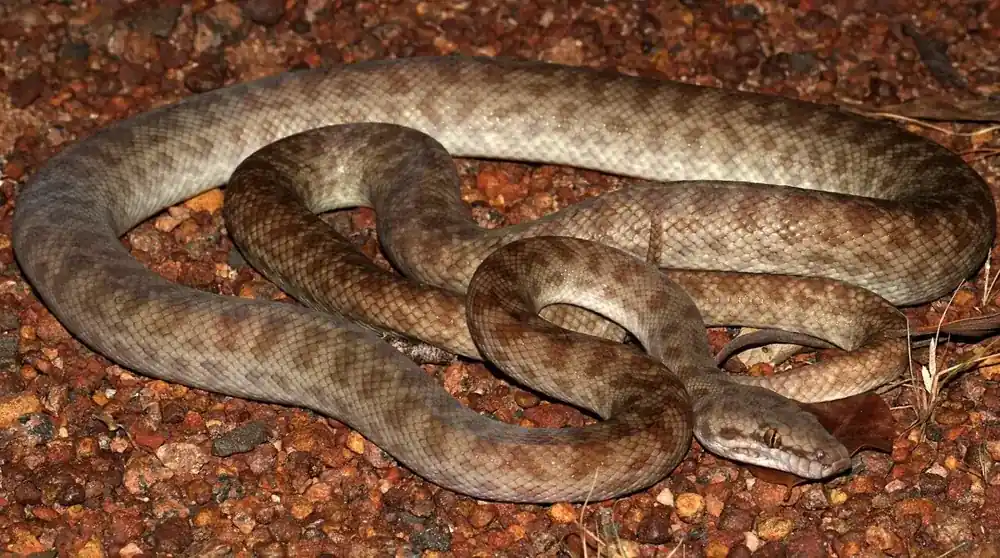
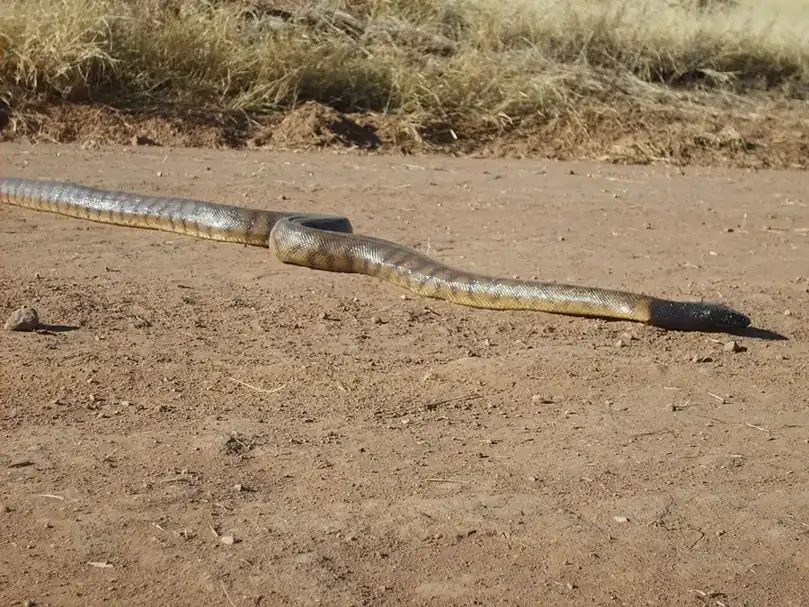
Aspidites melanocephalus is the black-headed python; a woma is a different Aspidites species. Smithsonian describes northern Australian habitats, burrowing and nocturnal activity. Its exposed black head can warm while the body remains concealed. Provide usable retreats and substrate that allow this behavior to be observed.
Make burrowing safe for a large adult
Choose a robust, lockable adult enclosure after checking expected length and current measurements. Provide deep, workable substrate with cover at different temperatures. Support rocks from the enclosure base, and test that displaced bedding cannot jam doors or expose wiring. Include an open movement route rather than filling every available centimetre with heavy scenery.
Measure a local warm area
Kellyville Pets gives a black-headed-python basking reference of 34–36°C (93–97°F), with a cooler area around 24–26°C (75–79°F). Use this as a source-specific starting discussion with an experienced keeper. A hot spot must remain local. Thermostats and independent probes should reveal overheating within retreats as well as acceptable room temperature.
Check the burrow, not just the air
Water must remain available even in a dry-looking habitat. Inspect buried substrate for damp waste and preserve ventilation. A soaked burrow and a humid shedding refuge are different conditions. Establish daytime lighting and shaded withdrawal routes; this introduction does not assign an unsupported UV index or a single humidity number to every origin and enclosure.
Separate food expectations from servicing
Wild diets contain many reptiles, according to Smithsonian, but Kellyville describes captive feeding with thawed rodents. Ask for an established feeding history before purchase. Keep a consistent servicing routine and assess body condition rather than feeding whenever the snake responds strongly. Arrange experienced assistance with adult handling; temperament labels do not replace a practical maintenance plan.
Plan beyond the purchase price
Smithsonian reports a 20–30-year lifespan. Substrate replacement, large furnishings, prey storage, secure transport and veterinary access belong in the budget. Design an accessible temporary holding arrangement before the first major clean. The daily attraction is watching exploration and concealment; repeated handling is not necessary for the animal to be an engaging long-term responsibility.
Make concealment part of the thermal layout
Smithsonian describes black-headed pythons regulating exposure while much of the body remains hidden in a burrow. Plan the relationship between shelter and warmth around that behaviour.
On your plan, show covered resting choices in different measured positions and a route between them. Note which parts can be inspected without dismantling all the substrate. During observation, record whether the snake uses cover, open ground or a particular entrance at different times. These notes help assess the opportunities offered by the layout. They do not justify copying outdoor desert extremes or deciding a heat setting from head position alone.
References: Smithsonian's National Zoo — black-headed python burrows and heat regulation
Ask how this individual moved onto its captive diet
Before purchase, request the exact whole prey accepted voluntarily, its size, preparation and the recent meal record. Ask whether any special presentation is still needed. A natural-history list containing reptiles does not demonstrate what a captive individual will reliably eat, and it should not become a shopping list of wild-caught feeders.
Keep the transition history beside current food records, including failed offers. Review portions against body condition with experienced advice rather than escalating food whenever the animal responds. For a replacement carer, make the normal service routine distinct from food presentation and label prey storage clearly. The practical goal is a stable, documented diet that someone else can continue.
Check the adult build from beneath the substrate upward
List every item that digging might shift: rocks, bowls, cable covers, hide entrances and the bedding beside the doors. Support heavy pieces from a secure base and save an empty-enclosure photograph showing the arrangement. Leave enough accessible floor after furnishing for the adult to move freely.
During the maintenance trial, remove the largest water vessel and inspect the rear shelter. Record whether tools or hands must cross an occupied area and obtain experienced advice about the service design. Include the equipment and people needed for a necessary adult transfer. The long-term project is easier to judge when cleaning and containment receive as much planning as the finished appearance.
Sources & further reading
Read the full recommendations and check details for your animal, equipment, and local conditions.
- Smithsonian National Zoo — black-headed python natural history
- Kellyville Pets — separate woma and black-headed python care references
Compiled September 2026. Original summaries; not individually reviewed by a veterinarian.