Independent species review: pending. Source-check date: 2026-09-05.
Report a care correction · Offer a species reviewArticle changes
- 2026-09-05 · Added a scoped introductory guide with sources, commitment and ownership planning.
- 2026-09-05 · Added the Stimson’s taxonomy and locality note, search aliases and an individual assessment requirement.
- 2026-09-08 · Expanded practical preparation, maintenance and observation sections, with scoped sources where applicable. This update checks the new material; independent species review remains pending.
At a glance
- Adult starting enclosure
- 36 × 18 × 18 in (about 91 × 46 × 46 cm); enlarge for longer animals. ↗
- Identification
- Antaresia childreni; retain locality records. ↗
The general adult housing reference does not validate every locality or an animal sold under the Stimson’s name. Read the taxonomy and locality note and obtain an individual plan.
Use this guide as a starting point alongside the detailed sources below. Health concerns, unexplained changes in behavior, or feeding problems belong with a reptile veterinarian.
Small does not mean short-lived
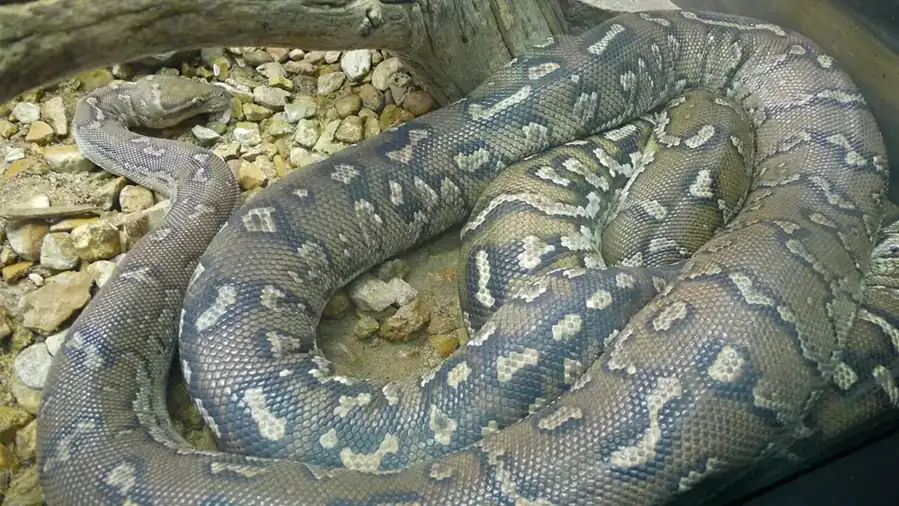
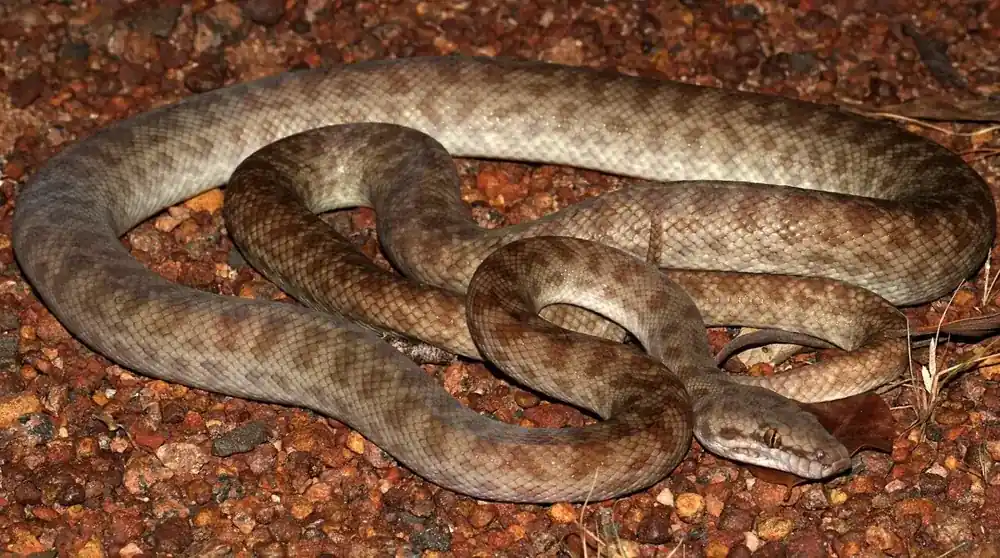
Children’s python is named for John George Children, not for suitability as a child’s independent responsibility. This page covers animals identified as Antaresia childreni; retain locality details and do not silently substitute a spotted-python or other Antaresia plan. A well-established feeder can suit a prepared keeper who is comfortable with whole rodents and daily environmental checks.
Stimson’s pythons and locality
Stimson’s pythons are often still labelled Antaresia stimsoni in trade and older care literature. Esquerré and colleagues’ 2021 genetic and morphological study found no species-level separation from Antaresia childreni and treated the names within one species. This guide makes that connection searchable while preserving the original trade name and locality in the animal’s records.
A shared scientific name does not establish identical conditions for every population. Keep the breeder’s origin, feeding history and measured care records. Resolve a locality-appropriate climate and adult housing plan before applying the general references below. The finder requires an individual assessment for this expanded scope.
References: Esquerré et al. (2021) — Antaresia phylogeography and species boundaries
Plan the adult home
The Bio Dude uses a 36 × 18 × 18 inch adult starting enclosure, approximately 91 × 46 × 46 cm; increase space if the individual cannot extend fully. Give a youngster close-fitting cover and check every door edge and cable opening. Include both floor shelters and secure elevated routes. Small snakes can exploit gaps that appear harmless when you examine an empty enclosure.
Use the natural history practically
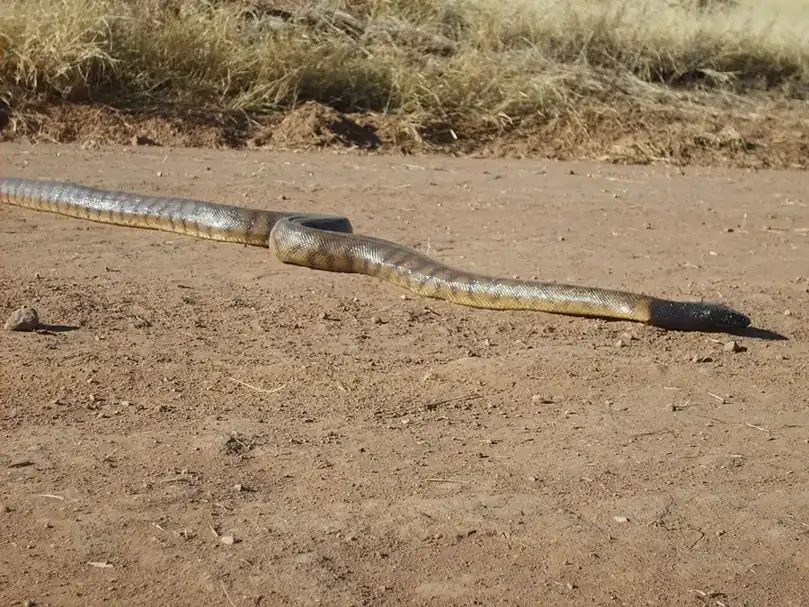
Backyard Buddies describes a nocturnal Australian snake that shelters in covered places. Build a home with concealed travel routes and look for activity in the evening, instead of repeatedly lifting its shelter to see it. Keep an observation note about which hide or branch is used. That record can help you distinguish a normal favourite location from a change after moving equipment.
Heat, light and a humid refuge
The Bio Dude’s plan uses a basking surface around 32–38°C (90–100°F), with a cooler side around 24–27°C (75–80°F). Control the heat source and verify both locations independently. Provide daytime lighting, shaded shelter and UVB installed to the specific fixture’s guidance. A clean humid hide and drinking bowl allow moisture choice; avoid turning the entire floor into a damp retreat.
Record feeding and body condition
Ask the seller for the prey type, recent meal dates and any refusals. Offer suitable thawed whole rodents with tongs and give the animal quiet time to establish feeding. Record weight with comparable conditions so growth and body condition can guide the meal plan. A single refusal is information; repeated changes accompanied by declining condition need a reptile veterinarian.
Plan for long-term running costs
The Bio Dude reports 20–30 years with good care. Our standard budget tier still includes controlled heating, measuring instruments, lamp replacement, prey and veterinary reserves. Keep emergency care instructions beside your notebook profile. For holidays, show a caretaker how to check locks and actual temperatures, and record when food was last offered so two people do not accidentally duplicate a meal.
Keep the historical name searchable
The Antaresia research by Esquerré and colleagues reassessed species boundaries, including the relationship between Children's and Stimson's pythons. That does not mean an older breeder label should be deleted from an animal's history.
Use one current profile while retaining the original name, locality and breeder's identification verbatim in a notes field. Attach the relevant source and the date you reviewed it. When sharing a care handoff, give the current identification and legacy label together so past veterinary records still make sense. If locality was never documented, record it as unknown rather than inferring it from pattern. This keeps a taxonomic update from becoming a fictional provenance claim.
References: Esquerré et al. — Antaresia species boundaries
Prepare the container before the cleaning day
Choose secure temporary accommodation before you need to remove a small Children's python. Check its closure, ventilation openings and stability, and identify a quiet place for it during maintenance. Keep the lid and any clips beside the container rather than in another room.
In the main habitat, photograph cable entries and sliding-door overlaps as part of the setup review. Recheck them after moving probes or replacing fittings. Record any modification, especially an improvised gap cover that might loosen during cleaning. A short handover note should tell a carer where the snake commonly hides and which closures must be checked. This makes routine maintenance manageable without a long search through the enclosure.
Use a simple feeding handover when life gets busy
Write the currently accepted prey and the last successful meal beside the animal's profile, keeping offered and eaten dates distinct. Include the breeder's original routine so later changes are visible. A shared calendar should not create two independent feeding reminders for the same snake.
At an agreed review point, compare meals with growth and body condition instead of automatically retaining the juvenile schedule. Save important changes as dated notes. If the animal's care is handed to another household member, review this history together and show them how to log a refusal. The next keeper should be able to follow the history without reconstructing it from texts or memory.
Sources & further reading
Read the full recommendations and check details for your animal, equipment, and local conditions.
- The Bio Dude — Children’s python housing and environment
- Backyard Buddies — natural history and behaviour
- Kellyville Pets — Children’s and spotted python routine care
- Esquerré et al. (2021) — Antaresia phylogeography and species boundaries
Compiled September 2026. Original summaries; not individually reviewed by a veterinarian.