Independent species review: pending. Source-check date: 2026-09-05.
Report a care correction · Offer a species reviewArticle changes
- 2026-09-05 · Added a scoped introduction with verified sources, ownership planning and a practical checklist.
- 2026-09-05 · Aligned the displayed experience level with the finder’s classification.
- 2026-09-08 · Expanded practical preparation, maintenance and observation sections, with scoped sources where applicable. This update checks the new material; independent species review remains pending.
At a glance
- Species scope
- Liasis fuscus; other water-python names need separate identification. ↗
- Adult-size reference
- West Australian Reptile Park reports growth to 3 m. ↗
- Climate targets
- Not established by this introduction; complete an individual care plan. ↗
Planning references apply only to the species and life stage described. They do not certify an enclosure, temperament or veterinary fitness.
Use this guide as a starting point alongside the detailed sources below. Health concerns, unexplained changes in behavior, or feeding problems belong with a reptile veterinarian.
Confirm which water python
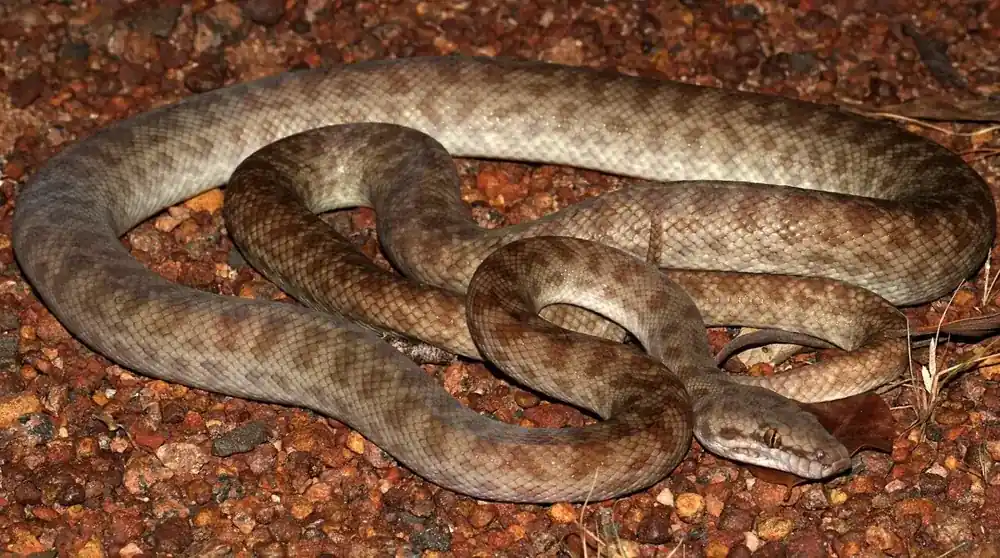
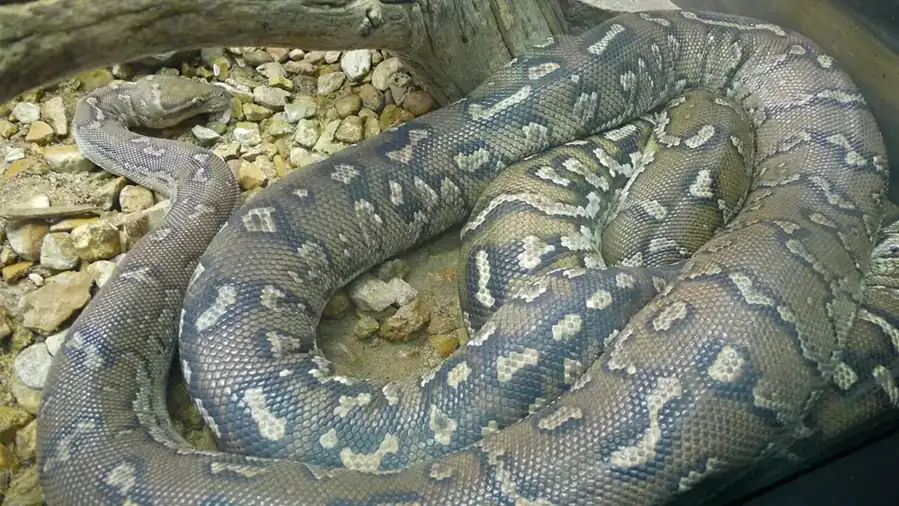
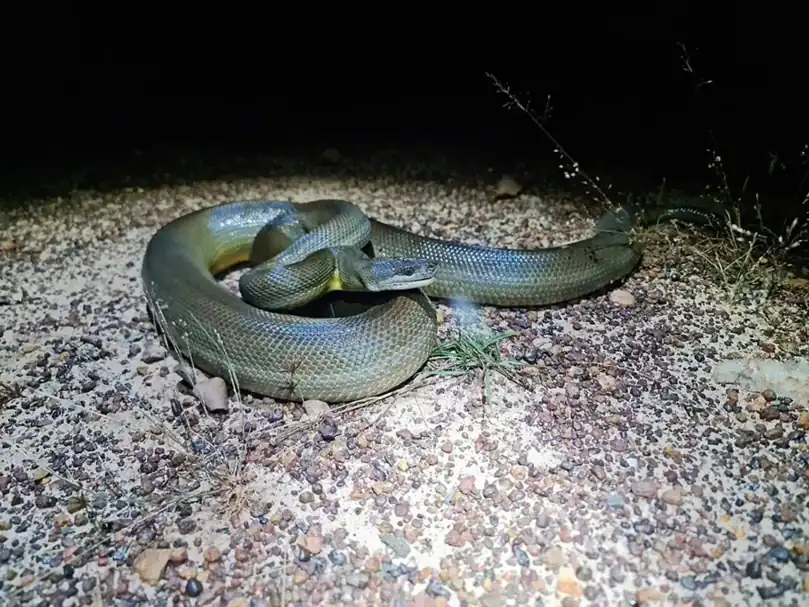
This introduction concerns Liasis fuscus. The wider water-python label also appears in discussions of other Liasis, including Macklot’s and Dunn’s pythons. Drew Vliet’s captive-status account distinguishes those animals and describes Australian and New Guinea lineages in the trade. Keep that information with the snake’s records. Appearance and a common-name listing alone are not enough to select a detailed care plan.
The land area matters
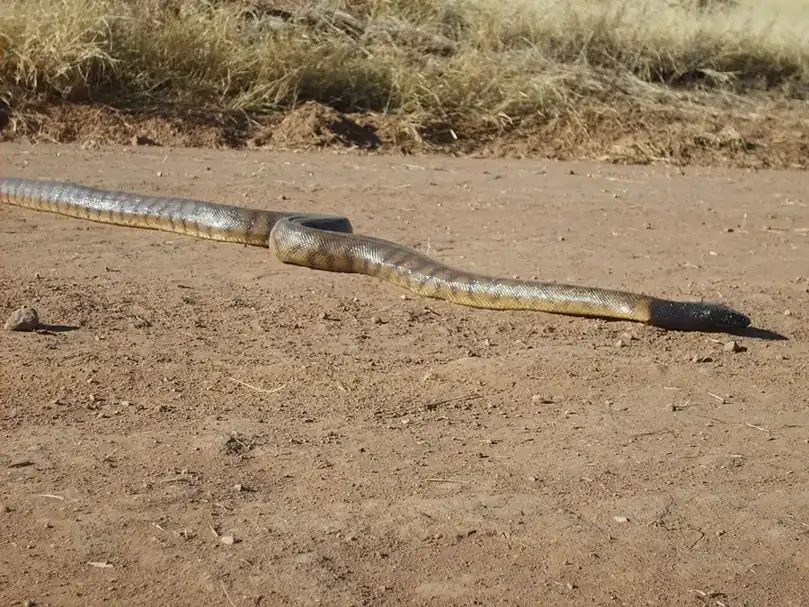
West Australian Reptile Park reports a mostly nocturnal snake capable of reaching three metres. Charles Darwin University’s field summary describes animals following rats across floodplains and into soil cracks during the dry season. Water association therefore does not justify an aquarium-style habitat. Plan generous terrestrial movement, covered resting positions and secure access to clean water; assess the actual adult before choosing enclosure dimensions.
Resolve the climate plan before arrival
The sources here do not establish a sufficiently complete captive temperature, humidity or UVB schedule for this species. Obtain one from a keeper experienced with the documented lineage and a reptile veterinarian. MSD’s general husbandry guidance supports a monitored thermal gradient and guarded, thermostat-controlled heat. Record the proposed values and measurement positions explicitly; a description such as tropical cannot be a usable equipment setting.
Plan ongoing maintenance
This is an ownership introduction with unresolved husbandry details, so the finder cannot certify a match. Budget for a large adult enclosure, water-container cleaning, climate instruments and an experienced veterinarian. We have not verified a defensible species-specific lifespan estimate here. Plan sustained care and a replacement carer, and settle the missing climate and adult-space assessment before purchasing the animal or an enclosure package.
Use floodplain research for context, not a captive timetable
Charles Darwin University's field summary describes water pythons tracking dusky rats as floodplain conditions change, including use of soil cracks in the dry season. These observations explain why the common name should not suggest a permanently aquatic enclosure.
The research does not establish a home feeding interval or a complete captive climate plan. Keep field ecology separate from maintenance recommendations in your reference notes. Ask a specialist what evidence supports each proposed captive condition for the identified lineage. When a source describes an opportunistic wild food or a seasonal movement, do not assume it must be recreated literally. Use the information to ask better questions about available choices and reliable care.
References: Charles Darwin University — water-python field ecology
Draw the dry-land route and water service route together
On the adult enclosure plan, show continuous terrestrial movement, full-body shelter and access to clean water. Then draw how a full basin is emptied or removed and where wet equipment is handled. Check that water service does not require dismantling the animal's only concealed resting place.
Mark surfaces where splashing or runoff could leave bedding saturated and make them accessible for inspection. Record the completed routine in the project journal, including ordinary service time and awkward steps discovered during an empty trial. Revise those details before the habitat is occupied. Include concealed land areas in the maintenance routine.
Identify the unanswered questions before acquisition
This introduction does not provide a validated captive climate schedule. Before purchasing a water python, obtain its scientific identification, documented lineage, adult-size expectation, established feeding history and the complete proposed temperature, moisture and lighting plan. Ask a species-experienced adviser to review the measurement locations as well as the numbers.
Record who can provide veterinary care and practical backup service for the expected adult. Include secure transport and alternative accommodation during equipment failure. Keep missing answers visible in the plan, rather than allowing a supplier's generic tropical-python kit to answer them by default. Delay purchase until these care arrangements are in place.
Sources & further reading
Read the full recommendations and check details for your animal, equipment, and local conditions.
- Charles Darwin University, Penny Wurm — water python field ecology
- West Australian Reptile Park — Liasis fuscus natural history
- Drew Vliet — distinctions within captive water pythons
- MSD Veterinary Manual — general reptile housing safeguards
Compiled September 2026. Original summaries; not individually reviewed by a veterinarian.