Independent species review: pending. Source-check date: 2026-09-05.
Report a care correction · Offer a species reviewArticle changes
- 2026-09-05 · Added a scoped introduction with verified sources, ownership planning and a practical checklist.
- 2026-09-05 · Aligned the displayed experience level with the finder’s classification.
- 2026-09-08 · Expanded practical preparation, maintenance and observation sections, with scoped sources where applicable. This update checks the new material; independent species review remains pending.
At a glance
- Keeper thermal reference
- About 29°C heat spot and 26°C cooler end; assess the individual. ↗
- Humidity reference
- About 60% in Sørensen’s setup; not a reason for constant wetness. ↗
- Commitment
- Individuals have lived beyond 20 years. ↗
Planning references apply only to the species and life stage described. They do not certify an enclosure, temperament or veterinary fitness.
Use this guide as a starting point alongside the detailed sources below. Health concerns, unexplained changes in behavior, or feeding problems belong with a reptile veterinarian.
The name can mislead
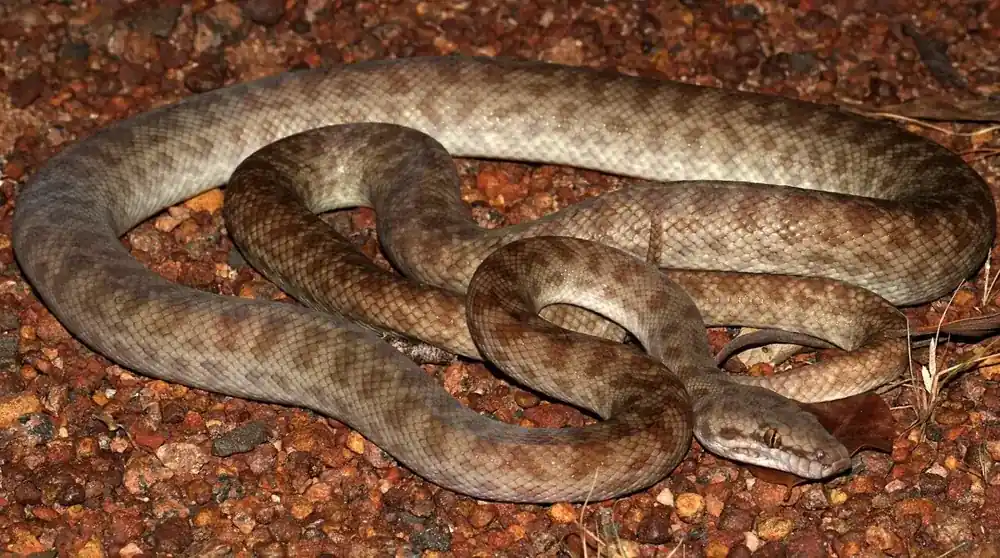
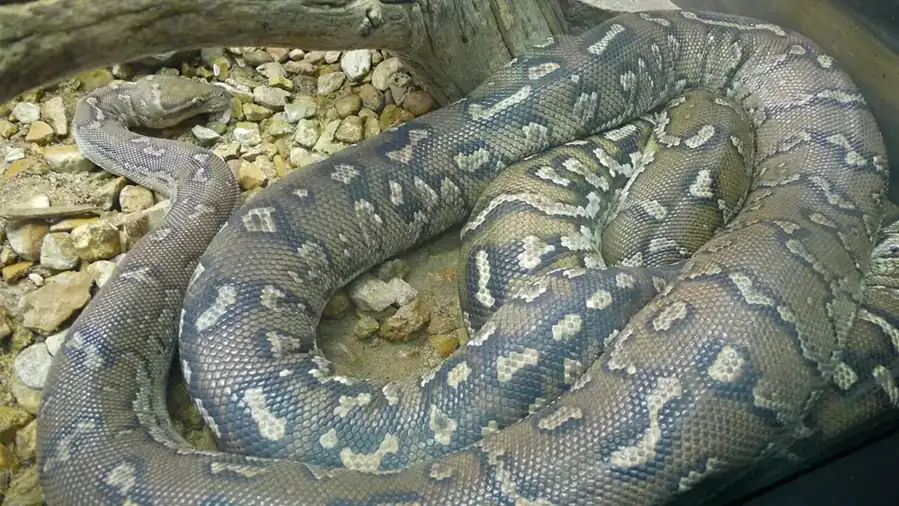
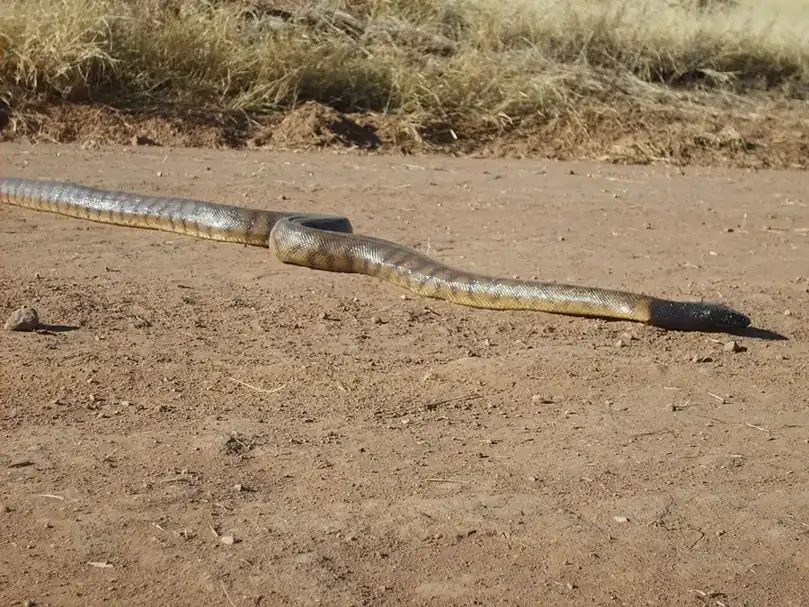
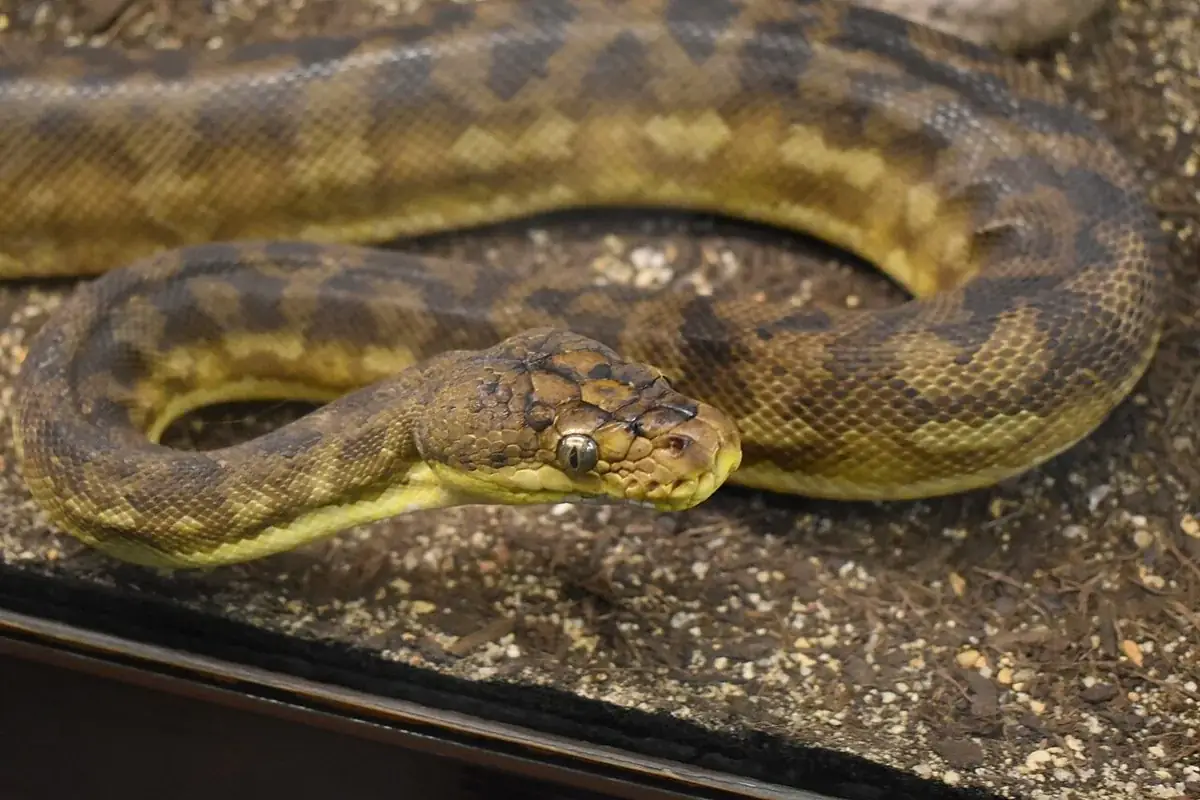
Timor pythons are Malayopython timoriensis, also called Lesser Sundas pythons. Despite the common name, Smithsonian’s National Zoo does not report them from Timor itself. Its account describes an exceptionally active, nervous snake. Captive experience varies: keeper Paul Sørensen reports calmer behaviour in animals raised in captivity. Choose on documented individual history rather than a promise that the species will enjoy handling.
Allow movement in more than one direction
Smithsonian gives a typical adult length of roughly 1.5–2.4 metres (5–8 feet). That range makes a juvenile enclosure a temporary purchase. Plan room for full extension, connected climbing opportunities and concealed rest without blocking the usable floor. Sørensen recommends additional height for climbing. Our planner requires manual assessment because his published base enclosure should not become a universal fit for every adult.
Use a keeper reference carefully
Sørensen reports a heat spot around 29°C (84°F), a cooler end around 26°C (79°F), and approximately 60% humidity. Treat these as one keeper’s measured starting reference, checked against the individual and enclosure. Guard and control heaters, and log humidity before increasing spraying. His breeding-related winter cooling and fasting routine is not included as routine pet care in this introduction.
Support steady growth
At Smithsonian, young animals receive mice and adults transition to rats. The zoo connects the species’ high metabolism with its active lifestyle. Ask the previous keeper for prey sizes, meal dates and weight history, then monitor condition during growth. Appetite is useful information, but it does not remove the need to review portions. Record activity and shedding alongside meals so changes are easier to interpret.
Build a sustainable care routine
Smithsonian reports individuals living beyond twenty years. Budget for the adult enclosure, dependable heat control, climbing furnishings and a reptile veterinarian. Put the habitat somewhere the snake can retreat from household traffic, and arrange essential removal before it is needed. A useful weekly review asks which spaces the animal uses, whether furnishings remain secure and whether the care record shows a meaningful change.
Plan for movement before choosing a display position
Smithsonian describes the Timor python as particularly active and often nervous. Consider the traffic around the habitat, its visual cover and the route to water while selecting its location. A large enclosure beside constant movement may still make quiet observation and routine service difficult.
Draw concealed resting options and connected elevated routes, then check that they leave usable floor space. Record where the snake can withdraw while water is serviced. Ask an experienced keeper to review the access arrangement before construction. During normal observation, note which areas are used at different times rather than judging the whole habitat from a sleeping daytime photograph. The goal is useful space that remains serviceable.
References: Smithsonian's National Zoo — Timor python activity and behaviour
Review activity alongside feeding records
Keep dated meals, approximate prey size, comparable weights and observations of movement together. Ask the previous keeper for the same information so you can compare a real baseline after transfer. An active-looking snake and an eager feeding response do not by themselves establish how much food the individual needs.
Discuss meaningful changes in body condition with an experienced reptile veterinarian. Save the advice and later adjustments rather than replacing the old schedule without explanation. A care handoff should show the last successful meal and the usual presentation, with refusal logged separately. This helps carers follow changes to a juvenile's feeding routine.
Keep a breeder's winter program out of a basic care handoff
When reading the DKPythons account, separate ordinary maintenance from its reproduction-related cooling and fasting. Record the author, species, life stage and measurement positions before comparing that account with another source. A seasonal breeding routine should not become the default just because it appears on the same page as useful housing advice.
For your own python, obtain a coherent non-breeding plan and include the agreed current routine in the handoff. Specify who should be contacted before environmental changes. Keep the actual day and night readings with the source notes, including what the room can provide in warm weather. These records allow an adviser to review how the sources apply to the individual animal.
Sources & further reading
Read the full recommendations and check details for your animal, equipment, and local conditions.
- Paul Sørensen, DKPythons — first-hand Timor python care
- Smithsonian National Zoo — behaviour, size, diet and lifespan
Compiled September 2026. Original summaries; not individually reviewed by a veterinarian.