Independent species review: pending. Source-check date: 2026-09-05.
Report a care correction · Offer a species reviewArticle changes
- 2026-09-05 · Added an original species introduction, verified source links, setup checklist, ownership considerations and explicit evidence limits.
- 2026-09-08 · Expanded practical preparation, maintenance and observation sections, with scoped sources where applicable. This update checks the new material; independent species review remains pending.
At a glance
- Larger-adult housing reference
- About 152 × 61 × 61 cm; finder rounds length up to 153 cm. ↗
- Thermal reference
- Breeder: warm area 29–32°C; cooler end 24–27°C. ↗
- Humidity reference
- Breeder: 50–70%, assessed with ventilation and substrate condition. ↗
Source-specific planning references, not enclosure certification. This introduction has not received independent species review; confirm the individual animal’s care plan before acquisition.
Use this guide as a starting point alongside the detailed sources below. Health concerns, unexplained changes in behavior, or feeding problems belong with a reptile veterinarian.
Identify the spotted python you have
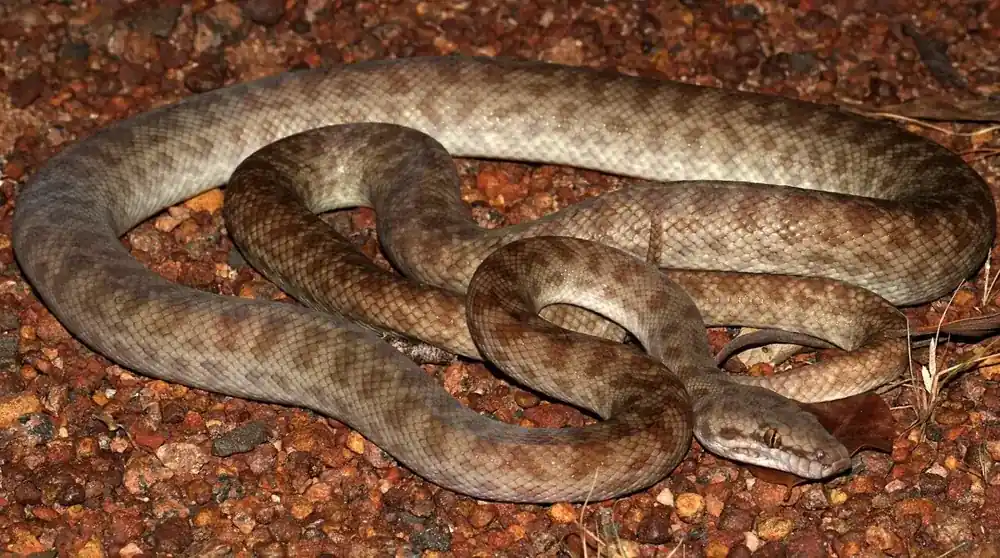
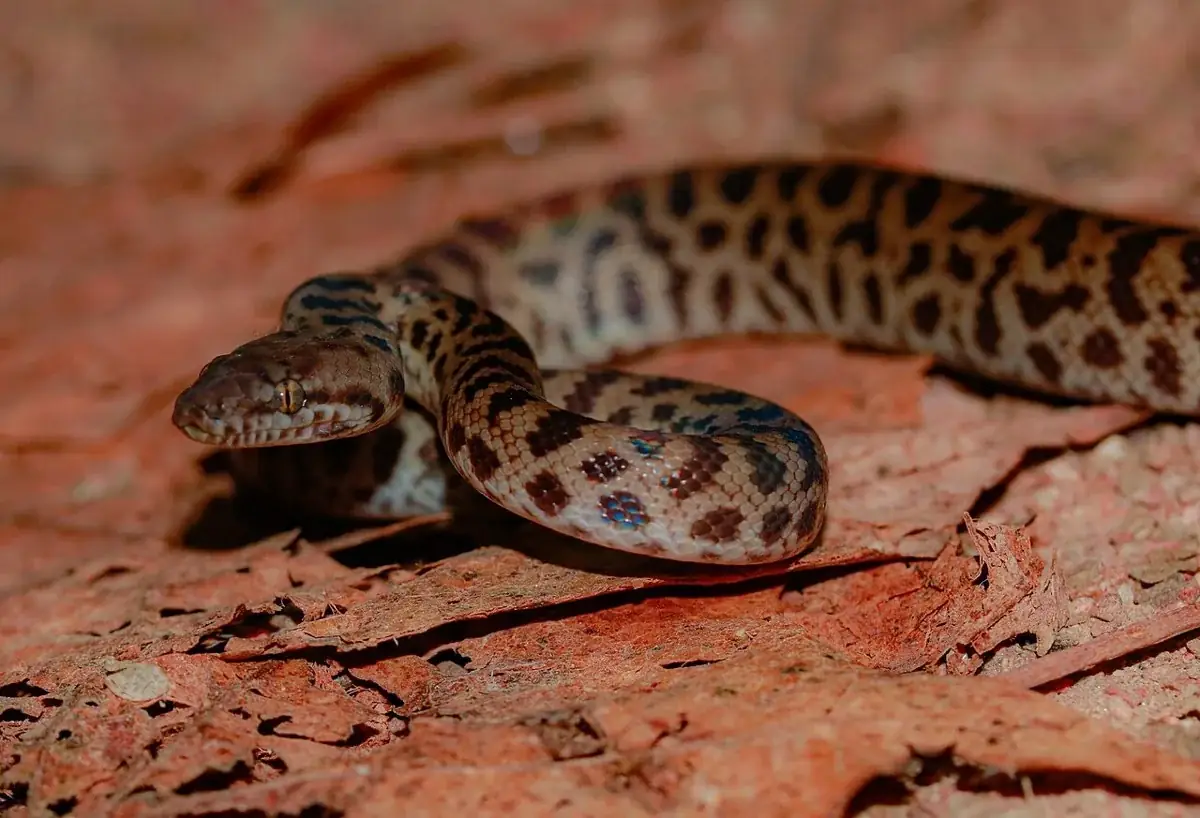
Antaresia maculosa is the Australian spotted python. Retain locality and parent-size information where available rather than grouping every Antaresia under one care label. Mariah Healey’s care article describes substantial adult size variation, including larger Cape York animals. A well-established feeder can suit a prepared keeper seeking occasional handling and regular evening observation.
Plan for the larger adult possibility
Healey describes larger adults needing approximately 152 × 61 × 61 cm (5 × 2 × 2 ft). The finder uses a rounded-up 153 cm length as a conservative planning reference, not enclosure certification. Retain full-extension room, sturdy climbing branches and warm and cool cover. Place elevated retreats where they can be inspected and removed securely.
Record temperatures where the snake rests
American Made Exotics gives a warm-area reference of 29–32°C (85–90°F) and a cooler end around 24–27°C (75–80°F). Use thermostatic control and independent measurements in both retreats. The sources differ on UV provision; plan shaded daytime lighting and seek fixture-specific advice rather than assigning an unverified lamp distance or treating nocturnal activity as a reason for permanent darkness.
Make moisture and cleanliness observable
American Made Exotics uses a humidity reference of 50–70%; ventilation and measurement position affect the reading. Provide clean water in a stable bowl and monitor the substrate beneath it. A bioactive display still needs inspection and waste removal. If you choose one, keep plants and cleanup organisms from obstructing access to the snake’s retreats or equipment.
Feed for condition, not maximum growth
Choose an animal reliably accepting appropriately sized thawed whole prey. Healey suggests longer adult feeding intervals than some breeder sheets, illustrating why a fixed schedule should not replace body-condition assessment. Record meals, growth and sheds, and adjust with experienced guidance. Avoid borrowing a rapid juvenile-growth schedule for an inactive adult simply because it continues to accept food.
Plan for decades of care
American Made Exotics reports lives around twenty years. Budget for enclosure upgrades, replacement lighting and controls, prey storage and veterinary care. Prepare a short caretaker sheet showing hiding places, water access and equipment checks. An accessible, varied habitat makes routine observation rewarding while keeping maintenance practical through moves, holidays and changes in the keeper’s daily schedule.
Preserve locality and identification records
At acquisition, keep the breeder's documented Australian locality, current scientific identification and any older labels together. Request the evidence behind each detail instead of choosing a locality from the spotted pattern. Preserve source documents in the animal's private record.
Ask about parent measurements and the individual animal's growth rather than using the smallest adult reported online as a permanent housing promise. Where origin is unknown, record it as unknown. A future keeper should be able to see the evidence behind the profile without reconstructing a sale conversation. Retain information that helped establish the care plan when taxonomy or trade labels change.
Schedule the upgrade while the present habitat still works
Keep a project note with current length, usable internal enclosure dimensions and the space available after furnishing. Include the future location, likely costs and installation route for a larger habitat. Review it at a planned growth checkpoint instead of waiting until the snake cannot extend comfortably.
If the next habitat changes substrate or lighting style, allow time to establish and measure it before transfer. Photograph the previous arrangement and preserve familiar functional resources where appropriate. Keep the adult plan attached to the individual animal, not a shared generic python checklist. This makes the financial and practical commitment visible while there is still time to make deliberate choices.
Maintain the routes through a furnished enclosure
In a planted or naturalistic habitat, record how the snake reaches elevated cover, the ground refuges and water. Check that growing plants and moved branches do not block doors, probes or access for waste removal. Keep important supports removable and document their attachment points.
During maintenance, note any repeatedly soiled or inaccessible area and revise that feature. A bioactive substrate does not replace the need to know where the animal rests or how the enclosure is serviced. Show a backup keeper the ordinary water-change route and the closure checks. Record the adjustments needed to keep the habitat usable as the animal and plants grow.
Sources & further reading
Read the full recommendations and check details for your animal, equipment, and local conditions.
- Mariah Healey / The Bio Dude — spotted python housing and care
- American Made Exotics — direct spotted python husbandry account
Compiled September 2026. Original summaries; not individually reviewed by a veterinarian.