Independent species review: pending. Source-check date: 2026-09-05.
Report a care correction · Offer a species reviewArticle changes
- 2026-09-05 · Added a scoped introduction with verified sources, ownership planning and a practical checklist.
- 2026-09-05 · Aligned the displayed experience level with the finder’s classification.
- 2026-09-08 · Expanded practical preparation, maintenance and observation sections, with scoped sources where applicable. This update checks the new material; independent species review remains pending.
At a glance
- Identify the animal
- Simalia is a group; species and locality affect planning. ↗
- Australian species commitment
- Sydney Zoo reports 20–30 years for S. kinghorni only. ↗
Planning references apply only to the species and life stage described. They do not certify an enclosure, temperament or veterinary fitness.
Use this guide as a starting point alongside the detailed sources below. Health concerns, unexplained changes in behavior, or feeding problems belong with a reptile veterinarian.
Confirm the species and locality
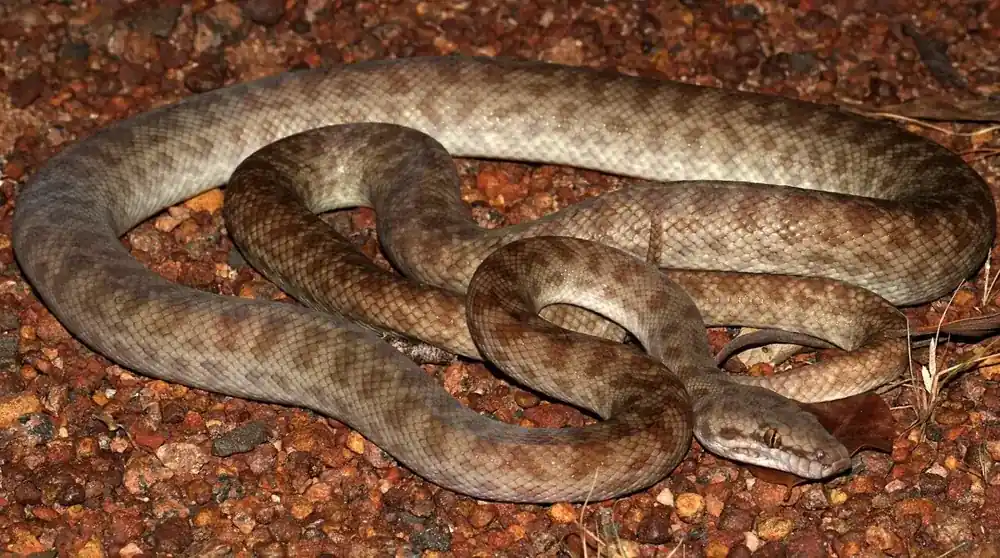
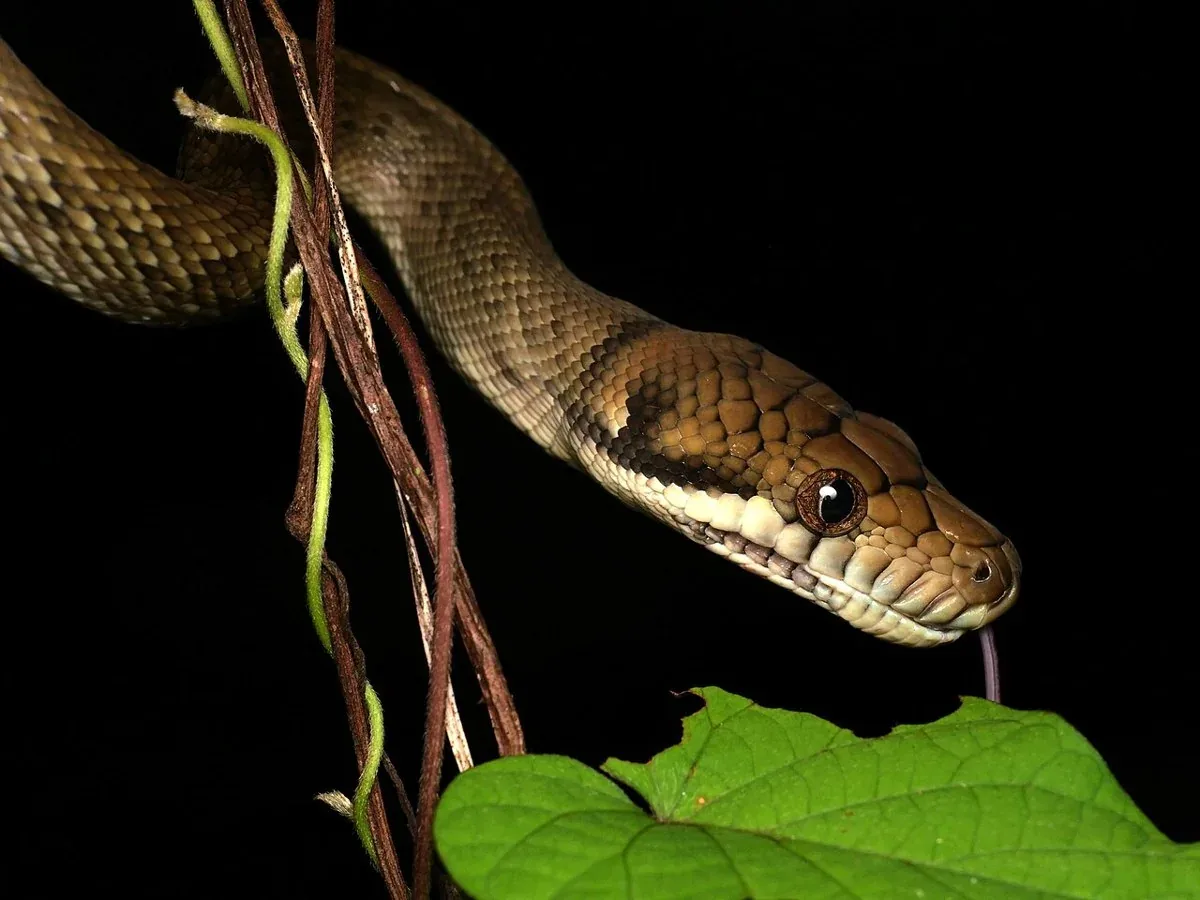
Scrub python covers several Simalia species, not one predictable adult. Ask for the documented scientific name and locality. Australian Simalia kinghorni is the animal described by Sydney Zoo; the DM Exotics keeper account centres mainly on S. amethistina. An importer’s locality label is useful background, but it should not replace a clear record of the animal’s identity and origin.
Build a connected climbing environment
DM Exotics describes active snakes using branches, platforms and both elevated and ground hides. Design a connected route through different resting positions while preserving floor space for movement. Adult strength changes the build: supports, fixings and doors must remain secure under load. Draw how water and furnishings can be reached without entering the snake’s striking range, then have an experienced keeper assess the layout.
A tropical plan needs measurements
Sydney Zoo places S. kinghorni in northeastern Queensland’s humid rainforest. That natural history does not supply a universal thermostat or humidity setting for every scrub python. Obtain species-specific daytime and nighttime targets before arrival, with guarded heating, ventilation and shaded retreats. Record conditions at occupied perches. When misting changes, check whether resting surfaces dry and whether water remains fresh.
Settling and feeding are connected
The DM Exotics account reports that unsettled arrivals may strike repeatedly or refuse food, and some need an established bird-prey history considered before a rodent transition. Ask exactly what the individual already eats. Start with quiet surroundings and concealment; repeated close inspection can undermine settling. Record meals, body condition and changes in behaviour, and seek veterinary assessment when refusal accompanies decline or injury.
Choose the long-term role
These pythons suit an experienced observer who enjoys watching a large animal use a furnished environment. Sydney Zoo reports twenty to thirty years for S. kinghorni, not the whole group. Budget for a substantial enclosure, replaceable climbing structures and safe adult transport. A holiday carer must understand the access procedure; willingness to feed a small snake is not enough preparation for maintaining an adult scrub.
Ask which Simalia the evidence describes
Sydney Zoo's account concerns Australian Simalia kinghorni, whereas the DM Exotics keeping account discusses other scrub-pythons, particularly S. amethistina. Keep that distinction beside each source. Species name, locality and demonstrated adult scale belong in the care record before any enclosure is ordered.
A common-name match does not show that a climate plan or temperament description transfers. Ask the breeder for the individual history and seek species-experienced review of missing information. If locality is a reported import label rather than documented lineage, preserve that distinction. This introduction does not provide a universal starter setup for all scrub python species.
References: Sydney Zoo — Australian scrub python species scope
Design the branch network for maintenance as well as movement
Map a connected series of supported resting positions, including concealment away from the service opening. Show which branches can be removed, where their fixings are reached and how a full water vessel leaves the habitat. Strong adult supports and an accessible cleaning route must be designed together.
Before construction, ask an experienced keeper to review the door arrangement and secure separation for service. Record structural changes with photographs of the empty enclosure. Keep the operating plan with enclosure photographs so future carers can follow the maintenance routine.
Obtain an acclimation history you can continue
DM Exotics describes how unsettled arrivals may refuse food or respond defensively, and notes individual prey differences. Request the accepted prey, presentation, recent meal outcomes and the usual servicing response for the actual animal being offered.
Keep early surroundings and essential routines consistent while establishing your own baseline. Record meaningful changes to enclosure cover, location and equipment rather than repeatedly trying new setups in response to one refusal. Arrange veterinary review when refusal accompanies declining condition or injury. If the individual still requires a feeding transition, understand that specialist task before acquisition. A documented successful routine is a stronger starting point than a species reputation or a short handling video.
References: DM Exotics — firsthand scrub-python acclimation and prey acceptance
Sources & further reading
Read the full recommendations and check details for your animal, equipment, and local conditions.
- DM Exotics — first-hand scrub python husbandry
- Sydney Zoo — Australian Simalia kinghorni natural history
Compiled September 2026. Original summaries; not individually reviewed by a veterinarian.