Independent species review: pending. Source-check date: 2026-09-05.
Report a care correction · Offer a species reviewArticle changes
- 2026-09-05 · Added an original species introduction, verified source links, setup checklist, ownership considerations and explicit evidence limits.
- 2026-09-05 · Aligned the displayed experience level with the finder’s classification.
- 2026-09-08 · Expanded practical preparation, maintenance and observation sections, with scoped sources where applicable. This update checks the new material; independent species review remains pending.
At a glance
- Identity
- Morelia carinata; do not apply a carpet-python plan automatically. ↗
- Observed behavior
- Research describes arboreal and rocky ambush positions. ↗
- Feeding preparation
- Obtain a documented established feeder; hatchlings can reject mammal prey. ↗
Source-specific planning references, not enclosure certification. This introduction has not received independent species review; confirm the individual animal’s care plan before acquisition.
Use this guide as a starting point alongside the detailed sources below. Health concerns, unexplained changes in behavior, or feeding problems belong with a reptile veterinarian.
A species introduction with clear limits
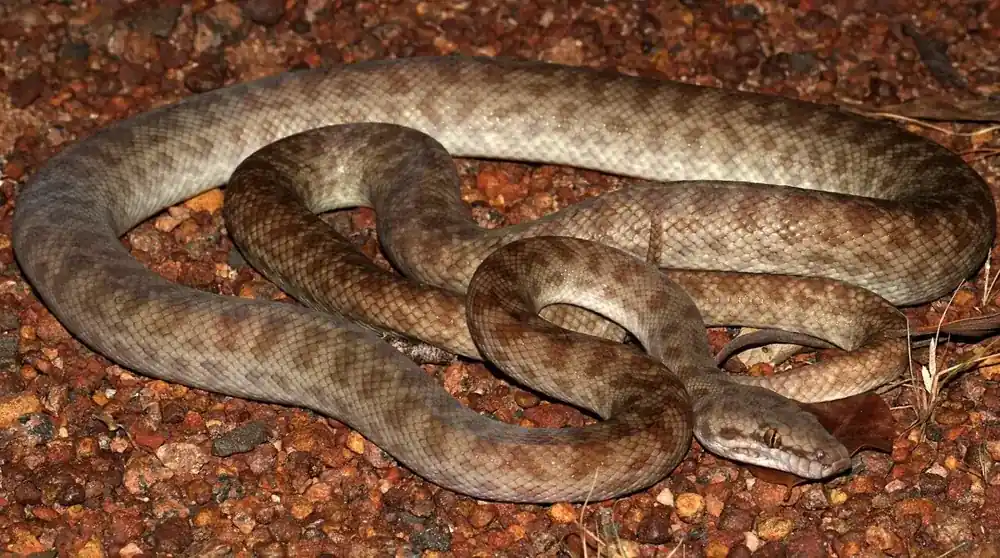
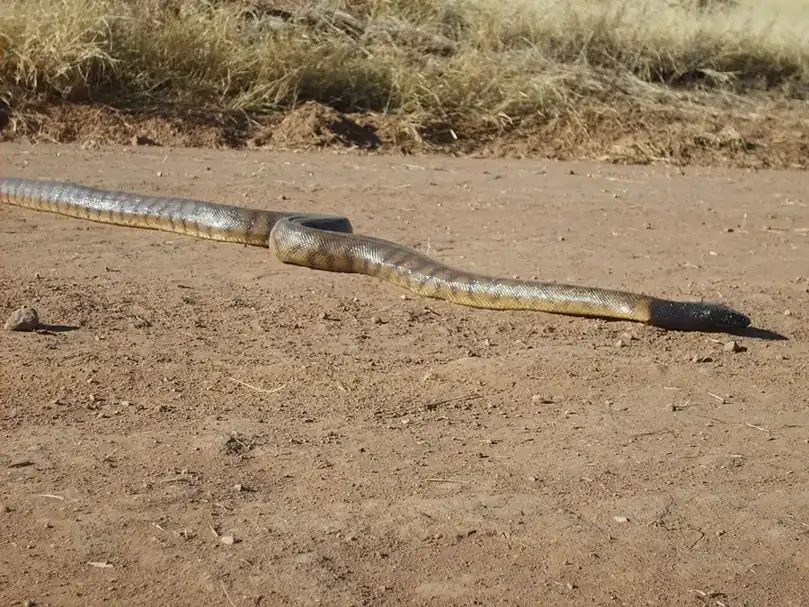
Morelia carinata is the rough-scaled python of northwestern Australia. Research by Porter, Weigel and Shine highlights limited field knowledge and documents captive observations. This entry introduces ownership decisions; it does not present a fully validated husbandry protocol. Obtain a documented captive animal and species-specific support rather than assuming that any carpet-python recipe will transfer.
Build both elevated and concealed choices
The research describes captive animals coiling in trees or rocky ambush positions. Provide secure branching and accessible covered retreats as well as room for full extension. Support climbing structures for the adult’s weight and leave unobstructed routes between them. A tall shell with only one perch offers less usable habitat than its dimensions suggest.
Agree on a measured climate plan
A manufacturer care table offers temperature and humidity ranges, but a table alone does not settle life-stage requirements or measurement locations. This introduction therefore leaves numeric climate and enclosure presets unresolved. Obtain a coherent plan from an experienced keeper, specify thermostatic control, and test temperatures at both elevated resting positions and shaded lower retreats before arrival.
Plan water, lighting and cleaning together
ReptiChip describes access to crevices and varied enclosure levels. Incorporate a water container you can remove safely, shaded daytime lighting and inspectable substrate. Document ventilation and moisture management in the agreed care plan. Avoid sealing every vent simply to raise a gauge reading. Choose surfaces and branch fixings that remain accessible during thorough cleaning.
Established feeding matters especially here
Porter and colleagues report that some hatchlings rejected mammal prey unless it carried bird or frog scent. That observation is a reason to request reliable feeding records, not an instruction to collect wild feeder animals. ReptiChip also qualifies suitability by established feeding. Confirm the exact accepted whole prey, then record intake and body condition rather than relying on a general reputation.
Keep rarity from hiding practical costs
Budget for substantial climbing furniture, accurate environmental monitoring, prey supply and a veterinarian familiar with uncommon snakes. A firm lifespan maximum is not established in this introduction. Preserve provenance, care changes and growth records for future caretakers. Plan for quiet observation and access for essential maintenance without repeatedly disturbing the snake.
Read the research at the scale it actually studied
Porter, Weigel and Shine reported field and captive observations from a small number of rough-scaled pythons. Their paper provides valuable direct evidence of arboreal or rock-associated resting positions and hatchling feeding difficulties, but it is not a validated care protocol for every life stage and home enclosure.
Keep that distinction in the research notes. Ask a species-experienced adviser which recommendations are supported by direct observation, which come from a breeder's particular setup and which remain uncertain. Do not fill the gaps with an unrelated carpet-python table simply because the animals share a genus. A specialist introduction should help organise an individual care plan while preserving the limits of its evidence.
References: Porter, Weigel and Shine — rough-scaled python primary research
Review the ambush positions, not just enclosure height
Draw where the snake can rest completely supported and partly concealed, with routes to other perches, ground cover and water. Include removable supports for maintenance. A tall empty enclosure can offer fewer useful positions than its exterior dimensions suggest.
After commissioning, take occasional photographs from outside and note the time and occupied position. Compare use before and after substantial changes to cover or branches. Keep environmental measurements tied to those positions so the observations can be discussed concretely. Do not infer health from stillness alone or force movement to make the habitat look active. The useful question is whether the snake has accessible choices and can be inspected without repeated disruption.
Preserve the exact feeding method at transfer
Ask the breeder which whole prey the individual takes voluntarily, how it is presented and whether any scenting or assistance is still required. Request dates of recent successes and refusals. A general statement that rough-scaled pythons eat rodents is not enough to establish what this youngster reliably accepts.
Confirm an ongoing suitable prey supply before acquisition and identify a reptile veterinarian experienced with difficult feeders. Save the history with the animal's profile, then record changes rather than trying several methods in rapid succession. Do not collect wild prey or improvise assisted feeding from a research observation. Use the feeding history to plan acquisition and continued care with experienced support.
Sources & further reading
Read the full recommendations and check details for your animal, equipment, and local conditions.
- Porter, Weigel and Shine (2012) — research on rough-scaled python natural history
- ReptiChip — rough-scaled python enclosure and feeding considerations
Compiled September 2026. Original summaries; not individually reviewed by a veterinarian.