Independent species review: pending. Source-check date: 2026-09-05.
Report a care correction · Offer a species reviewArticle changes
- 2026-09-05 · Added a scoped introduction with verified sources, ownership planning and a practical checklist.
- 2026-09-05 · Aligned the displayed experience level with the finder’s classification.
- 2026-09-08 · Expanded practical preparation, maintenance and observation sections, with scoped sources where applicable. This update checks the new material; independent species review remains pending.
At a glance
- Scope
- African P. sebae and P. natalensis; identify which animal you have. ↗
- Adult planning
- P. sebae climbs and swims as well as using the ground. ↗
Planning references apply only to the species and life stage described. They do not certify an enclosure, temperament or veterinary fitness.
Use this guide as a starting point alongside the detailed sources below. Health concerns, unexplained changes in behavior, or feeding problems belong with a reptile veterinarian.
Identify the African species
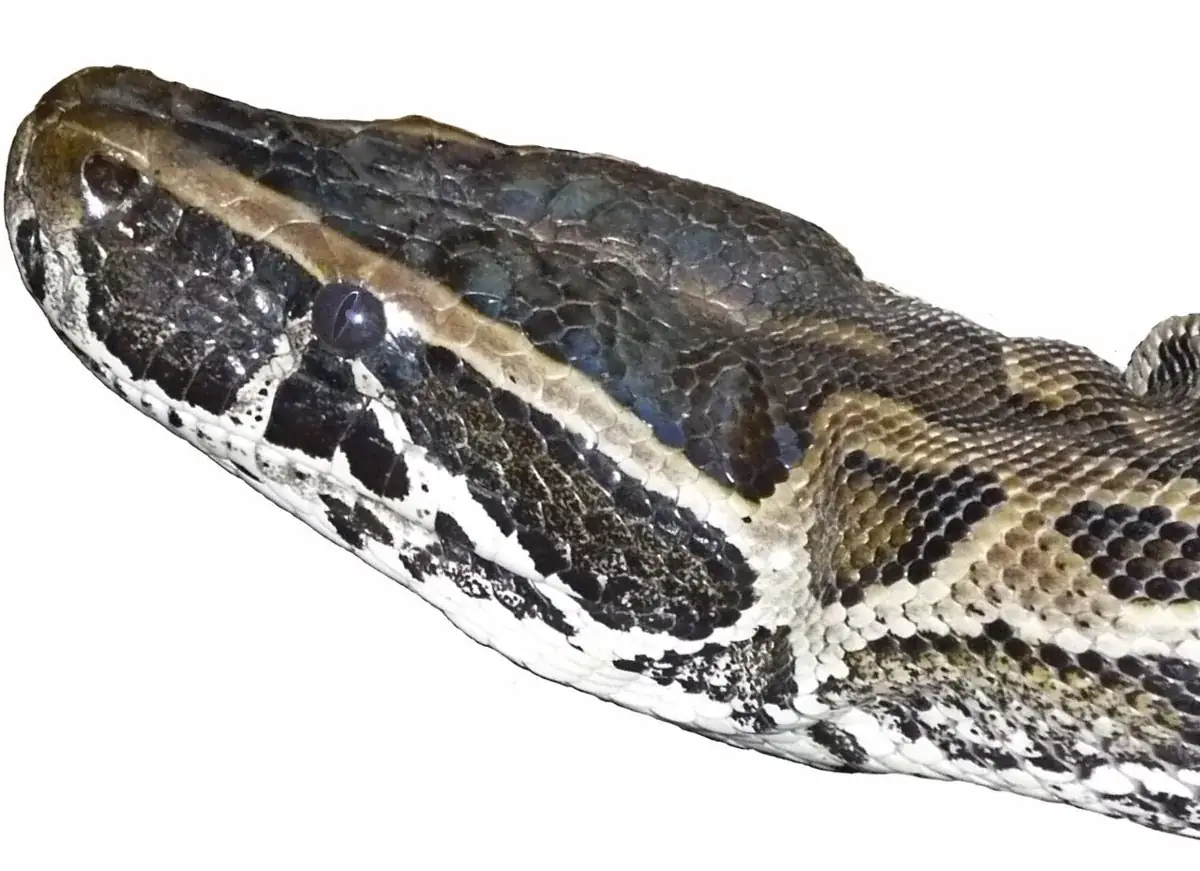
This page covers the northern African rock python, Python sebae, and the southern African python, Python natalensis. The latter was historically listed as a sebae subspecies; retain the scientific name in purchase and veterinary records. These are powerful constrictors for experienced keepers with appropriate facilities. Plan for the full adult commitment when acquiring a juvenile.
Design around the adult and the carer
Lincoln Park Zoo describes P. sebae as a predominantly ground-dwelling snake that also climbs and swims. Adult planning therefore needs substantial usable floor space, secure structural supports and accessible water. Have a specialist assess full extension, turning space, door strength and service access. Prepare protected servicing, secure transfer equipment and an experienced handling team before the snake outgrows juvenile accommodation.
Heat, lighting and moisture
Northampton Reptile Centre’s P. sebae account describes a heated region around 31°C (88°F), guarded heaters and thermostat control. This is a source reference for that species, not a setting for both rock pythons. Record warm and cooler positions, including overnight readings, and obtain a complete plan for the identified animal. Provide shade beneath daytime lighting and inspect the humid retreat for cleanliness.
Plan the food supply early
The same keeper account uses thawed whole prey, progressing from small rodents to larger mammals as the snake grows. Arrange dependable sourcing, freezer capacity and safe meal presentation before that change becomes urgent. Log prey weight alongside the snake’s body condition rather than increasing meals simply because food is accepted. Keep feeding access separate from the procedure used for routine maintenance.
Make the commitment workable
The P. sebae care reference gives an approximate twenty-year lifespan; it does not establish an estimate for P. natalensis. Our specialist budget includes construction, heating, substantial food storage and transport that a veterinary practice can receive. Ask who could provide adult care during illness or a move. Reassess the enclosure after growth, and pause acquisition if those practical arrangements depend on finding someone later.
Identify the African rock python before comparing care sheets
Keep Python sebae and Python natalensis separate in the acquisition record, along with any older subspecies label. Ask who made the identification and what provenance supports it. A general African rock python page cannot establish that every recommendation applies equally to both species.
For each care source, note the species it describes, the life stage and whether the guidance concerns ordinary maintenance or breeding. Preserve unresolved questions rather than blending values from both animals into one table. A specialist should review the individual facility and operating plan before acquisition. Confirm that you can meet the documented snake's adult requirements.
Make behavioural resources compatible with protected service
Lincoln Park Zoo describes African rock pythons as ground-dwelling snakes that also climb and swim. A facility review should therefore consider substantial floor movement, sturdy structural supports and usable water alongside containment and cleaning access.
Draw how a competent care team can change water, remove soiled material and secure the snake away from servicing. Include where tools and temporary containment are located. Have the finished design assessed by someone experienced with adult rock pythons rather than adopting a small-cage example. Keep later structural changes in the journal. Revise the design if routine cleaning requires unplanned close contact with the snake.
References: Lincoln Park Zoo — African rock python habitat use
Arrange the adult transfer before there is an emergency
Confirm that the intended veterinarian or receiving facility can accept an adult of the projected size. Record container dimensions, lifting needs, vehicle access and the experienced people who can assist. Check that the route works through the building, not only through the enclosure door.
Prepare a written plan for a power failure, major repair, keeper illness or relocation. Include the secure alternative location and who authorises changes to the agreed care routine. Review the plan as the snake grows. These notes do not teach giant-snake handling; they expose missing arrangements early enough to resolve them. If secure housing and competent help are not yet arranged, delay acquisition.
Sources & further reading
Read the full recommendations and check details for your animal, equipment, and local conditions.
- Lincoln Park Zoo — Python sebae natural history
- Northampton Reptile Centre — P. sebae keeper care reference
- The Reptile Database — Python natalensis and former classification
Compiled September 2026. Original summaries; not individually reviewed by a veterinarian.