Independent species review: pending. Source-check date: 2026-09-05.
Report a care correction · Offer a species reviewArticle changes
- 2026-09-05 · Added an original species introduction, verified source links, setup checklist, ownership considerations and explicit evidence limits.
- 2026-09-05 · Aligned the displayed experience level with the finder’s classification.
- 2026-09-08 · Expanded practical preparation, maintenance and observation sections, with scoped sources where applicable. This update checks the new material; independent species review remains pending.
At a glance
- Identity
- Antaresia perthensis, also called the anthill python. ↗
- Breeder heat reference
- Local basking about 32°C; gradient 24–30°C. ↗
- Purchase readiness
- Choose an animal already established on suitable whole prey. ↗
Source-specific planning references, not enclosure certification. This introduction has not received independent species review; confirm the individual animal’s care plan before acquisition.
Use this guide as a starting point alongside the detailed sources below. Health concerns, unexplained changes in behavior, or feeding problems belong with a reptile veterinarian.
Check that pygmy means this species
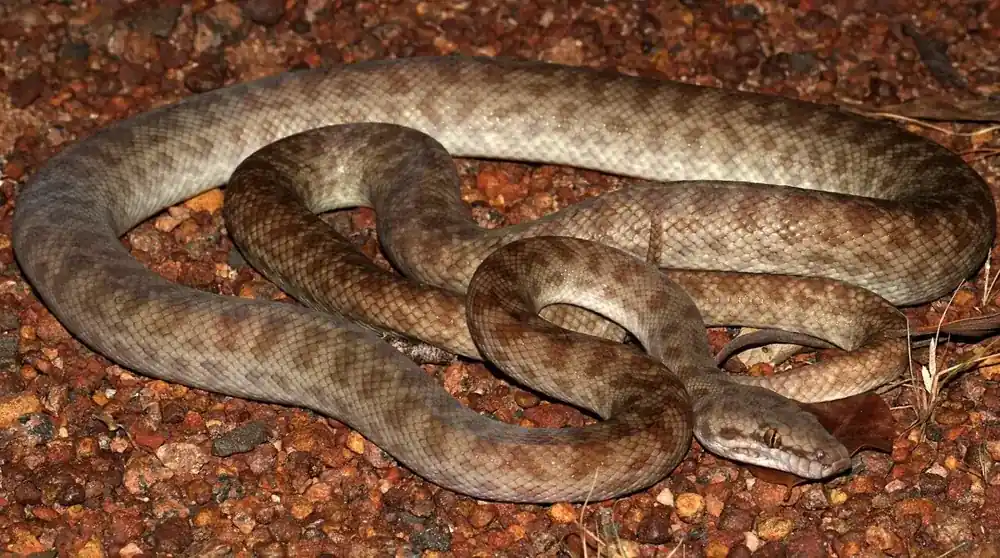
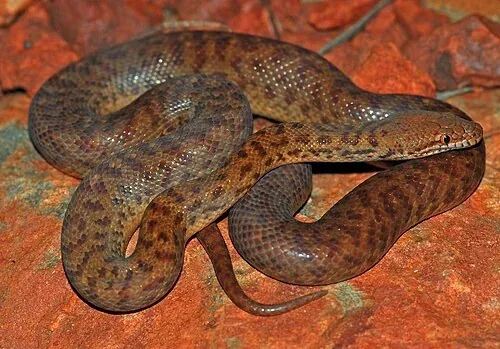
Here pygmy or anthill python means Antaresia perthensis, not every small Antaresia or a locality marketing name. Fuzzy Fox’s breeding account describes a Western Australian python reaching approximately sixty centimetres. Small size can reduce housing demands, but it does not establish that a newly hatched animal is ready for an inexperienced keeper.
Make the smallest escape routes visible
Choose secure housing that permits full extension, movement among retreats and environmental choices. ReptiChip emphasizes sizing to the individual and providing climbing opportunities. Inspect cable entries, door overlaps and lid corners with a tiny snake in mind. Anchor decorative stones, and make cover removable so you can find the animal without dismantling an unstable rock pile.
Measure the warm refuge carefully
Fuzzy Fox reports a local basking reference around 32°C (90°F), with a gradient of 24–30°C (75–86°F). Treat these as the breeder’s reference, not a uniform enclosure setting. Use a thermostat and independently check the occupied warm retreat and cooler area. Small enclosures need particular attention to preserving an actual cooler choice.
Keep moisture decisions tied to measurements
A stable water bowl should always be available. The direct breeder describes generally dry housing, while commercial guidance offers a more humid range; this introduction does not collapse those approaches into one universal percentage. Track substrate condition and sheds, and resolve the plan with a species-experienced keeper. Provide shaded daytime lighting without an invented UV prescription.
Buy an established feeder
The breeder reports that some hatchlings are too small or reluctant to accept ordinary newborn mice. Before acquisition, request dated records of repeated independent meals and the exact prey currently accepted. Assistance with difficult hatchling feeding belongs with an experienced keeper and veterinarian. Do not make your first task an improvised attempt to force-feed an extremely small snake.
Budget for precision rather than size alone
Recurring expenses include appropriately sized prey, accurate monitoring equipment, replacement furnishings and veterinary care. Manufacturer lifespan estimates are not treated as a reliable maximum here. Keep a simple record of meals, weight and sheds so small changes are visible. Arrange a caretaker who can locate and check this diminutive animal without leaving doors open or disturbing every hiding place.
Distinguish a hatched snake from an established feeder
Fuzzy Fox's firsthand account describes difficulty getting some very small pygmy-python hatchlings onto ordinary newborn mice. Ask for a dated sequence of voluntary meals and the exact prey currently accepted. Do not assume that a successful first meal proves a stable routine.
Keep the food record with hatch date, weight where available and any assistance previously needed. Obtain specialist advice before accepting an animal that still depends on assisted feeding. The purchase decision should include whether appropriate prey can be sourced consistently where you live. An inexperienced keeper should not inherit an unresolved feeding project because the species is physically small or the enclosure appears affordable.
References: Fuzzy Fox — firsthand pygmy-python hatchling feeding
Audit every opening after adding the equipment
Complete the security review with the probe wires, ventilation fittings and decorations already installed. Photograph each entry point and check whether a cable pulls a cover out of position. Pay particular attention to overlaps and the corners of removable lids rather than judging security from the enclosure's overall appearance.
Keep the temporary holding container ready before cleaning and close it before turning to another task. Label it with the animal's name if several tiny snakes are kept. Give a carer a short visual checklist showing every closure. Check that the finished enclosure remains secure during routine maintenance.
Do not let equipment consume the entire habitat
On a scaled plan, place the water bowl, warm retreat and cooler refuge before decorative items. Confirm that the animal has a connected route between them and that the measuring equipment does not obstruct cover. A physically small habitat can lose its usable choices when oversized accessories fill the floor.
Record the measurement positions and verify them after changing substrate depth or moving a refuge. For the notebook, use comparable observations and measurements appropriate to such a small animal rather than frequent unnecessary removal. Ask an experienced keeper how to obtain the needed baseline with minimal disturbance. The aim is precision and useful choices, not merely miniaturising a larger python's enclosure.
Sources & further reading
Read the full recommendations and check details for your animal, equipment, and local conditions.
- Fuzzy Fox — first-hand breeding and care of Antaresia perthensis
- ReptiChip — pygmy python housing and established-feeder considerations
Compiled September 2026. Original summaries; not individually reviewed by a veterinarian.