Independent species review: pending. Source-check date: 2026-09-05.
Report a care correction · Offer a species reviewArticle changes
- 2026-09-05 · Added an original species introduction, verified source links, setup checklist, ownership considerations and explicit evidence limits.
- 2026-09-05 · Aligned the displayed experience level with the finder’s classification.
- 2026-09-08 · Expanded practical preparation, maintenance and observation sections, with scoped sources where applicable. This update checks the new material; independent species review remains pending.
At a glance
- Adult scale
- Oakvale reports an average around 3.5 m; Pilbara animals require separate assessment. ↗
- Behavior
- Keeper observations include climbing and active enclosure exploration. ↗
- Guide scope
- Adult housing and seasonal management require an individual specialist plan. ↗
Source-specific planning references, not enclosure certification. This introduction has not received independent species review; confirm the individual animal’s care plan before acquisition.
Use this guide as a starting point alongside the detailed sources below. Health concerns, unexplained changes in behavior, or feeding problems belong with a reptile veterinarian.
Identify the form and the adult commitment
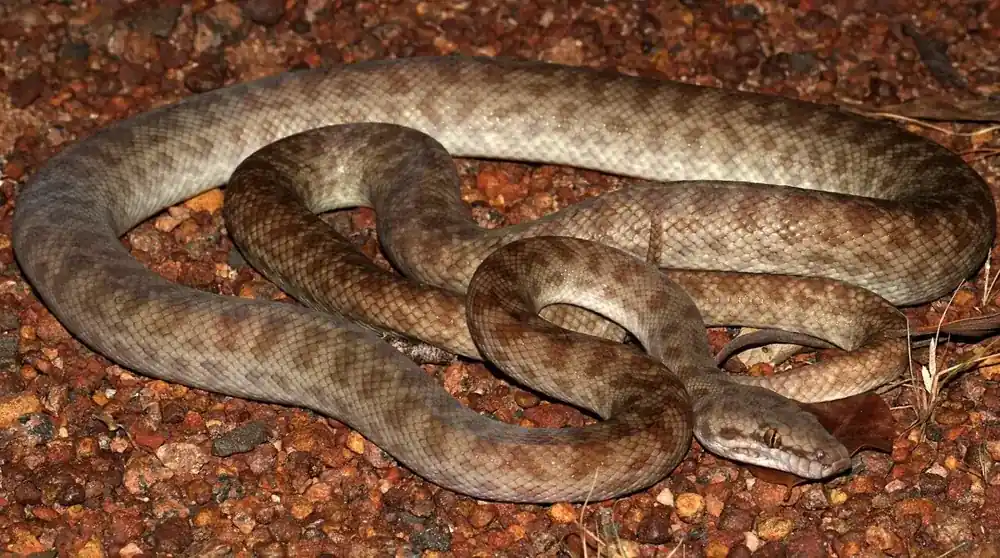
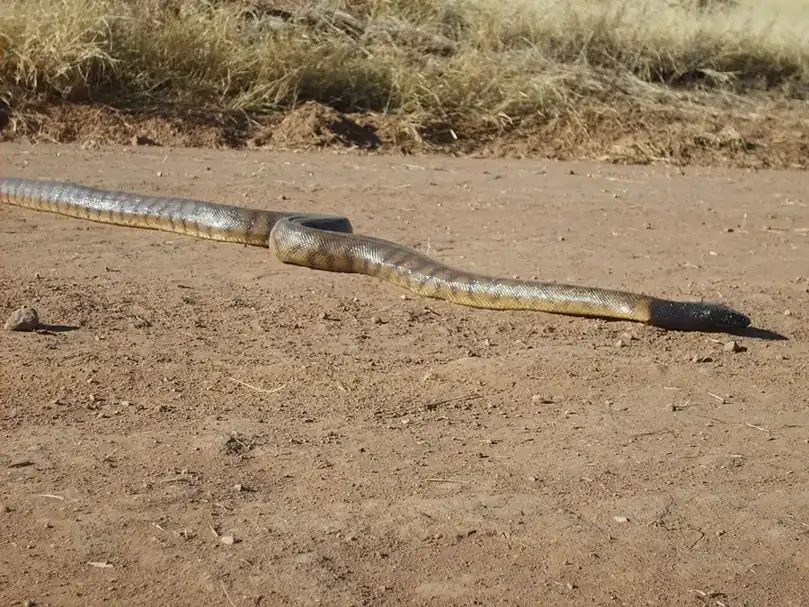
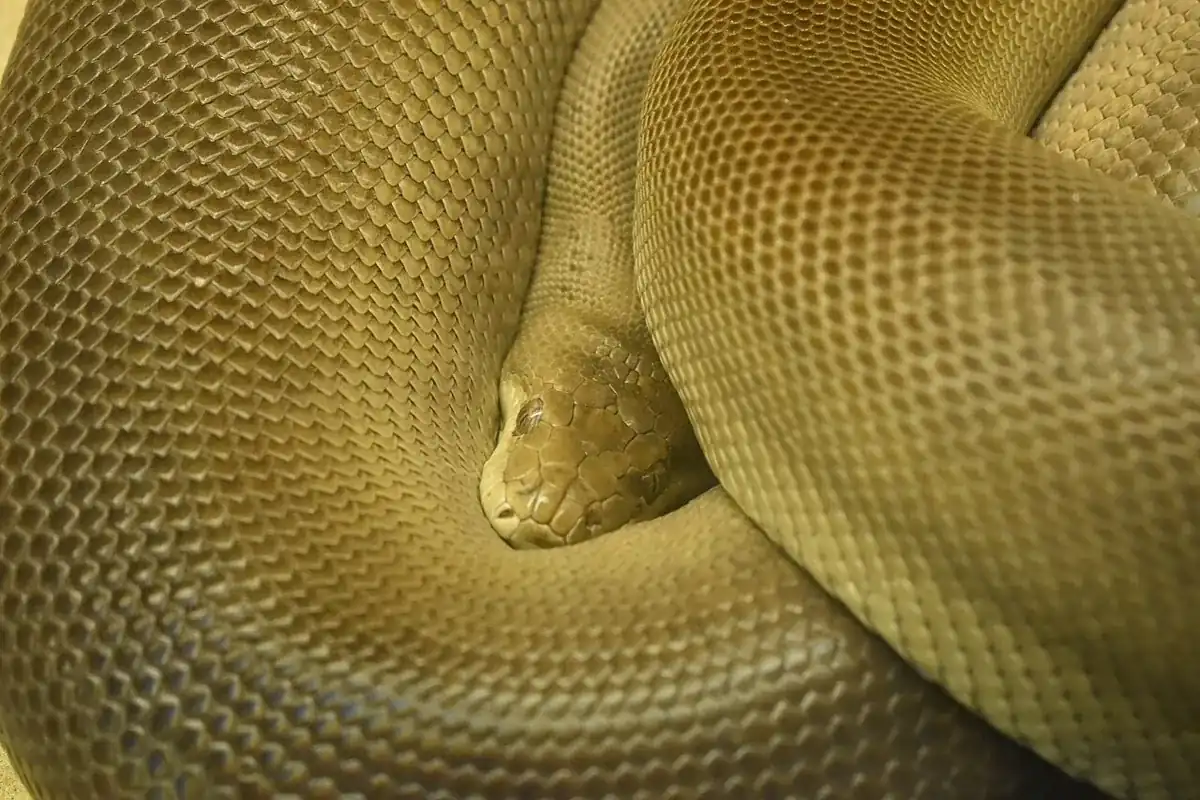
Liasis olivaceus includes the widespread nominate form and a distinct Pilbara subspecies. This introduction primarily concerns the nominate form; obtain a separate assessment for a Pilbara animal. Oakvale Wildlife reports average lengths around 3.5 metres for olive pythons. A juvenile purchase therefore requires an adult housing and handling plan already within reach.
Design for cleaning a powerful snake’s home
Provide substantial usable floor space, supported climbing and full-body cover. Experienced keeper Dennis McNamara describes active exploration and use of large hides. Design lockable service access and a secure holding arrangement that an adult cannot defeat. Do not turn a breeder’s historical cage example into a universal minimum; adult dimensions remain subject to individual review.
Keep a seasonal breeding account in context
Published keeper accounts describe different room temperatures and breeding-season changes. They do not supply one independently validated household protocol. Agree on a coherent non-breeding plan for the individual, then measure its warmer retreat, cooler choices and exposed surfaces with thermostatic control. Do not copy winter cooling or gravid-female heating into ordinary pet care without appropriate experience.
Provide dry retreats and reliable water access
Wild association with waterholes does not mean permanently wet bedding. Keep a clean drinking container accessible and inspect concealed areas for spilled water or waste. Plan ventilation and shaded daytime lighting around the actual enclosure. Humidity and UV targets are left unresolved here rather than assigning a generic tropical-python preset to this large Australian species.
Treat feeding response as a servicing issue
McNamara reports a strong adult feeding response and juveniles with different prey preferences. Obtain an established feeding history, including whether the animal reliably accepts thawed prey. Neil Sonnemann’s husbandry account also cautions about overfeeding. Track food and condition, and arrange competent assistance for adult handling. A normally tractable animal still needs a deliberate routine around food and open doors.
Check whether the project fits your life
Allow for custom housing, substantial food storage, secure transport and veterinary access, including a plan for moving home. Oakvale notes that reptile longevity information is limited; no precise species lifespan is promised here. Rehearse a major clean with the equipment in place before acquisition. Arrange backup care for times when the main keeper is unavailable.
Make an adult-ready plan reviewable
Oakvale's olive-python account describes a very large Australian python. Prepare a drawing around the expected adult rather than a juvenile tank: show full-extension routes, turning space, complete retreat, secure water access and strong climbing supports.
Add the room's doorways, the maintenance opening and the route to a vehicle for veterinary transport. Ask an experienced olive-python keeper to review the design and the practical care arrangements before construction. Keep the review notes with the drawings, including unresolved issues. The evidence of readiness is a facility and routine that can be used by competent carers, not a promise that more space or assistance will become available as the animal grows.
References: Oakvale Wildlife — olive python adult scale
Separate ordinary care from breeding-season accounts
When reading an experienced breeder's article, label passages about cooling, reproduction or gravid animals separately from ordinary non-breeding maintenance. Preserve the described measurement locations and the author's housing context. These details matter when comparing accounts that otherwise appear to recommend contradictory temperatures.
For your animal, obtain one coherent current plan and record who reviewed it. Include both the chosen conditions and actual measurements from the completed enclosure. Do not use this introduction to assemble an improvised seasonal schedule. If your objective is to keep one healthy adult, the first practical question is whether you can provide reliable everyday choices and monitoring, not whether you can recreate a breeding facility's annual cycle.
Plan for the week the main keeper cannot help
Write down who can carry out water changes, security checks and necessary transfers, and confirm their actual availability. Show them the service layout and the adult containment arrangement before an emergency. List the veterinary practice that can receive the expected animal and the transport equipment already available.
During a rehearsal with an empty facility, complete the largest ordinary maintenance job and note any step needing additional assistance. Include utility costs, replacement equipment and secure temporary housing in the budget. Confirm who can complete each task before acquisition, including any work that needs additional help.
Sources & further reading
Read the full recommendations and check details for your animal, equipment, and local conditions.
- Oakvale Wildlife — olive python size, habitat and lifespan uncertainty
- Dennis McNamara — direct olive python keeping account
- Neil Sonnemann, Victorian Herpetological Society — olive python husbandry
Compiled September 2026. Original summaries; not individually reviewed by a veterinarian.