Independent species review: pending. Source-check date: 2026-09-05.
Report a care correction · Offer a species reviewArticle changes
- 2026-09-05 · Added an original species introduction, verified source links, setup checklist, ownership considerations and explicit evidence limits.
- 2026-09-05 · Aligned the displayed experience level with the finder’s classification.
- 2026-09-08 · Expanded practical preparation, maintenance and observation sections, with scoped sources where applicable. This update checks the new material; independent species review remains pending.
At a glance
- Identity
- Liasis mackloti; Australian water pythons need a separate identification. ↗
- Heat reference
- Supplier: basking 31–32°C; ambient 25–28°C. ↗
- Moisture reference
- Supplier: 60–70% humidity, with soaking water available. ↗
Source-specific planning references, not enclosure certification. This introduction has not received independent species review; confirm the individual animal’s care plan before acquisition.
Use this guide as a starting point alongside the detailed sources below. Health concerns, unexplained changes in behavior, or feeding problems belong with a reptile veterinarian.
Keep the identity narrower than the label
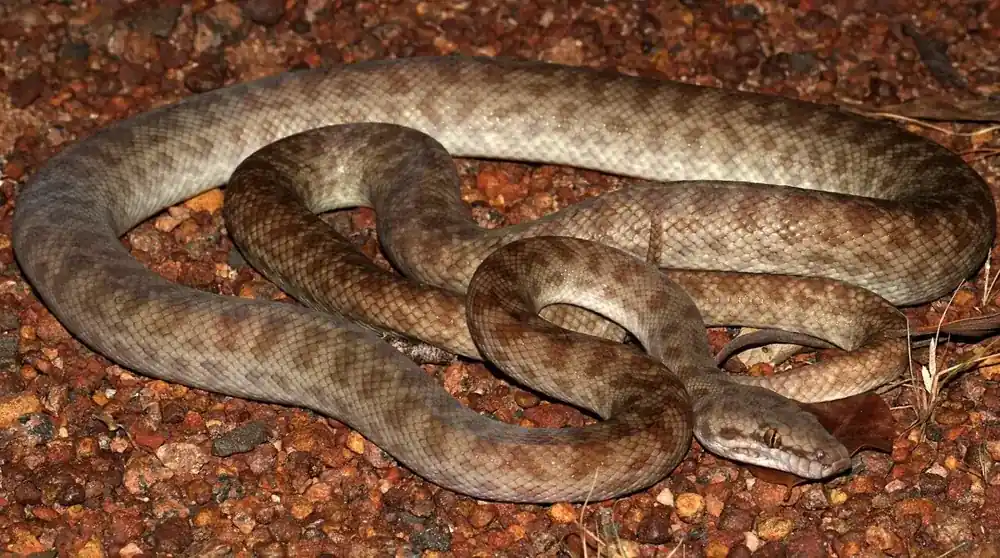
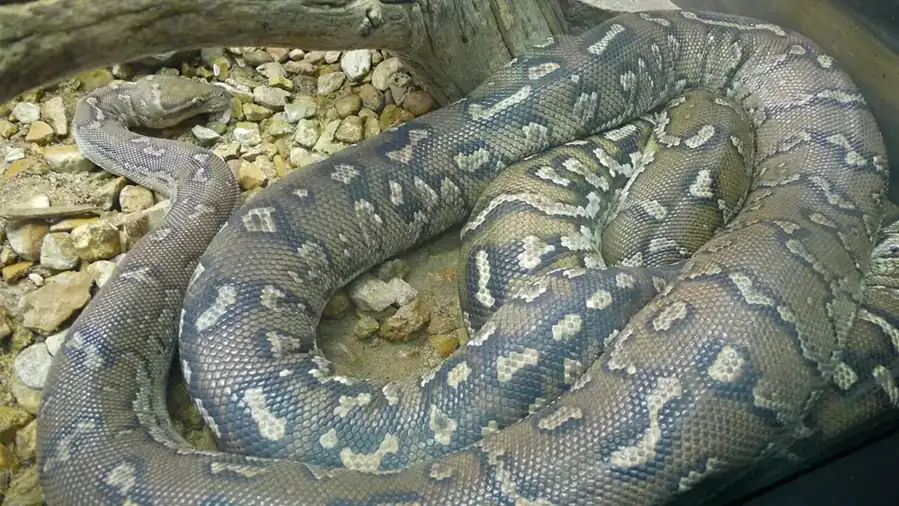
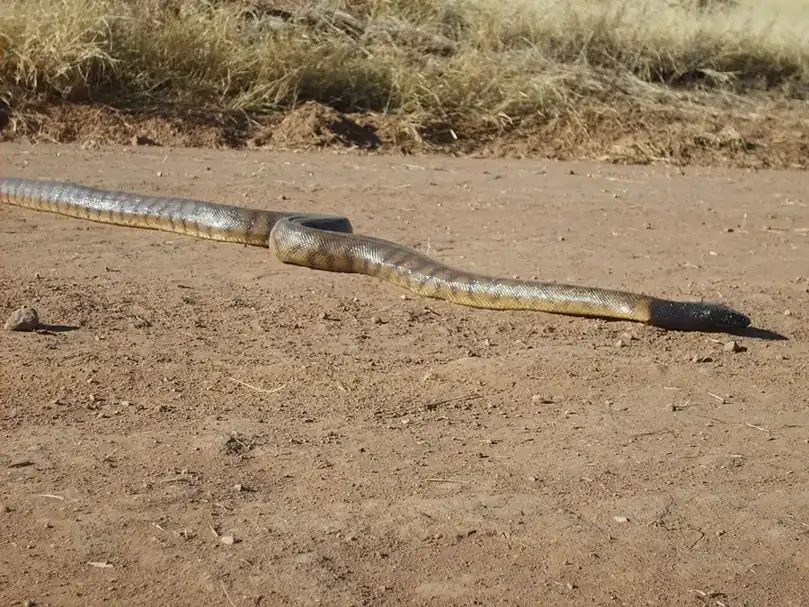
This entry concerns Liasis mackloti, often called the freckled python. It does not automatically cover Australian water pythons or animals sold as Savu pythons. Pretoria Zoo and the keeper supplier Tails and Scales both identify Macklot’s python by this scientific name. Record the animal’s origin and lineage where known, particularly when older labels accompany it.
Measure the adult project early
Published size descriptions vary; do not assume a small juvenile predicts an inexpensive adult enclosure. Provide enough usable length for full extension, secure climbing supports and a large removable water container. Arrange doors so an active snake cannot reach an unsecured opening while you service the far end. This introduction leaves dimensions for individual assessment.
Use a controlled thermal gradient
Tails and Scales gives a basking reference of 31–32°C (88–90°F), with ambient conditions around 25–28°C (78–82°F). Confirm how these readings apply to your fixture and retreat positions before arrival. Guard accessible heat sources and use thermostatic control. A lit daytime period should include shaded retreats; no universal UV measurement is asserted here.
Give water a workable maintenance route
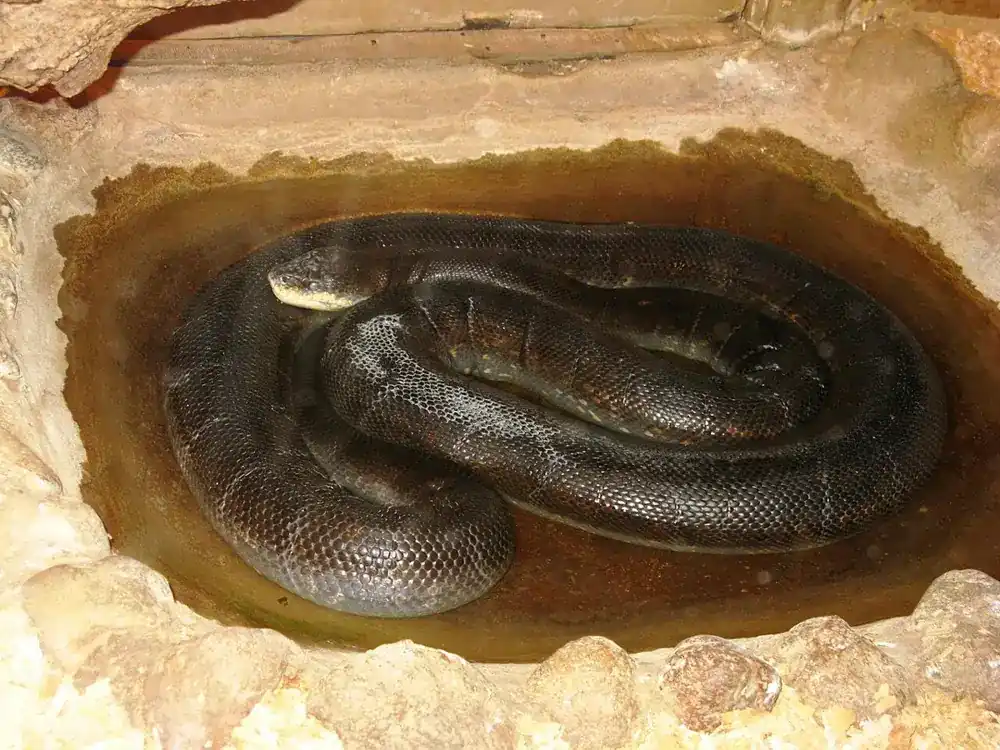
The supplier’s humidity reference is 60–70%, with a container large enough for soaking. Measure at a documented position and keep ventilation functioning. Design the bowl’s removal route while it is full: spilling old water into substrate can turn routine care into a lengthy clean. Inspect areas beneath the bowl and branches instead of judging conditions from the visible surface.
Review feeding and behavior records
Pretoria Zoo describes juveniles as more defensive, while the supplier notes that some animals settle with careful handling. Ask for recent feeding and behavior records. Use appropriately sized whole rodents established for that individual, monitor body condition and allow quiet digestion. A useful log connects meals, sheds and weight changes without treating every refusal as a reason to offer more food.
Budget for serviceability and continuity
Ongoing costs include substantial secure housing, food storage, water changes and veterinary access. Pretoria Zoo reports around seventeen years; that is an indicative account rather than a species maximum. Plan a long responsibility, including transport and replacement caretakers. An enclosure that looks attractive but makes water changes or secure temporary holding impractical needs redesign before the snake arrives.
Keep the freckled python's identity in the handover
Pretoria Zoo identifies Macklot's python as Liasis mackloti and describes semi-arboreal habitat use. Retain that scientific name with any older or regional labels in the animal's record. Water python alone is not an adequate identification for selecting a care plan.
Ask for locality or lineage evidence and parent-size information where available. Record the current adult-space assessment rather than assuming a photograph of another Liasis predicts your animal's needs. When seeking advice, include those identity details and the age or life stage. This helps an experienced adviser distinguish a recommendation meant for your snake from one written for a different member of a broadly named trade group.
References: National Zoological Garden, Pretoria — Macklot's python identity and habitat
Build the bowl route before the decorative background
Measure the soaking vessel while full and confirm that it can be safely removed through the intended service opening. Identify where it is placed during cleaning and how wet substrate is inspected underneath. Keep the route clear of fixed branches and fragile planted features.
Try the complete task with the enclosure empty. Record any reach that leaves you unable to check a door or requires leaning across the main refuge. An alternative bowl position or removable shelf is easier to plan before the background is installed. Save the final service sequence in the journal. For an active snake with a large water vessel, these details are part of the habitat's everyday function.
Describe this snake's response without promising a temperament
Keep brief notes about ordinary water changes, food presentation and necessary handling, including the surrounding circumstances. A juvenile's response during a move may differ from its response in an established enclosure. Avoid promising a future carer that every adult becomes calm.
During the acquisition discussion, ask how the individual is normally secured for cleaning or veterinary transport and which tasks require experienced help. Save the established prey presentation and recent meal outcomes. Use the handover to describe the animal’s responses and the care tasks involved. A design that allows essential care while the snake remains concealed is valuable regardless of its eventual tolerance of handling.
Sources & further reading
Read the full recommendations and check details for your animal, equipment, and local conditions.
- Pretoria National Zoo — Macklot’s python identity and behavior
- Tails and Scales — Macklot’s python keeper care references
Compiled September 2026. Original summaries; not individually reviewed by a veterinarian.