Independent species review: pending. Source-check date: 2026-09-05.
Report a care correction · Offer a species reviewArticle changes
- 2026-09-05 · Added original care summary, preparation checklist, commitment and cost drivers; flagged individual housing assessment.
- 2026-09-08 · Expanded practical preparation, maintenance and observation sections, with scoped sources where applicable. This update checks the new material; independent species review remains pending.
At a glance
- Identity first
- Subspecies and documented origin determine important care differences. ↗
- Adult space
- Large ground-level pen; adult sex and form require individual sizing. ↗
- Humidity caveat
- The source distinguishes different forms; select the plan after identification. ↗
- Diet
- Fibrous leafy plants and edible weeds; adequate calcium. ↗
These are source-specific planning references. Adult size, life stage, climate and measurement location matter. This guide does not certify an enclosure or supply a universal winter-care protocol.
Use this guide as a starting point alongside the detailed sources below. Health concerns, unexplained changes in behavior, or feeding problems belong with a reptile veterinarian.
A trade name is not a care identity
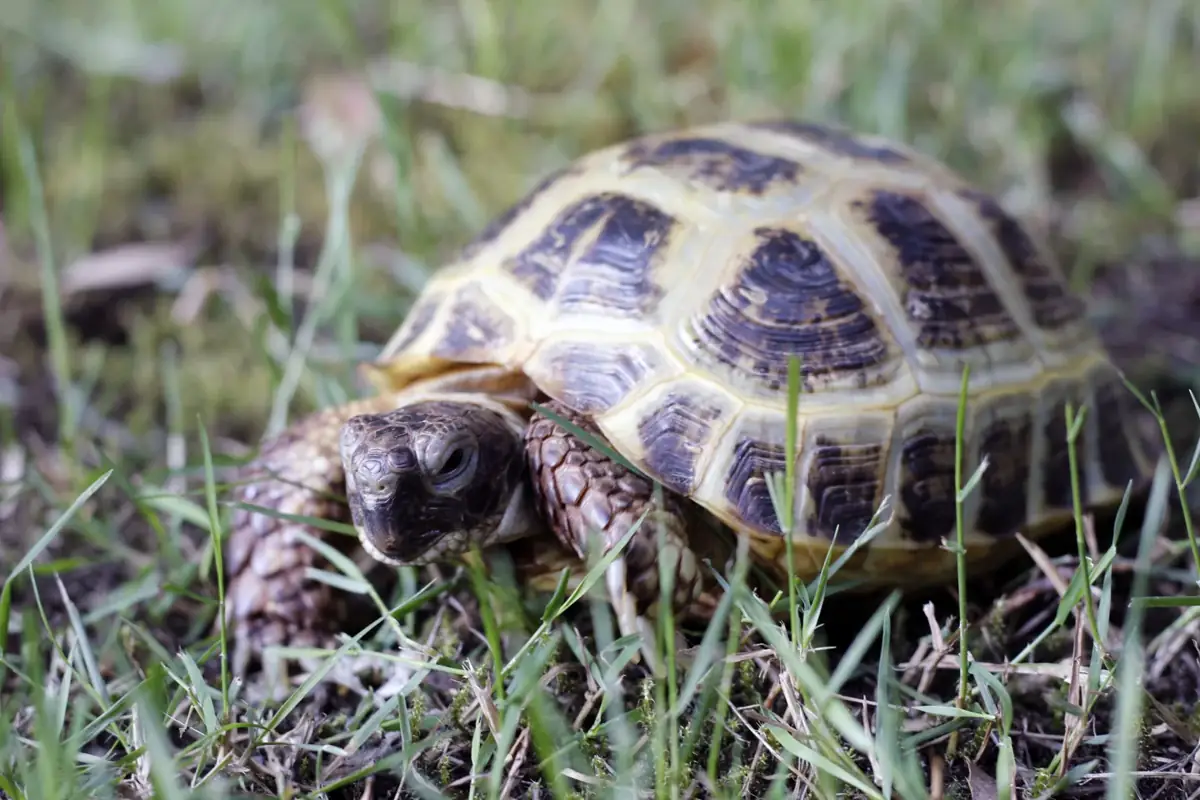
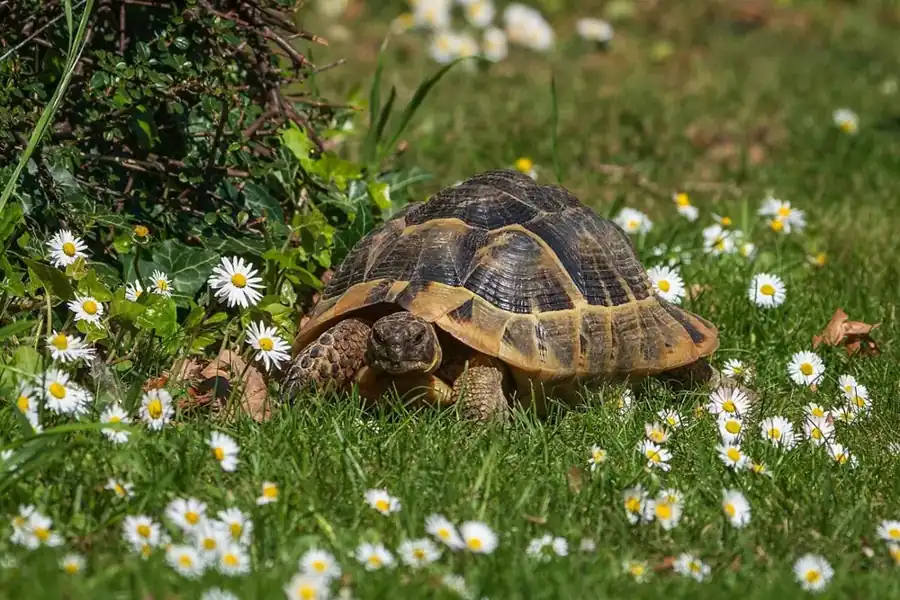
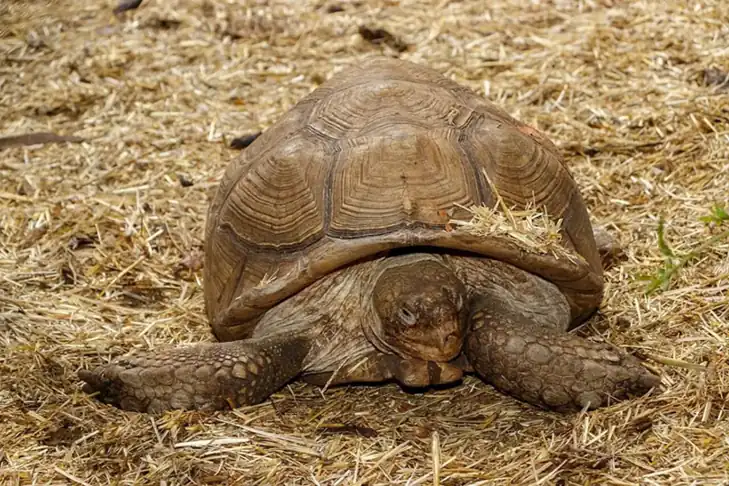
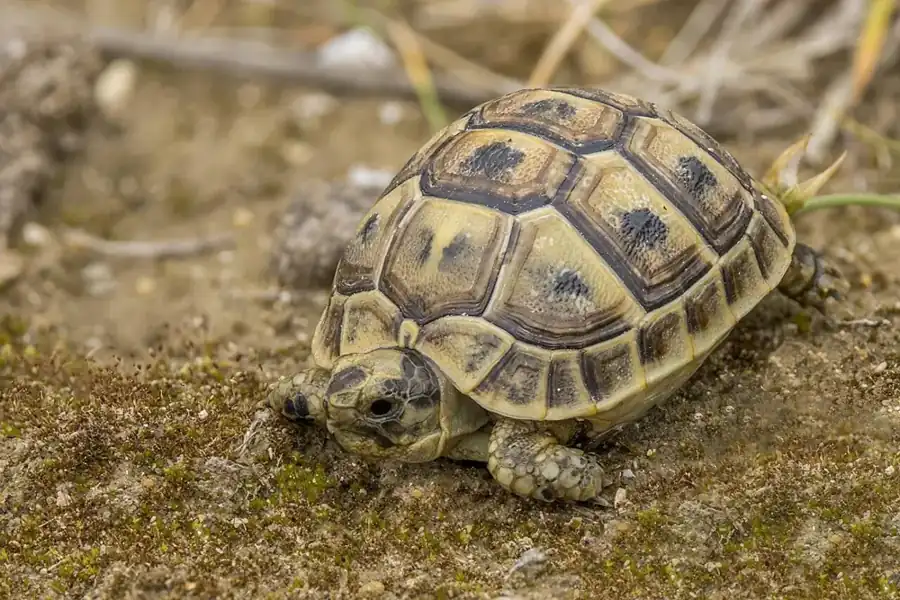
Greek or spur-thighed tortoise covers a geographically diverse complex. Record the documented subspecies and locality, including parentage when available. Testudo graeca ibera and North African forms must not automatically receive identical winter care. “Golden Greek” describes appearance, not a dependable identity. This page introduces the shared preparation work; unresolved provenance needs specialist help before choosing a seasonal protocol.
Build for the eventual adult
Allow a large terrestrial pen with room to walk, browse, dig and retreat from light. Females and some forms grow substantially larger than a small male; assess the expected adult rather than the seller’s current tub. Use opaque, escape-resistant boundaries and drained soil outdoors. Provide a weather shelter and a fully usable indoor alternative if local seasons cannot support the animal’s needs.
Separate the three temperature measurements
Record basking-site temperature, warm-side air and cool-side air separately. A reading beside a lamp is not the same as a reading where the tortoise rests. Install overhead heat and daytime UVB with protected fittings, an appropriate controller and shade. Select the final numeric plan with the identified form’s source guidance; do not average unrelated care sheets or assume a hotter enclosure compensates for uncertain identity.
Humidity and water need context
LafeberVet distinguishes a general 30–50% humidity reference from 40–75% for Testudo graeca graeca. That difference illustrates why identity matters; neither is a rule for every origin or life stage. Offer shallow drinking water and sheltered substrate moisture, recording temperature with humidity. Repair poor drainage rather than trying to dry the entire habitat with extra heat.
Plant diet and a useful routine
Offer varied edible weeds, leaves and flowers with adequate fiber and calcium. Check plant identification and avoid routine meat or fruit feeding. Make seasonal forage availability part of the purchase decision. Use a feeding surface that limits substrate contamination. Record weight, accepted foods and activity consistently, so the next enclosure or diet review uses observations instead of an isolated photograph.
Winter, introductions and the real cost
Do not start hibernation from the common name alone, or combine a newly acquired tortoise with established residents. Keep separate equipment and arrange veterinary assessment during quarantine. Budget for the pen, winter heating, UVB renewal and long-term backup care. Arbor View’s veterinary resource describes a fifty-year-plus commitment. Care may need to pass to future generations.
Build an identity record that survives a change of owner
Hermanni Haven explains that similar appearance and unreliable trade labels can make Greek tortoise identification difficult, particularly when origin is unknown. Save the supplier's identification, parentage claims, photographs and acquisition documents in one place. Keep confirmed information separate from a seller's guess. If an expert changes the identification, retain the earlier name as history rather than deleting the discrepancy. A clear record is especially useful when a veterinarian or future caretaker must decide which seasonal guidance applies. Shell color alone should not settle that choice. This recordkeeping method cannot recover a lost locality, but it makes the remaining uncertainty explicit instead of turning repetition into apparent certainty.
References: Hermanni Haven — Greek tortoise identification and trade names
Prepare two usable homes for seasonal decisions
Draw the outdoor and indoor arrangements together, including the route between them, usable walking space and where food and water will be placed. For each environment, identify the sheltered measurement locations and which weather conditions would trigger a move under the agreed care plan. Test the indoor installation before a sudden cold or wet spell makes it necessary. The same paperwork should identify the animal's form and the adviser who helped choose its seasonal management. This is an original contingency exercise, not a hibernation schedule. It prevents an uncertain-origin tortoise from being cooled simply because a pen was built outdoors or a general Mediterranean guide mentioned winter dormancy.
References: Tortoise Trust — Mediterranean tortoise housing context · Hermanni Haven — Greek tortoise diversity
Use trends before changing the care plan
Keep comparable weights, actual food acceptance and dated shell photographs beside the environmental record. Write down major changes such as a new heat fixture, indoor transfer or different forage supply so an adviser can interpret the sequence. A single lighter weighing after defecation is different information from a continuing decline; neither a round shell nor eager feeding substitutes for an individual assessment. Preserve access to shallow water and check the refuge while investigating concerns. These are practical recordkeeping suggestions rather than a diagnostic formula. If identity, health and season all remain uncertain, resolve those questions with experienced help before making several environmental changes at once.
References: Arbor View Animal Hospital — Greek tortoise care resource
Sources & further reading
Read the full recommendations and check details for your animal, equipment, and local conditions.
- Garden State Tortoise — Greek tortoise identity and provenance
- LafeberVet — Greek or spur-thighed tortoise
- Arbor View Animal Hospital — Greek tortoise resource
- Tortoise Trust — Mediterranean diet, water and biosecurity
- Garden State Tortoise — comparing Greek forms
Compiled September 2026. Original summaries; not individually reviewed by a veterinarian.