Independent species review: pending. Source-check date: 2026-09-05.
Report a care correction · Offer a species reviewArticle changes
- 2026-09-05 · Added scoped introduction, preparation checklist, source references and individual housing assessment; independent species review remains pending.
- 2026-09-08 · Expanded practical preparation, maintenance and observation sections, with scoped sources where applicable. This update checks the new material; independent species review remains pending.
At a glance
- Scope
- Pituophis catenifer; bullsnake care is covered separately. ↗
- Heat reference
- Basking area about 29°C (85°F); cool end about 21–22°C (70–72°F) in The Bio Dude. ↗
- Feeding approach
- Thawed rodents, with adult portions and interval reviewed for body condition. ↗
These are source-specific planning references, not enclosure certification. Identity, adult size, measuring location and the individual animal require review. Blank finder dimensions mean that a manual assessment is necessary.
Use this guide as a starting point alongside the detailed sources below. Health concerns, unexplained changes in behavior, or feeding problems belong with a reptile veterinarian.
Separate the forms before planning
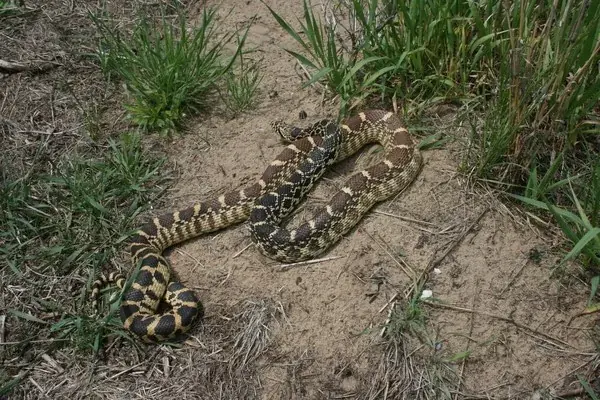
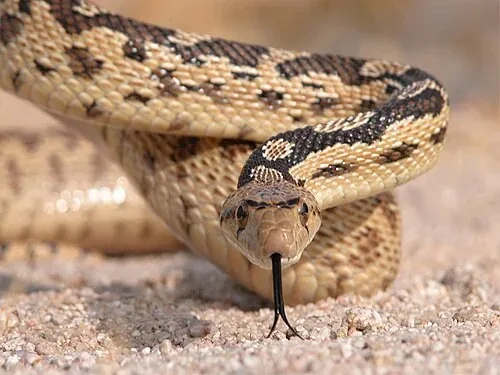
Gopher snakes belong to Pituophis catenifer. This page focuses on forms such as Pacific gopher snakes; the bullsnake, P. c. sayi, has its own entry. Adult size varies substantially. Obtain the form and parent-size information from the breeder, and choose an established feeder. A juvenile’s manageable appearance does not tell you how much permanent housing it will need.
Leave space above and below the surface
The National Park Service describes Pacific gopher snakes using rodent burrows, while The Bio Dude emphasizes burrowing and exploration. Provide substrate and retreats that let the snake disappear without making inspection impossible. Base enclosure length on the expected adult, then preserve turning space after furnishing. Secure heavy objects independently of loose substrate and check doors against a strong snake investigating their edges.
Use a coherent measured heat plan
The Bio Dude lists a basking-area reference near 29°C (85°F) and a cool end near 21–22°C (70–72°F). Other keeper guides use different values; confirm a plan for the identified form rather than averaging numbers. Guard and control heating, then verify both ends independently. Northampton Reptile Centre recommends UVB with full and partial shade so the snake retains a choice.
Offer a humid refuge without soaking everything
The Bio Dude recommends access to a humid hide on the cooler side. This is a microclimate, not a reason to keep the entire substrate wet. Maintain drinking water and inspect concealed areas for waste. Burrowing can make a snake seem absent for long periods, so track feeding, sheds and signs of normal movement without repeatedly digging the animal out for reassurance.
Feed to condition and keep useful records
Northampton’s care account uses thawed rodents and reduces feeding frequency for adults because weight gain can become a problem. Obtain the current meal size and interval, then assess growth and condition rather than assuming every willing feeder needs more. Keep feeding tools separate from routine servicing. Remove waste promptly; a bioactive enclosure still needs active maintenance.
Commit to the adult snake
The Bio Dude reports an average lifespan around fifteen years, with thirty or more possible. Budget for eventual adult housing, frozen prey, environmental equipment and veterinary care. Hissing or defensive displays mean that calm, supported handling may take time; interaction should not be required for the setup to work. A keeper who enjoys a powerful burrower’s independent activity is a good match.
Observe defensive displays without staging them
The National Park Service describes gopher snakes using tail vibration and other defensive behaviour when threatened. That explains why a keeper should value calm servicing and retreat, rather than provoke a display to show an audience.
Record the situation if an individual repeatedly reacts during a particular job: enclosure opening, bowl removal, moving cover or attempted handling. Consider whether the service arrangement can be improved with experienced advice. A journal can document the change and the later response without labelling every animal difficult. Do not make visibility or interaction a requirement for the habitat to work. Allow retreat while maintaining access for necessary checks.
References: National Park Service — gopher snake defensive behaviour
Check how digging changes the finished plan
Take an empty-enclosure photograph showing supports under heavy hides and the water vessel. After the animal uses the habitat, look for shifted bedding, blocked door tracks and newly inaccessible corners. Record repeated problems in the project journal rather than restoring the same awkward arrangement indefinitely.
Recheck the occupied measurement positions after changing substrate depth or relocating a large shelter. Keep an accessible humid refuge and the agreed ordinary dry resting choices. A naturalistic substrate still needs active inspection and waste management. Show a substitute keeper the ordinary water-removal route and which cover can be lifted for necessary checks. Check that the layout remains usable after the snake has moved through and rearranged it.
Keep the adult project specific to the animal
Preserve the documented form and parent measurements where available, including the distinction from bullsnake records. Track growth with comparable measurements and plan a review while the current habitat still provides full extension. An individual housing assessment should include the floor remaining after the largest furnishings are installed.
List the future enclosure's location, cost, installation route and service needs. If a move is anticipated, document secure temporary accommodation and who can help. Keep that plan attached to the individual notebook profile rather than a shared Pituophis checklist.
Sources & further reading
Read the full recommendations and check details for your animal, equipment, and local conditions.
- The Bio Dude — gopher snake care, Joshua Halter
- Northampton Reptile Centre — gopher snake care and feeding
- National Park Service — Pacific gopher snake natural history
- The Reptile Database — Pituophis catenifer taxonomy
Compiled September 2026. Original summaries; not individually reviewed by a veterinarian.