Independent species review: pending. Source-check date: 2026-09-05.
Report a care correction · Offer a species reviewArticle changes
- 2026-09-05 · Added a species-scoped care summary, cited planning references, ownership considerations and setup checks.
- 2026-09-08 · Expanded practical preparation, maintenance and observation sections, with scoped sources where applicable. This update checks the new material; independent species review remains pending.
At a glance
- Housing
- Individual adult plan required; no automatic enclosure dimensions. ↗
- Basking-surface reference
- About 31–33°C; a general Pituophis keeper reference. ↗
- Humidity reference
- 50–60%, with locality and enclosure context. ↗
Dimensions are adult planning references in length × width × height, not a welfare certification. Match housing to the actual snake and retain usable climbing, shelter and temperature choices. Named source targets are starting references, pending independent species review.
Use this guide as a starting point alongside the detailed sources below. Health concerns, unexplained changes in behavior, or feeding problems belong with a reptile veterinarian.
Identify the animal and the fit
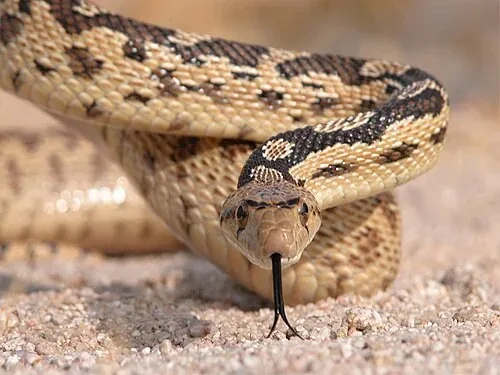
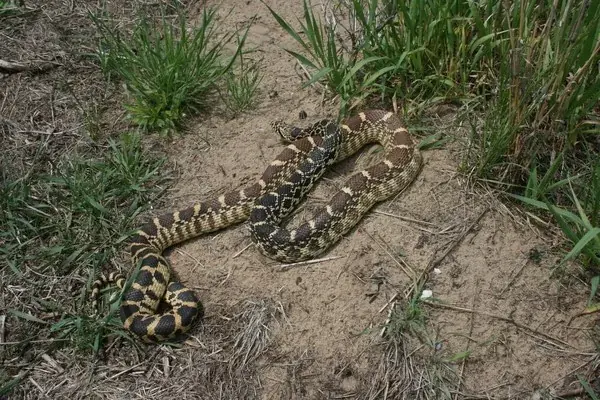
Bullsnake here means Pituophis catenifer sayi, within the wider gopher-snake complex. Locality and lineage help explain adult size; a morph name alone does not. The Ambassador Animal Resource and Information Center describes substantial snakes with pronounced defensive hissing. Choose this animal only if you can accommodate its adult activity and strength and respond calmly to its defensive behavior.
Housing needs an individual plan
We do not assign a single enclosure size in the finder because adult length varies materially. Reserve space for full-body stretching, turning, digging and sturdy climbing routes, then select dimensions with an experienced Pituophis keeper. Small hatchling housing is temporary. Use robust locks and anchored furnishings that cannot shift when a heavy snake pushes beneath them. Mark any upgrade deadline in the animal’s notebook before it becomes crowded.
Heat, light and measurement
Big Apple Herp provides general Pituophis references of 88–92°F (about 31–33°C) on the basking surface and 70–78°F (about 21–26°C) in the cool area. These are keeper guidance, not locality-specific validation. Use a compatible thermostat and independent surface and air measurements. Provide timed daylight and access to appropriately installed UVB with shaded routes; confirm lamp distance at every reachable shelf or branch.
Burrowing and moisture
Monkfield lists 50–60% humidity. Treat this as a reference to check against the animal’s origin and response, and log it with the sensor location. Supply burrowing substrate and a humid retreat while keeping ordinary resting surfaces clean and dry. A strong digger can move much of the enclosure overnight, so water bowls and heavy hides need support that does not depend on loose bedding.
Meals and useful routine
Captive bullsnakes eat whole rodents; use thawed prey suitable for the individual. The keeper-authored Alice the Bullsnake guide emphasizes adjusting adult feeding according to the animal rather than increasing meals whenever food is accepted. Track prey size, meal dates and body weight. Daily checks should verify water, locks, shifted furnishings and both ends of the temperature gradient. Reduced appetite accompanied by declining condition calls for veterinary assessment.
Long ownership and cost
The zoo-contributor resource gives 12–25 years, while Monkfield reports animals exceeding 30. Plan for decades of care without treating a reported lifespan range as an upper limit. Our substantial tier reflects adult housing, strong fittings, larger furnishings, heating and veterinary provision. Before acquisition, make sure another capable person can safely secure and service the enclosure while you are away.
Allow routine care without handling
The zoo-contributor resource describes bullsnakes' conspicuous defensive hissing. An enclosure should allow necessary checks even when the animal is unwilling to be handled. Plan water access, removable cover and secure temporary accommodation before arrival.
Ask an experienced Pituophis keeper to review the normal cleaning sequence and what to do if the snake remains beside the service opening. Record the individual responses observed during ordinary care without labelling every hiss as aggression. For a journal, describe the layout changes that made maintenance calmer or simpler. A visitor should understand how the habitat supports the snake and keeper, rather than seeing defensive behaviour staged for entertainment.
References: Ambassador Animal Resource and Information Center — bullsnake
Inspect the consequences of overnight digging
During the routine enclosure check, look for bedding pushed against doors, tilted water bowls and altered paths under large hides. Keep heavy supports independent of substrate movement, and make their positions visible in a saved empty-enclosure photograph.
If the same corner repeatedly accumulates wet bedding or the same refuge becomes inaccessible, log the pattern and redesign that part of the layout. Recheck measurements after changing substrate depth or moving a large shelter. A powerful digger can alter the practical environment without any equipment setting changing. During the weekly review, check whether each resource still works after the snake has used and changed the enclosure.
Keep the adult-space discussion concrete
Store current length, body photographs and known parent measurements with the enclosure project. Include the accessible floor area after the water bowl, hides and supports are in place. Ask an experienced keeper to review turning and extension space for the actual animal.
Plan the installation route for a larger habitat as carefully as its dimensions: measure doorways, floor space in the room and access for cleaning. Name who can help move and service it. If housing will change during a move, save the temporary arrangement and the permanent plan together. Use these details to plan the sequence of housing changes the juvenile will need as it grows.
Sources & further reading
Read the full recommendations and check details for your animal, equipment, and local conditions.
- Ambassador Animal Resource — bullsnake natural history and lifespan
- Big Apple Herp — Pituophis setup and measurement
- Monkfield — bullsnake scope, humidity and longevity
- Alice the Bullsnake — keeper-authored feeding and routine
Compiled September 2026. Original summaries; not individually reviewed by a veterinarian.