Independent species review: pending. Source-check date: 2026-09-05.
Report a care correction · Offer a species reviewArticle changes
- 2026-09-05 · Added an original species introduction, verified source links, setup checklist, ownership considerations and explicit evidence limits.
- 2026-09-05 · Aligned the displayed experience level with the finder’s classification.
- 2026-09-08 · Expanded practical preparation, maintenance and observation sections, with scoped sources where applicable. This update checks the new material; independent species review remains pending.
At a glance
- Identity
- Simalia boeleni; older literature may use Morelia boeleni. ↗
- Origin
- Highland mountains of central New Guinea. ↗
- Guide scope
- Specialist preparation; numerical climate protocol withheld for source inconsistencies. ↗
Source-specific planning references, not enclosure certification. This introduction has not received independent species review; confirm the individual animal’s care plan before acquisition.
Use this guide as a starting point alongside the detailed sources below. Health concerns, unexplained changes in behavior, or feeding problems belong with a reptile veterinarian.
Assess specialist support before acquisition
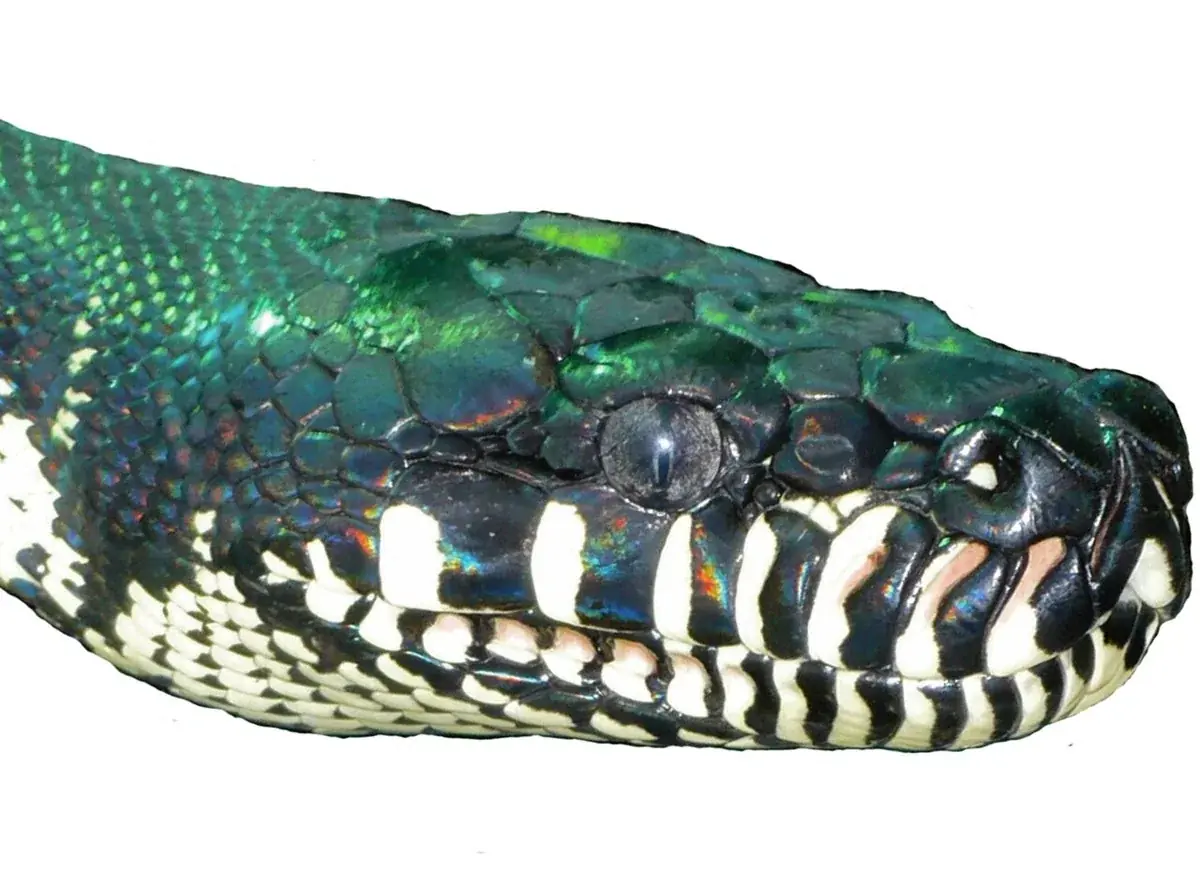
Simalia boeleni, also encountered under the older name Morelia boeleni, comes from New Guinea’s highland mountains. Zoo Atlanta emphasizes how much remains poorly understood. This is a specialist introduction, not a purchase-ready climate recipe. Access to an experienced Boelen’s keeper and a reptile veterinarian should be established before committing to the animal.
Review the animal’s documented history
Ask what captive-bred or captive-hatched means for this individual, where it was raised, what it eats and which measurements have been maintained successfully. Preserve dates and original records rather than relying on a sales description. Ari Flagle’s Project Black Python husbandry account stresses that apparently successful care does not remove this species’ sensitivity.
Provide cover without losing access
Plan adult room for full extension, substantial cover and supported climbing. Flagle describes complete concealment, water access and branches or logs. Make furnishings removable and design cleaning access before constructing a finished display. The guide leaves dimensions unset because adult measurements and a reviewed layout matter more than repeating an older example cage size.
Resolve heating and cooling before arrival
A highland origin does not justify experimenting with cold nights or copying tropical-python settings. The cited specialist page contains inconsistent temperature conversions, so no numeric protocol is reproduced here. Obtain a coherent plan for the animal’s life stage, measurement locations and seasonal management. Test whether the room can maintain that plan during its warmest weather as well as winter.
Manage moisture, airflow and meals together
Flagle emphasizes humidity alongside ventilation and avoiding continuously wet substrate. Provide fresh water and monitor occupied retreats, bedding and airflow rather than only a display gauge. Obtain a proven whole-prey feeding record and continue condition monitoring. Changes in feeding or appearance should prompt a review of records with the care team, not simultaneous experiments with several settings.
Fund continuity for an uncommon species
Reported captive lives can exceed twenty years, but a firm lifespan maximum is not established here. Costs may include room cooling, environmental alarms, specialist transport, quarantine accommodation and veterinary investigations. Write down backup arrangements for equipment failure and caretaker absences. Plan for consistent, documented care over the animal’s lifetime.
Know what the available evidence does not establish
Zoo Atlanta's herpetology account describes Boelen's pythons as a poorly understood highland species with limited field information. That should remain visible beside any detailed care account. A keeper's years of success are useful evidence of experience, but they do not prove a universal climate recipe or guarantee that another animal will respond identically.
For each recommended value, ask which life stage, measurement location and enclosure design it describes. Record the source date and unresolved questions. Do not repair contradictory temperature conversions by guessing the author's intention. Seek clarification from a species-experienced adviser before commissioning the habitat. Keep unresolved values clearly marked rather than filling the table with incompatible numbers.
References: Zoo Atlanta — Boelen's python knowledge limits
Test the room during the weather it must withstand
A specialist plan should explain the required range of available conditions, but the room must be able to provide them. Document typical warm-weather room readings and the equipment needed to preserve the agreed cooler retreat. Ask who can service that equipment and where the animal can be securely housed during an extended failure.
Include daytime and overnight measurements from the completed empty enclosure, recording exact sensor positions. Keep the operating procedure with the build plan and identify which decisions require specialist review. A heating-only budget may miss the most difficult part of maintaining a highland animal in a warm home. Resolve that practical capacity question before accepting the animal.
Preserve origin and early care records
Ask the seller to distinguish captive-bred, captive-hatched and imported history for the particular individual, with dates and supporting records where available. Request voluntary feeding evidence, recent weights, examinations and any previous treatments. Keep unknown information separate from confirmed facts.
Arrange a species-experienced veterinary relationship and a separate arrival setup before transport. During settling, record the actual readings and essential observations consistently; avoid changing several aspects of care at once to imitate different success stories. If a concern arises, share the timeline and source documents with the care team. The records should make clinical and husbandry discussion easier without claiming that attentive documentation alone removes this species' difficulties.
Sources & further reading
Read the full recommendations and check details for your animal, equipment, and local conditions.
- Ari R. Flagle — Project Black Python introductory husbandry
- Zoo Atlanta herpetology keeper — Boelen’s python natural history
Compiled September 2026. Original summaries; not individually reviewed by a veterinarian.