Independent species review: pending. Source-check date: 2026-09-05.
Report a care correction · Offer a species reviewArticle changes
- 2026-09-05 · Added scoped introduction, preparation checklist, source limits and manual housing assessment.
- 2026-09-05 · Replaced the weaker Sumatran husbandry source with attributed firsthand breeder settings and independent keeper corroboration; retained manual housing assessment.
- 2026-09-08 · Expanded practical preparation, maintenance and observation sections, with scoped sources where applicable. This update checks the new material; independent species review remains pending.
At a glance
- Scientific identity
- Python curtus; distinct from P. breitensteini and P. brongersmai. ↗
- Breeder climate reference
- Norris collection: 80–82°F daytime air; 78°F overnight. Read the full context. ↗
- Adult housing
- Individual assessment; floor space, secure cover and a stable soaking vessel. ↗
This introduction identifies its scope and source limitations. A specialist must assess the actual adult animal and finished enclosure; these references do not certify a setup.
Use this guide as a starting point alongside the detailed sources below. Health concerns, unexplained changes in behavior, or feeding problems belong with a reptile veterinarian.
Name the species accurately
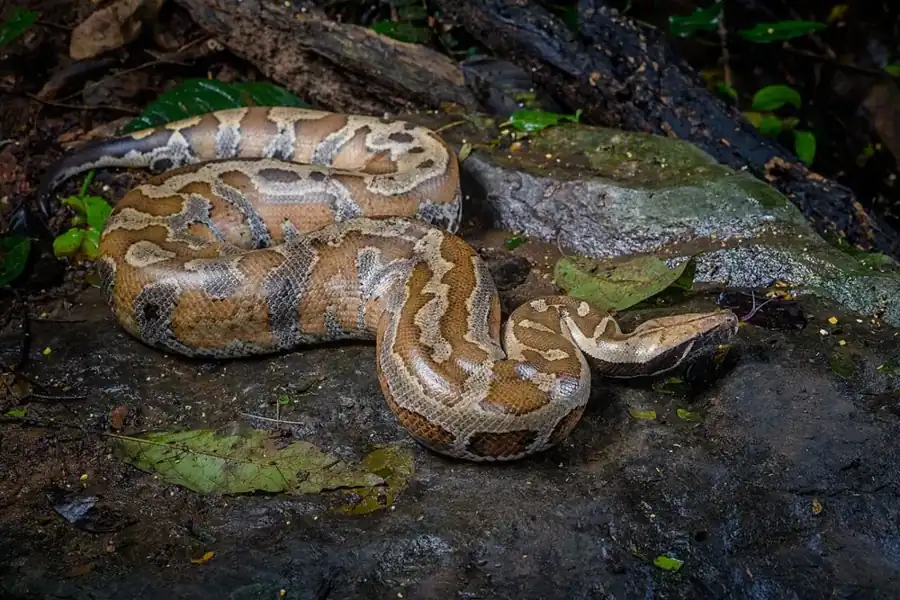
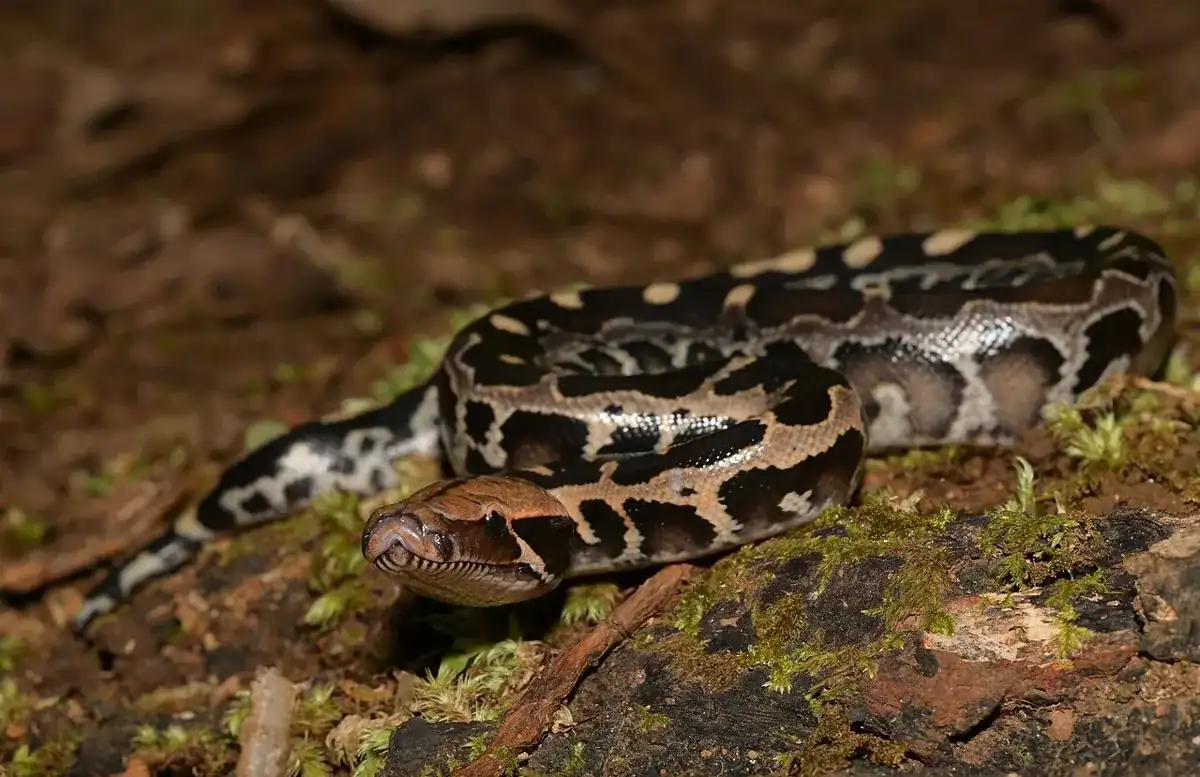
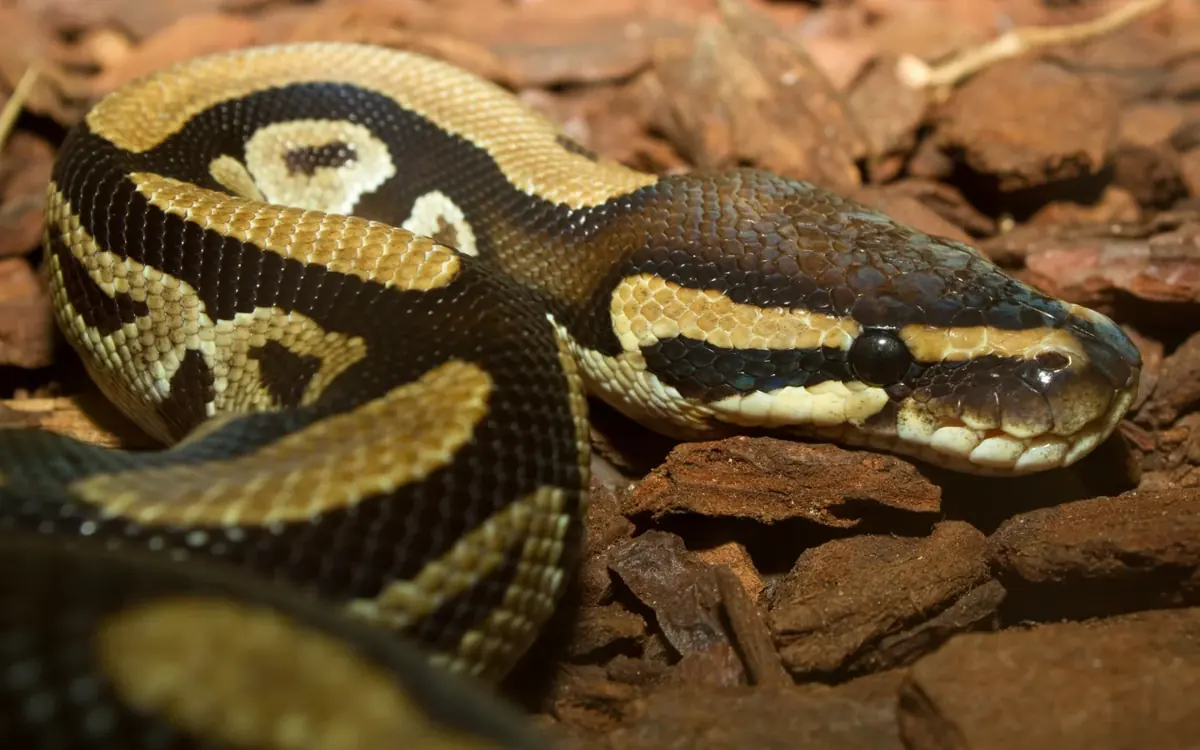
Python curtus is the Sumatran short-tailed python. Black blood python appears in the trade but can blur the distinction from P. brongersmai and P. breitensteini. The Reptile Database recognises separate species. Retain the scientific identity, breeding history and any locality information. Reptile Cymru offers twenty years as a conservative longevity estimate for the short-tails it covers, including this species.
Floor space, cover and clean water
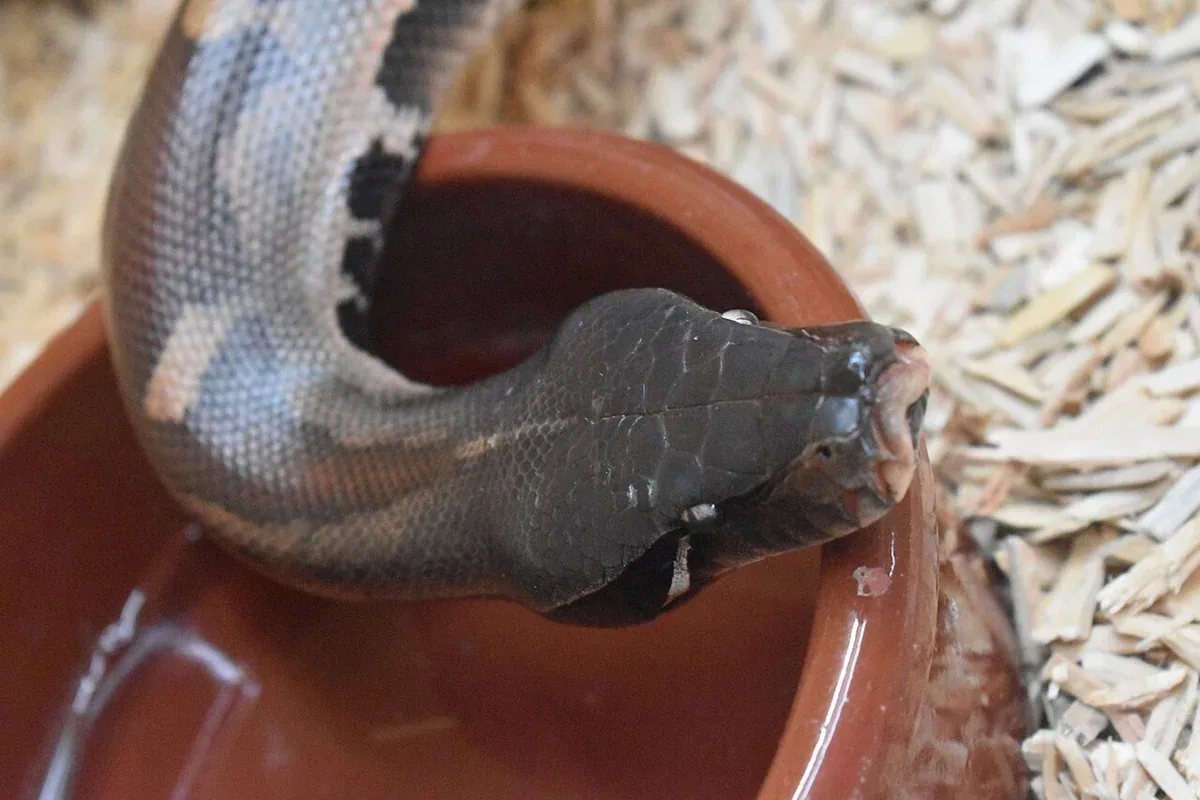
Reptile Cymru describes terrestrial housing with concealed resting places, a sturdy soaking bowl and separate accommodation for each snake. Adult space must accommodate the actual animal, its broad body, shelters and water container together. This introduction requires an individual housing assessment; a trade label alone cannot establish suitable dimensions. Arrange the bowl where it can be lifted and cleaned without leaving doors open or disturbing the main refuge.
Use an explicitly identified climate reference
Kara and Ryan Norris describe their short-tail collection, expressly including P. curtus, at 80–82°F (about 27–28°C) by day and 78°F (26°C) overnight. Their optional local warm areas reach 86–88°F (30–31°C), and humidity is 60–70%. These are experienced breeders’ collection settings, not a species-specific physiological study. Reptile Cymru independently gives similar bounded temperatures and humidity. Keep local warmth distinct from ambient air, control the heat source and verify occupied locations with independent instruments. Avoid persistently wet resting surfaces.
Review feeding for growth and body condition
The Norris account uses prepared whole rodents, increases the interval between meals as animals mature, and warns that strong appetites can conceal excess weight gain. Use thawed prey of an appropriate size and review condition before repeating a schedule. Defecation may be infrequent; maintain feeding, weight and stool records. Straining, unusual swelling or declining condition calls for veterinary assessment, without improvised constipation treatment.
Make daily care workable
Big Apple Herp discusses a regular day/night cycle and optional low-level UVB for Borneo and Sumatran short-tails. Provide shaded retreats and check the fixture’s installation guidance. Support the full body during necessary handling. Prepare separate quarantine and a secure transfer container. Budget for durable housing, a washable water vessel, heating controls, frozen-prey storage and veterinary care. Give a backup keeper clear instructions for locks, water changes, instrument readings and the last meal date.
Record stools without assuming a diagnosis
Kara and Ryan Norris describe their short-tail collection, including Sumatran animals, and emphasise feeding management rather than rapid accumulation of body mass. Their experience helps frame why a strong appetite should be assessed alongside condition and a longer history.
Keep successful meals, prey size, comparable weights and observed waste on one timeline. A note that no stool was seen is useful; it does not establish constipation or justify a home remedy. Record straining, swelling or other concerning changes and obtain veterinary assessment. Preserve the advice and follow-up with the history. Use the record to give the veterinarian a detailed history.
References: Kara and Ryan Norris — firsthand blood and short-tailed python care
Design care around the heavy animal and the water vessel
Draw the space needed for the adult to extend and turn after the bowl and retreats are installed. Mark the secure route for removing the full vessel and inspecting substrate underneath. Keep heavy furnishings stable independently of loose bedding, with photographs of the support arrangement before it is covered.
Rehearse the largest ordinary cleaning task while the enclosure is empty and record what assistance or equipment is needed. Include secure temporary accommodation and a transport plan that the intended veterinarian can receive. A keeper journal should show these service details alongside the finished habitat. The long-term cost of short-tail keeping includes repeated water, substrate and equipment work, even when the snake spends much of its time concealed.
Sources & further reading
Read the full recommendations and check details for your animal, equipment, and local conditions.
- Kara and Ryan Norris, The Blood Cell — firsthand short-tail collection care
- Christy at Reptile Cymru — corroborating care including Python curtus
- Big Apple Herp — Borneo and Sumatran lighting context
- The Reptile Database — Python curtus taxonomy
Compiled September 2026. Original summaries; not individually reviewed by a veterinarian.