Independent species review: pending. Source-check date: 2026-09-05.
Report a care correction · Offer a species reviewArticle changes
- 2026-09-05 · Added a scoped introductory guide with sources, commitment and ownership planning.
- 2026-09-05 · Aligned the displayed experience level with the finder’s classification.
- 2026-09-08 · Expanded practical preparation, maintenance and observation sections, with scoped sources where applicable. This update checks the new material; independent species review remains pending.
At a glance
- Species
- Python brongersmai; other short-tailed species need their own plan. ↗
- Humidity reference
- 60–70%, with drinking water and dry resting surfaces. ↗
Planning references apply only to the species and life stage described. They do not certify an enclosure, temperament or veterinary fitness.
Use this guide as a starting point alongside the detailed sources below. Health concerns, unexplained changes in behavior, or feeding problems belong with a reptile veterinarian.
Keep the species name with the animal
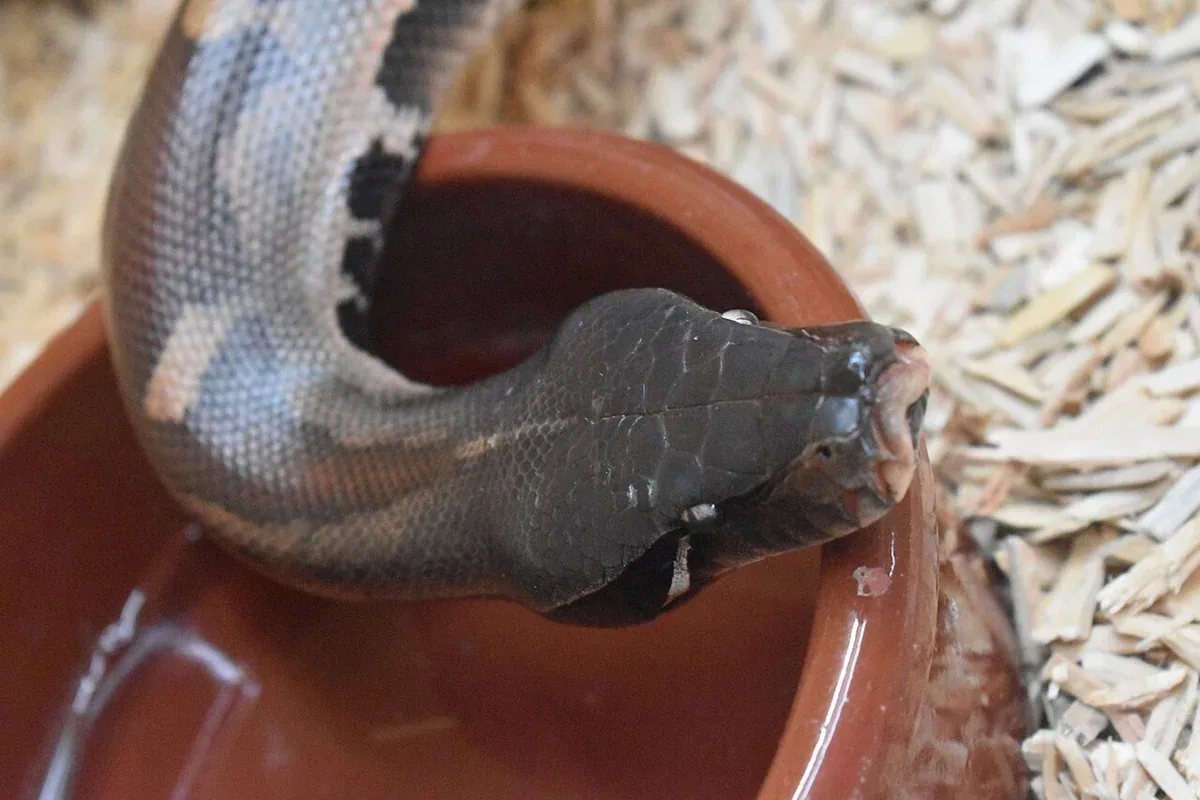
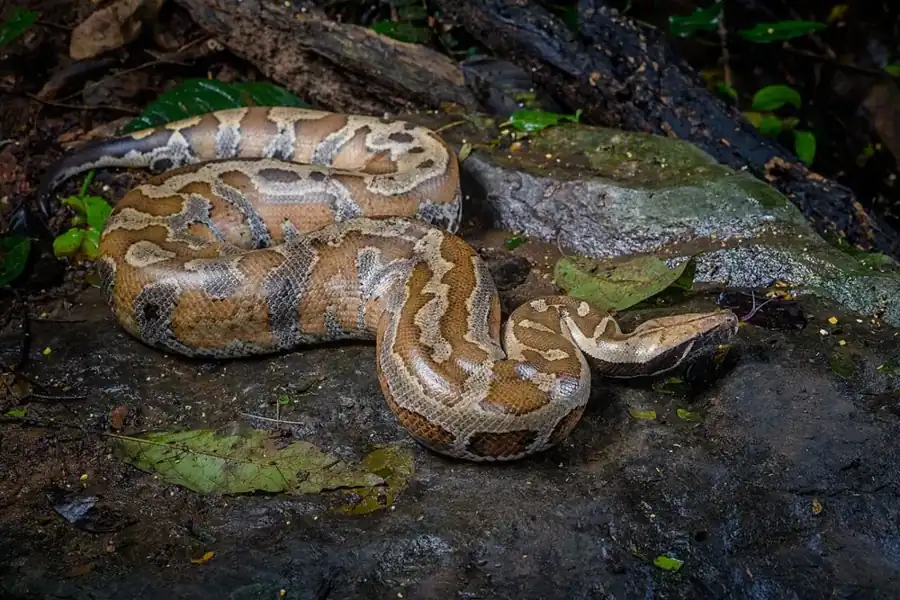
This entry covers Python brongersmai, often called the red blood python. It does not combine Borneo and Sumatran short-tailed pythons into the same care sheet. New England Reptile Distributors describes substantial variation in colour and adult size, and stresses the difference between established captive-bred animals and unsettled wild-caught stock. Choose a documented feeder and get help interpreting this species’ body language.
Floor space and support matter
Plan an enclosure around the adult’s body length and heavy build. Prioritise usable floor area, broad stable furnishings, secure cover and a water basin that can be removed for cleaning. Low climbing surfaces can add choice without forcing precarious movement. The short tail does not mean this is a small-space snake. Before buying equipment, rehearse how you will service the far end while keeping the animal securely contained.
Do not overheat a blood python
Published keeper methods differ. ReptiFiles’ temperament article reports relatively modest ambient temperatures and warns that excessive warmth can provoke distress. Mortal Coil Serpentry uses a local warm area around 30°C (86°F), with cooler space available. These refer to different measurements; do not turn the entire enclosure into the basking zone. Use a thermostat and independent probes, and record both the setting and actual readings.
Moisture without a soaked floor
Mortal Coil’s plan uses approximately 60–70% humidity and an accessible soaking bowl while keeping bedding from remaining wet. Check beneath the snake’s resting cover, where moisture may linger after the visible surface looks dry. Drinking and bathing water should be inspected during each daily round. Install daytime light and shaded retreats; any UVB installation needs a documented safe distance from the snake.
Meals and body condition
Use suitable frozen-thawed whole prey. Support the full body during necessary handling and leave the animal undisturbed after meals. Record feeding dates, weights and waste rather than trying to make a heavy-bodied animal look like a slender snake. Conversely, its natural build is not a reason to ignore gradual excess condition. A persistent appetite change or suspected bowel problem belongs with a reptile vet, not improvised home treatment.
Budget for the adult
New England Reptile Distributors reports that captive animals can exceed 25 years. Our substantial budget includes durable housing, large water changes, prey storage and transport capable of supporting the adult. Save the breeder’s history and your own equipment notes in one place. Inspect door locks after maintenance; a forgotten latch can allow an escape.
Rehearse the heavy jobs before arrival
Make a service checklist for the full water vessel, the largest hide and the adult transfer container. Identify where each item is placed while being cleaned and whether it can pass through the door without catching the lock. A blood python's broad body and substantial equipment make these practical questions especially important.
During an empty-enclosure rehearsal, complete a water change and reach the rear corners without moving unsupported decorations. Put the required tools within reach of the service area. Keep the temporary holding arrangement ready and obtain species-experienced help with necessary transfers. If every ordinary job requires extensive restraint, revise the enclosure access before the animal arrives.
Make the heavy-bodied animal's history readable
The NERD account distinguishes captive-bred animals from unsettled imports and describes major individual differences. Ask for the actual animal's recent meals, body measurements and care history rather than purchasing from appearance alone. Keep any missing history visible in the profile.
Build a simple timeline linking successful meals, refusals, comparable weights and waste observations. Photograph body condition in similar positions rather than judging bulk from a tightly coiled photograph. A note that no stool was seen is an observation, not a diagnosis of constipation. Share the timeline with a reptile veterinarian when concerning changes occur; do not use it to justify home bowel treatments.
References: NERD — blood python FAQs and individual variation
Compare the thermostat setting with measured conditions
Name each measurement in the enclosure record: warm surface, air near the shelter, cooler retreat and room air. Include the time and whether lighting was on. This prevents an 86°F surface value from being mistaken for an instruction to warm all the air to 86°F.
Review the record after adding deeper bedding, moving a hide or changing the water container. Those changes can move the animal relative to the heat even when the control setting remains identical. For a backup keeper, mark which equipment is routinely checked and who should be contacted before adjustments. Keep the original care reference beside the readings so conflicting advice can be discussed accurately.
Sources & further reading
Read the full recommendations and check details for your animal, equipment, and local conditions.
- New England Reptile Distributors — blood python identity and commitment
- Mortal Coil Serpentry — species-specific husbandry
- ReptiFiles — temperature and temperament context
Compiled September 2026. Original summaries; not individually reviewed by a veterinarian.