Independent species review: pending. Source-check date: 2026-09-05.
Report a care correction · Offer a species reviewArticle changes
- 2026-09-05 · Added scoped introduction, preparation checklist, source limits and manual housing assessment.
- 2026-09-08 · Expanded practical preparation, maintenance and observation sections, with scoped sources where applicable. This update checks the new material; independent species review remains pending.
At a glance
- Scientific identity
- Python breitensteini; historically treated as a P. curtus subspecies. ↗
- Diet
- Appropriately sized thawed rodents; adjust for growth and condition. ↗
- Space
- Individual adult assessment required. ↗
This introduction identifies its scope and source limitations. A specialist must assess the actual adult animal and finished enclosure; these references do not certify a setup.
Use this guide as a starting point alongside the detailed sources below. Health concerns, unexplained changes in behavior, or feeding problems belong with a reptile veterinarian.
Identity and long-term responsibility
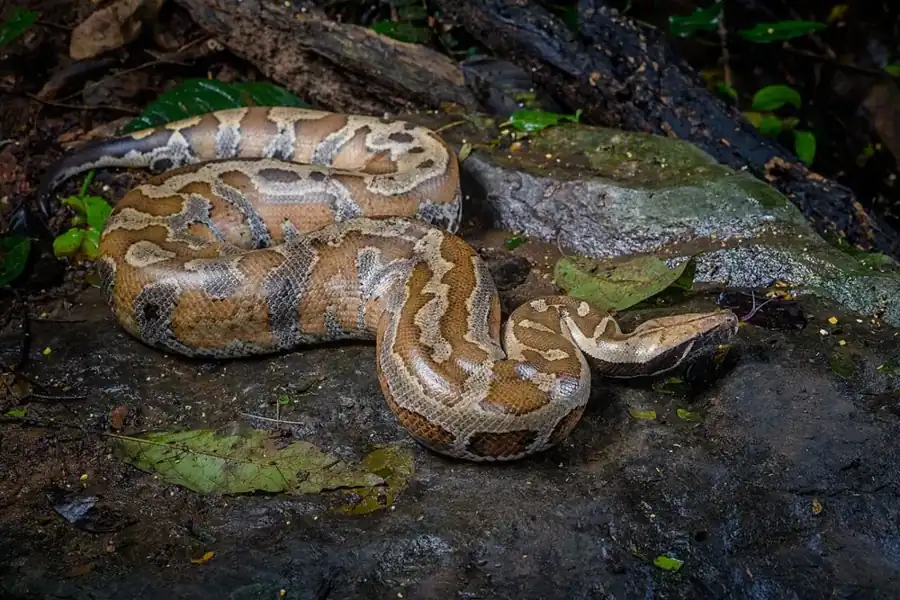
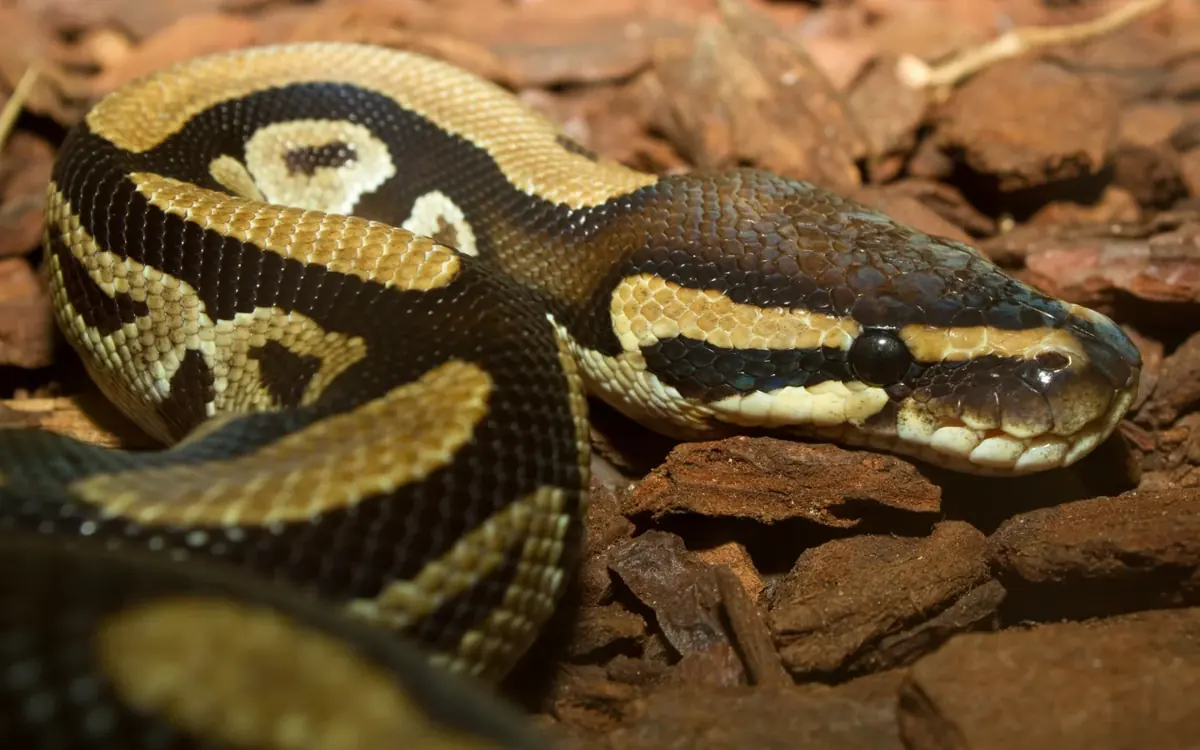
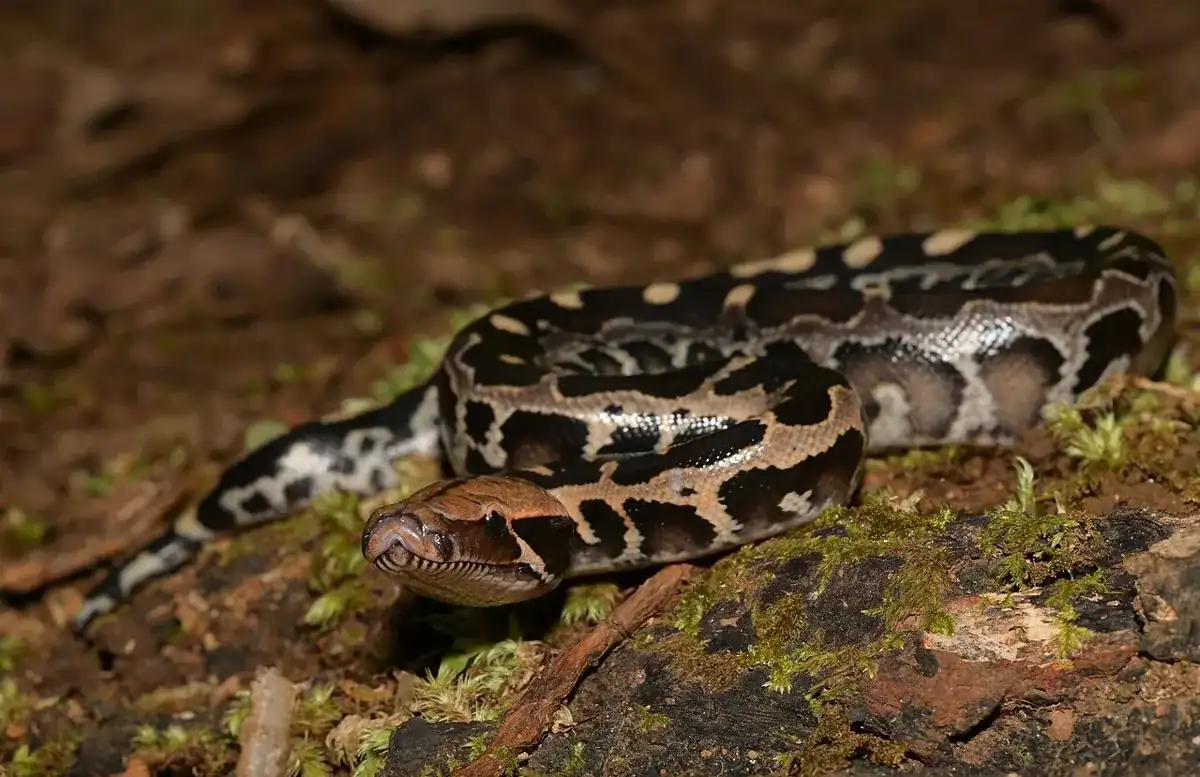
Python breitensteini is the Borneo short-tailed python. The Reptile Database lists it separately from P. curtus and P. brongersmai; older breeder material may call it Python curtus breitensteini. Preserve the accepted name alongside any historical label in the animal’s records. Breeder Todd Peddle describes a twenty-to-twenty-five-year commitment, sometimes longer. Make provision for an adult’s strength and weight, not just the hatchling that arrives.
Assess the actual adult space
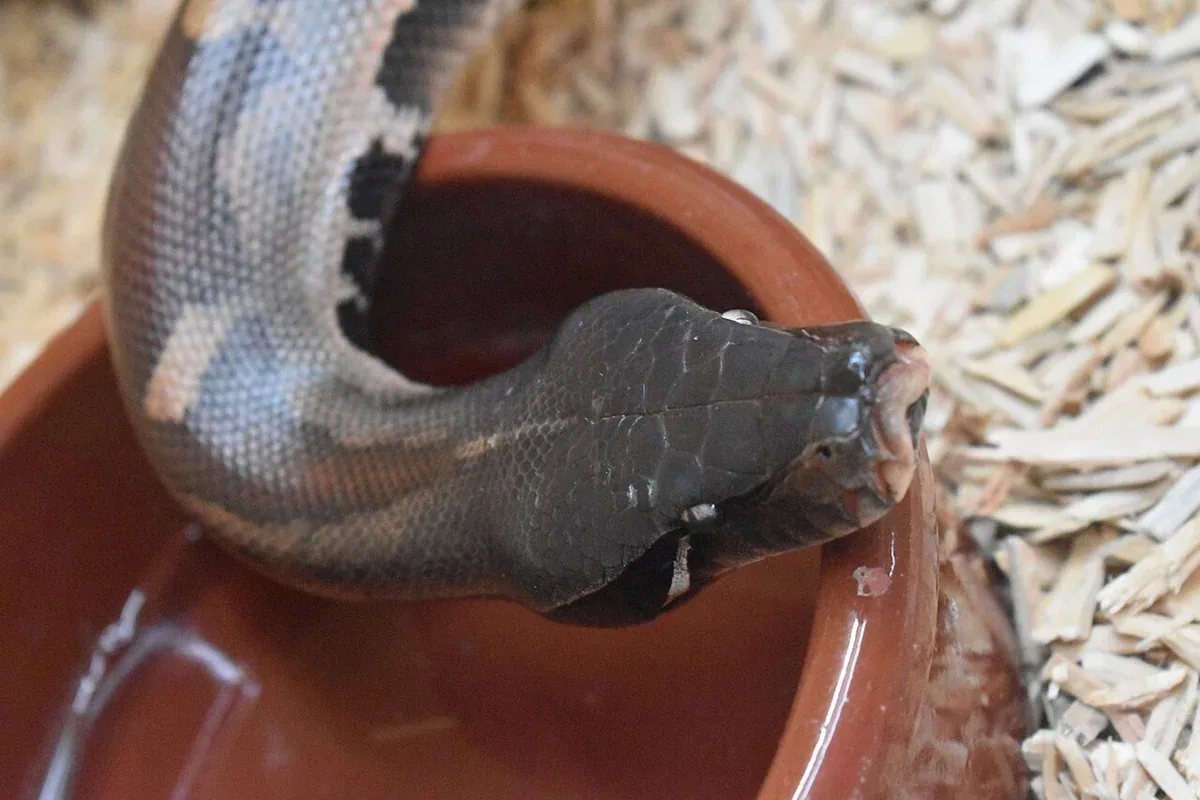
Peddle’s firsthand account uses adult enclosures with substantial floor area and gives larger females more room than males. Those historical references lack a complete modern enclosure specification, so this page does not turn them into an automatic finder match. Plan housing long enough for the individual to extend, with usable width, large secure shelters and a stable water vessel. Confirm service access, structural support and locks before ordering the enclosure. One animal per habitat simplifies monitoring.
Choose and verify a climate plan
Big Apple Herp’s Borneo-and-Sumatran guide distinguishes a warm area around 28–30°C, a warm surface around 30–31°C and a cool area around 24–27°C, with 60–75% humidity. These are location-specific planning references, not interchangeable readings. Its approach differs from Peddle’s warmer basking recommendation. Use one complete plan, control heating with compatible equipment and read independent probes plus surface measurements. Provide daytime lighting and shaded retreats; low-level UVB needs a checked installation. Air humidity does not require saturated bedding.
Review portions alongside body condition
Peddle feeds growing Borneos more frequently than adults and uses thawed rats, warning against overfeeding a strongly food-responsive snake. Obtain the animal’s existing prey size and dates, then record meals eaten and comparable weights. A heavy build is normal; progressively increasing bulk is not a reason to escalate meals. Allow quiet digestion and support the body fully during necessary handling. Prepare a secure transport container before it is needed.
Daily checks and care planning
Check drinking water, waste, security and occupied-zone readings daily. Store changes to heaters, probe positions and substrate beside the resulting measurements. Quarantine a new arrival separately and arrange a health assessment. Budget for sturdy adult housing, prey storage, heat controls and veterinary access. The enclosure needs an individual review before acquisition; a generic blood-python build cannot verify this animal’s requirements.
Rehearse servicing with adult-sized equipment
Place the largest expected water vessel and hide in the planned habitat, then test their removal routes while the enclosure is empty. Check where they are set down, how hidden substrate is inspected and how the doors are secured before another task begins.
Include a suitable transfer container and experienced assistance in the care plan. Photograph the arrangement of supports beneath the substrate and record which fixtures can be removed. A broad-bodied adult and a heavy full bowl can turn a simple-looking enclosure into an awkward daily task. Resolve the working space before arrival so routine cleaning does not depend on repeatedly restraining the snake or balancing equipment in an open doorway.
Use the same labels each time you take readings
Name the warm surface, air near the occupied hide, cooler retreat and room temperature separately. Record the time, lighting state and sensor position. This prevents a thermostat target, an air reading and a surface measurement from being compared as though they were identical.
Keep a short change log when replacing bedding, moving cover or adjusting equipment. Review the readings alongside actual observations and meal history, without treating a single refusal as proof that more heat is needed. Provide backup carers the current agreed range and the person to contact before adjustments. Consistent labels help carers and advisers compare readings from the same locations.
Sources & further reading
Read the full recommendations and check details for your animal, equipment, and local conditions.
- Todd Peddle — firsthand Borneo keeping account
- Big Apple Herp — Borneo and Sumatran care
- The Reptile Database — Python breitensteini taxonomy
Compiled September 2026. Original summaries; not individually reviewed by a veterinarian.