Independent species review: pending. Source-check date: 2026-09-05.
Report a care correction · Offer a species reviewArticle changes
- 2026-09-05 · Added a species-scoped care summary, cited planning references, ownership considerations and setup checks.
- 2026-09-08 · Expanded practical preparation, maintenance and observation sections, with scoped sources where applicable. This update checks the new material; independent species review remains pending.
At a glance
- Adult housing example
- 150 × 50 × 50 cm for a 150 cm snake; more usable space is encouraged. ↗
- Basking-area reference
- About 29–32°C locally; retain cooler air and shelter. ↗
- Humidity reference
- 30–50% average, plus an accessible humid hide. ↗
Dimensions are adult planning references in length × width × height, not a welfare certification. Match housing to the actual snake and retain usable climbing, shelter and temperature choices. Named source targets are starting references, pending independent species review.
Use this guide as a starting point alongside the detailed sources below. Health concerns, unexplained changes in behavior, or feeding problems belong with a reptile veterinarian.
Identify the animal and the fit
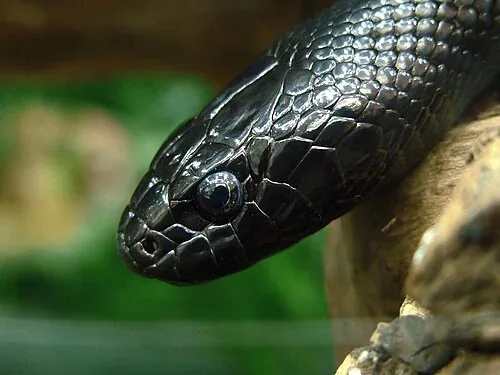
We use Lampropeltis nigrita, the name currently accepted by the Reptile Database. Sellers and older guides may say L. getula nigrita or L. californiae nigrita. Keep those labels in the animal’s record without treating them as different care requirements by themselves. Choose a feeding-established captive-bred individual, and expect a curious snake with a strong prey response rather than guaranteed docility.
Space, shelter and security
The RSPCA’s general kingsnake rule gives a 150 × 50 × 50 cm planning example for a 150 cm snake. Provide more usable width and height where possible; larger individuals require larger housing. Keep this species alone. Offer several hides and supported climbing features, and inspect the enclosure after cleaning: a branch should never interfere with a closing door or let the snake reach an unguarded lamp.
Provide local warmth and cooler retreats
The Bio Dude suggests an 85–90°F (about 29–32°C) basking area. Reptiles and Research describes daytime air around 21–26°C and observes its animals seeking cool shelter as air becomes warmer. These describe different measurements. Supply a regulated local basking area while preserving cooler air and hides. Log both locations. Do not apply a desert weather maximum to the entire enclosure.
Humidity and UVB
Reptiles and Research uses 30–50% average humidity with a humid hide. Measure the enclosure pattern and keep the retreat clean; do not dry everything merely because the snake comes from a semi-arid region. Provide daytime UVB over part of the enclosure with complete shade elsewhere. Use the chosen fixture’s installation guidance and reassess clearance whenever branches or substrate depth change.
Feeding and routine
Feed thawed whole rodents sized for the individual, using tongs instead of fingers. Keep a record of prey size, interval and body weight. An eager feeding response does not measure body condition. Wait at least 48 hours after a meal before optional handling, and let a new arrival establish a feeding routine first. Daily checks should include water, escaped or shifted furnishings, door security and the actual cool-end temperature.
Commitment and cost choices
The species guide gives a 20-plus-year commitment. Price the adult enclosure, instrumentation and replacement lighting before paying a premium for appearance. Our standard tier means conventional equipment, not negligible expense. Add a veterinary reserve and written care instructions for absences. A planted enclosure is optional; stable temperatures, clean retreats and a secure home are immediate requirements.
Photograph the dark body clearly
Photographs of a dark snake can hide body contours and merge the animal with dark furnishings. Choose consistent indirect light and a background that shows the outline when taking occasional condition photographs. Keep the animal supported and do not extend a handling session to obtain a perfect image.
Pair photographs with comparable weights and meal history rather than judging health from gloss alone. Include the date and any enclosure change. For a public journal, separate portrait images from practical views showing available cover, water access and climbing routes. The latter help another keeper understand the habitat, even when the snake chooses to remain concealed.
Keep digging opportunities compatible with maintenance
Chicago Exotics describes Mexican black kingsnakes as opportunistic burrowers and capable swimmers. A practical enclosure should therefore be reviewed at ground level as well as from the front: check whether loose bedding can undermine water bowls or collect against the doors.
Draw the support positions and take a photograph before filling the enclosure. During cleaning, return heavy furnishings to those supports rather than placing them on newly piled bedding. Make the humid refuge accessible without disturbing every other hiding place. Record recurring spills or inaccessible corners in the project journal and revise the layout if ordinary care becomes awkward. Keep furnishings accessible for inspection.
References: Chicago Exotics Animal Hospital — Mexican black kingsnake behaviour
Write a feeding handoff that prevents accidental duplication
Put the accepted prey and last successful meal on the keeper sheet, with a separate field for the next planned review. Show the carer how to log refusal without resetting the history as though food had been eaten. Label stored prey clearly if several reptiles use different sizes.
Keep feeding equipment distinct from the tools used for water and substrate service. Before handing over care, walk through closing and checking the enclosure while it is empty. Include who can assess a persistent appetite or condition change. The carer needs a dependable sequence to follow and should not offer an extra meal simply because the snake responds eagerly at the door.
Sources & further reading
Read the full recommendations and check details for your animal, equipment, and local conditions.
- Reptile Database — current scientific name
- The Bio Dude — species-specific care and lifespan
- Reptiles and Research — observed microclimate use
- RSPCA — length-based kingsnake housing
- Chicago Exotics Animal Hospital — Mexican black kingsnake behaviour
Compiled September 2026. Original summaries; not individually reviewed by a veterinarian.