Independent species review: pending. Source-check date: 2026-09-05.
Report a care correction · Offer a species reviewArticle changes
- 2026-09-05 · Added a scoped introductory guide with sources, commitment and ownership planning.
- 2026-09-05 · Aligned the displayed experience level with the finder’s classification.
- 2026-09-08 · Expanded practical preparation, maintenance and observation sections, with scoped sources where applicable. This update checks the new material; independent species review remains pending.
At a glance
- Scope
- Morelia spilota complex; identify lineage before choosing climate settings. ↗
- Housing
- Individual adult size and lineage assessment required. ↗
Planning references apply only to the species and life stage described. They do not certify an enclosure, temperament or veterinary fitness.
Use this guide as a starting point alongside the detailed sources below. Health concerns, unexplained changes in behavior, or feeding problems belong with a reptile veterinarian.
Identify the animal before planning
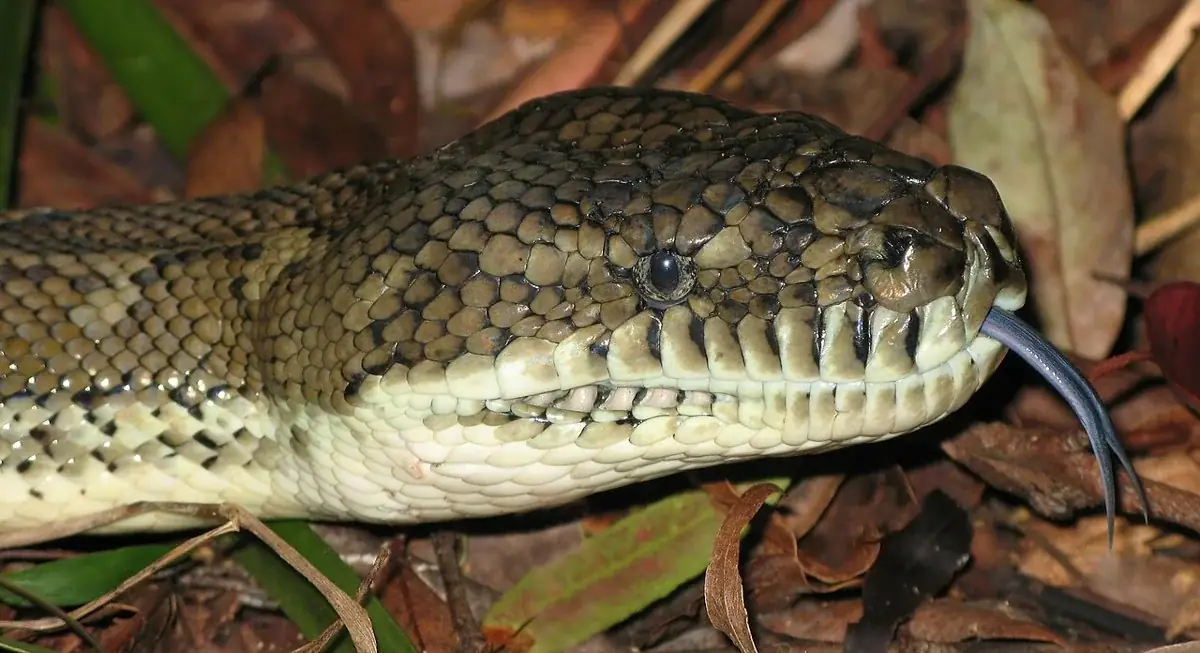
Carpet python is a broad keeper label. Jungle, coastal, inland and diamond animals do not come from identical climates. Record the seller’s scientific identification, locality and known parentage. The Australian Museum describes diamond pythons from coastal New South Wales; that locality information matters more than choosing a care plan by colour. This introductory page covers the Morelia spilota complex, not a validated plan for every lineage or hybrid.
An adult home with usable height
Plan around the likely adult length and allow the snake to extend fully. Provide strong climbing routes, concealed resting places and access to the floor. Check branch anchors against the adult’s weight, not the hatchling’s. ReptiFiles specifically recommends asking about parental size. Measure the room, door access and servicing reach before ordering a large enclosure; the finder deliberately leaves this group for individual assessment.
Match the climate to the lineage
Commission a locality-specific heat and seasonal plan with an experienced keeper or reptile vet. Do not apply a tropical carpet schedule to a diamond python by default. Fit thermostatic control and independent probes where the snake rests. Record the lamp model, closest reachable distance and mesh barrier; UVB output depends on the finished installation. Keep sheltered routes out of the illuminated area.
Water, meals and observation
Provide drinking water and monitor the humidity where the animal actually spends time. Keep moist refuges separate from persistently wet bedding. Offer appropriately sized, thawed whole prey and track body condition with repeatable weights. A climbing snake can disappear into its furnishing: include a quiet daily visual check without dismantling all its cover. Photograph perch use occasionally to see whether your layout offers real choices.
A long commitment
ReptiFiles gives a possible lifespan of 20–30 years or more. Our budget classification is substantial: adult construction, durable climbing supports, heating a large volume, replacement lamps and veterinary transport all need planning. Put the expected enclosure upgrade beside your animal’s growth record. Arrange a capable holiday carer before travel; familiarity with a small pet snake does not establish competence with your adult carpet.
Avoid the easy assumptions
Do not treat a calm individual as permission for unsupervised handling by children or allow it around a person’s neck. Also avoid assuming that daytime inactivity means the snake never uses height. The Museum describes diamond pythons as nocturnal; a daytime photograph is only a moment in its routine.
Draw the routes the snake can actually use
The Sydney Exotics veterinary sheet includes branches, bathing water and covered retreat as basic resources. Translate those resources into a route drawing before buying decorative wood: show how the snake gets between warm shelter, cooler shelter, water and elevated rest while remaining partly concealed.
For a carpet python, mark the location of each removable support and where your hands would go to service it. Keep a photograph of the finished arrangement in the animal's enclosure record. When a favourite branch is replaced, compare the route and available cover, not just the branch's appearance. Record the change so a later feeding or activity shift has useful context.
References: Sydney Exotics and Rabbit Vets — carpet and diamond python care
Plan the first adult enclosure upgrade
Create an upgrade card containing current snake length, the expected adult range supplied by the breeder, doorway measurements and the space already reserved in your home. For a semi-arboreal adult, also list branch materials, anchor access and how a full water bowl will pass through the service door.
Set a review date while the existing enclosure still provides comfortable movement. Obtain help with the final structural design before commissioning a custom enclosure. A useful project journal records which parts can be reused, which require replacing, and who can help move the finished habitat. Use these details to plan the purchase and installation of the larger enclosure.
Keep seasonal advice attached to its exact animal
Put diamond, jungle, coastal or other documented identity at the top of every saved climate note. Copy the source title and the measurement locations along with the recommendation, and distinguish ordinary maintenance from a breeder's seasonal reproduction program. Leave missing locality information visibly unresolved.
For a holiday handover, provide the current agreed routine rather than several contradictory printouts. Record which readings the carer should check and the person to contact before changing equipment. If the home's summer temperature makes the documented cooler retreat unavailable, address the room and enclosure design before arrival; adding a second heater cannot solve a lost cool zone.
Sources & further reading
Read the full recommendations and check details for your animal, equipment, and local conditions.
- ReptiFiles — carpet python housing and care
- Australian Museum — diamond python locality and behaviour
- Sydney Exotics and Rabbit Vets — carpet and diamond python care
Compiled September 2026. Original summaries; not individually reviewed by a veterinarian.